
Foods Associated With Cognitive Performance
No single food makes you smarter, but eating patterns clearly matter to the brain. A dietitian sorts evidence from hype.
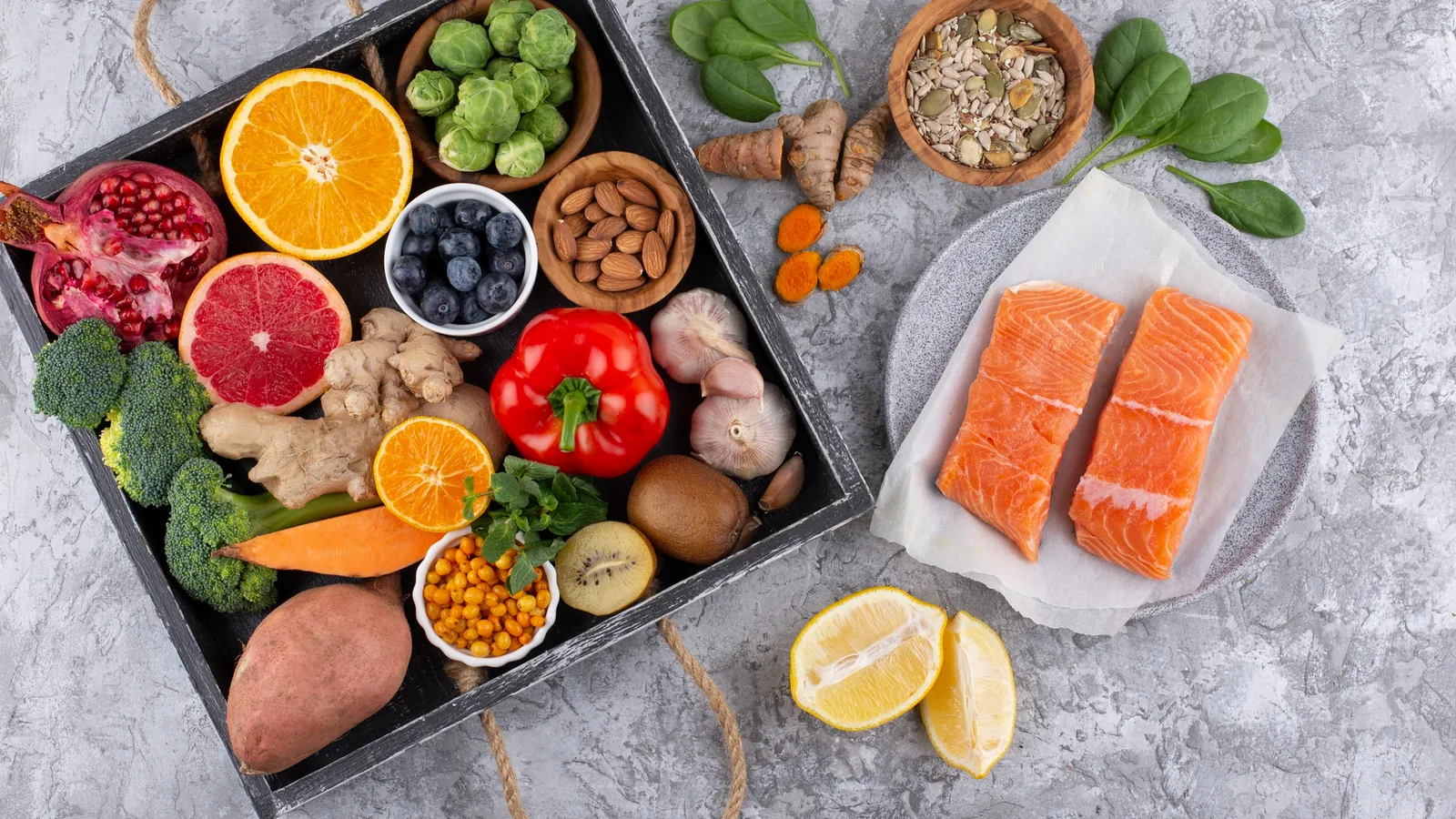
The phrase "brain food" sells a lot of blueberries, and as a dietitian I have mixed feelings about that. The good news: diet genuinely matters to cognition, both today and across decades. The complication: the evidence supports eating patterns far more than it supports any miracle ingredient. Here's the honest map.
The pattern with the best evidence
Large observational cohorts repeatedly link Mediterranean-style eating, vegetables, legumes, whole grains, fish, olive oil, nuts, with slower cognitive aging. The MIND diet, a hybrid designed specifically around brain outcomes, has been associated in cohort research with substantially lower rates of cognitive decline, even with moderate adherence. These are associations, not guarantees, but they are consistent, biologically plausible, and reinforced by what we know about vascular health: what's good for blood vessels is good for the brain they irrigate.
The recurring cast of foods
Fatty fish (salmon, sardines, mackerel) supplies DHA, an omega-3 that is structurally part of brain tissue; fish-eaters consistently show better cognitive trajectories. Berries bring anthocyanins, with modest trial evidence on memory measures. Leafy greens, about a serving a day, tracked with notably slower decline in cohort work. Nuts and olive oil round out the list, plausibly through vascular and anti-inflammatory routes. Notice what this is: groceries, not powders.
Today's lunch, today's focus
Food affects cognition on a same-day timescale too. The brain prefers steady fuel, and refined-carbohydrate spikes followed by glucose dips show up in attention and mood testing, the 3 p.m. fog after the white-bread lunch is measurable, not imagined. Meals anchored by protein, fiber, and fat hold focus steadier. Caffeine, for most adults, delivers genuine and dose-dependent alertness benefits (keep it earlier in the day), and even mild dehydration degrades concentration, the cheapest cognitive enhancer is a glass of water.
Bottom line
Skip the single-food magic. Build most meals from the Mediterranean/MIND template, keep blood sugar boring, drink water, enjoy your coffee, and let three decades of compounding do what no supplement has yet proven it can.
Sources
- MIND Diet (National Institute on Aging)
- Omega-3 Fatty Acids, Fact Sheet (NIH ODS)
This article is for informational purposes only and is not a substitute for professional medical advice, diagnosis, or treatment. Always seek the advice of your physician or another qualified health provider with any questions you may have. Read our full medical disclaimer.
Comments (0)
- Be the first to comment.