Morning Light: The Free Wellness Tool Everyone Skips
Ten minutes of outdoor light after waking does more for sleep, mood, and energy than most paid wellness products. The science of morning light and how to actually get it.

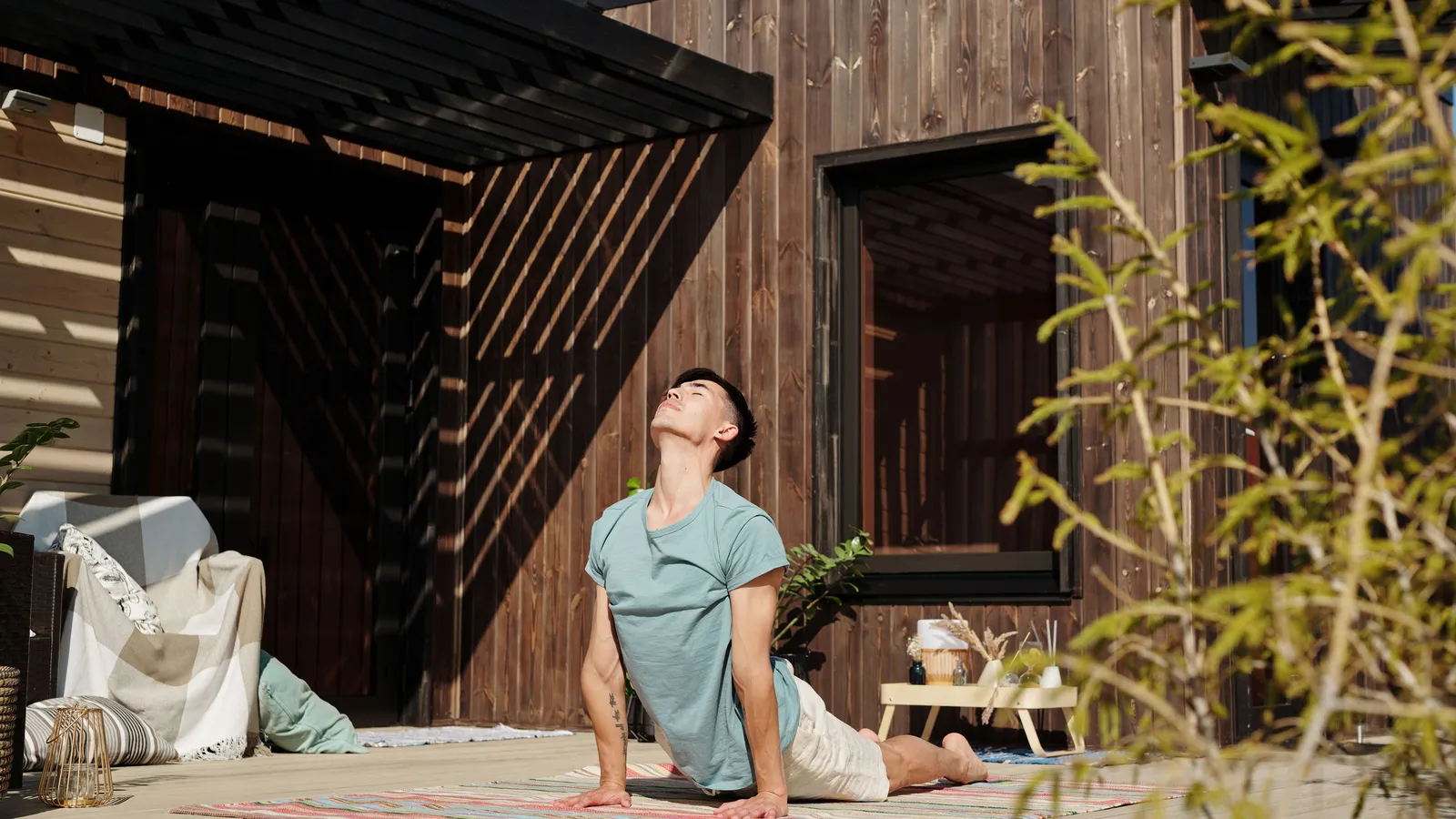
The wellness industry will sell you red light panels, sunrise alarms, mood gummies, and cortisol-balancing programs. Meanwhile, the most evidence-backed light intervention available costs nothing, takes ten minutes, and is skipped by almost everyone: stepping outside in the morning.
Why the clock cares about morning
Buried in the hypothalamus, the body's master clock coordinates hormone release, body temperature, digestion, and alertness on a roughly 24-hour cycle. The clock runs slightly long by default and needs daily resetting, and its dominant reset signal is light hitting specialized retinal cells, which respond most powerfully in the hours after waking. Morning light effectively tells the entire system: the day has begun, set the timers. The downstream effects are not subtle: melatonin shuts down crisply (less grogginess), the alerting cascade gets its cue (better mornings), and, crucially, the evening melatonin release gets scheduled, which is why morning light improves the following night's sleep.
Why indoors does not cut it
Human eyes adapt so smoothly that we badly misjudge light levels. A bright office runs around 300 to 500 lux. An overcast day outdoors delivers several thousand. Direct morning daylight reaches tens of thousands. The circadian system keys on these magnitudes, and windows make things worse than people assume, filtering a substantial share of the signal. The conclusion is inconvenient and liberating: there is no indoor substitute for opening the door, but the outdoor dose is small.
The dose and the practice
- Timing: within the first hour of waking, the earlier the better.
- Duration: ten minutes on bright days, closer to twenty when overcast.
- Method: no staring at the sun, no special posture. Being outside, facing the bright sky, is the whole technique. Sunglasses off if comfortable, since the signal enters through the eyes.
- Stacking: the habit survives by piggybacking: coffee on the doorstep, the dog's walk, parking farther away, breakfast on the balcony, the first phone call taken walking.
Mood, seasons, and the light box caveat
Light's effect on mood is established enough that bright light therapy is standard care for seasonal mood dips, typically via 10,000 lux boxes used 20 to 30 minutes after waking. Real morning daylight delivers the same class of signal for free most of the year. In genuinely dark winters at high latitudes, the box becomes the practical substitute, used in the same morning window. People with bipolar disorder or eye conditions should loop in their clinician before structured light therapy.
The other half of the protocol
Light hygiene has a morning half and an evening half, and they reinforce each other: bright days, dim nights. The same eyes that need brightness at 8 a.m. need its absence at 10 p.m., when overhead lighting and close-range screens delay the melatonin the morning light scheduled. The complete, still-free protocol: outside within an hour of waking, lamps instead of ceiling lights after sunset, and a consistent wake time holding the whole rhythm steady.
The bottom line
Before buying anything for energy, sleep, or mood, run the free experiment: ten to twenty minutes outside every morning for two weeks, paired with dimmer evenings. The mechanism is textbook physiology, the cost is zero, and the most common report is the one wellness products promise and rarely deliver: better mornings, steadier days, easier nights.
Frequently asked questions
- Does sitting by a window count?
- Partially at best. Glass blocks a meaningful share of the relevant light, and indoor positioning cuts intensity dramatically. Stepping outside, even onto a balcony or doorstep, delivers several times the dose in the same minutes.
- What about cloudy days and winter?
- Overcast daylight still vastly outshines indoor lighting, so the walk still works. In dark winters, a 10,000 lux light box used for 20 to 30 minutes after waking is the standard evidence-backed substitute.
- Can morning light help me stop feeling groggy?
- It is one of the best tools for it. Light suppresses lingering melatonin and signals the cortisol awakening response, which together shorten the groggy transition. Combined with a consistent wake time, most people notice clearer mornings within a week or two.
Sources
- Healthy Sleep (National Heart, Lung, and Blood Institute)
- How Sleep Works: Circadian Rhythm (Sleep Foundation)
- About Sleep (Centers for Disease Control and Prevention)
This article is for informational purposes only and is not a substitute for professional medical advice, diagnosis, or treatment. Always seek the advice of your physician or another qualified health provider with any questions you may have. Read our full medical disclaimer.
Comments (0)
- Be the first to comment.