How Much Protein Do You Really Need Per Day? A Dietitian Explains
Forget the bro-science, here's your real daily protein target by age, weight, and activity level.
The RDA is a floor, not a target
The official RDA of 0.8 g/kg of body weight was set to prevent deficiency, not to optimize muscle, satiety, or healthy aging. Most research supports higher intakes for active adults.
Targets by goal
For general health: 1.2–1.6 g/kg. For building muscle: 1.6–2.2 g/kg spread across 3–4 meals. For adults over 60: at least 1.2 g/kg, because aging muscle responds less efficiently to protein.
What that looks like on a plate
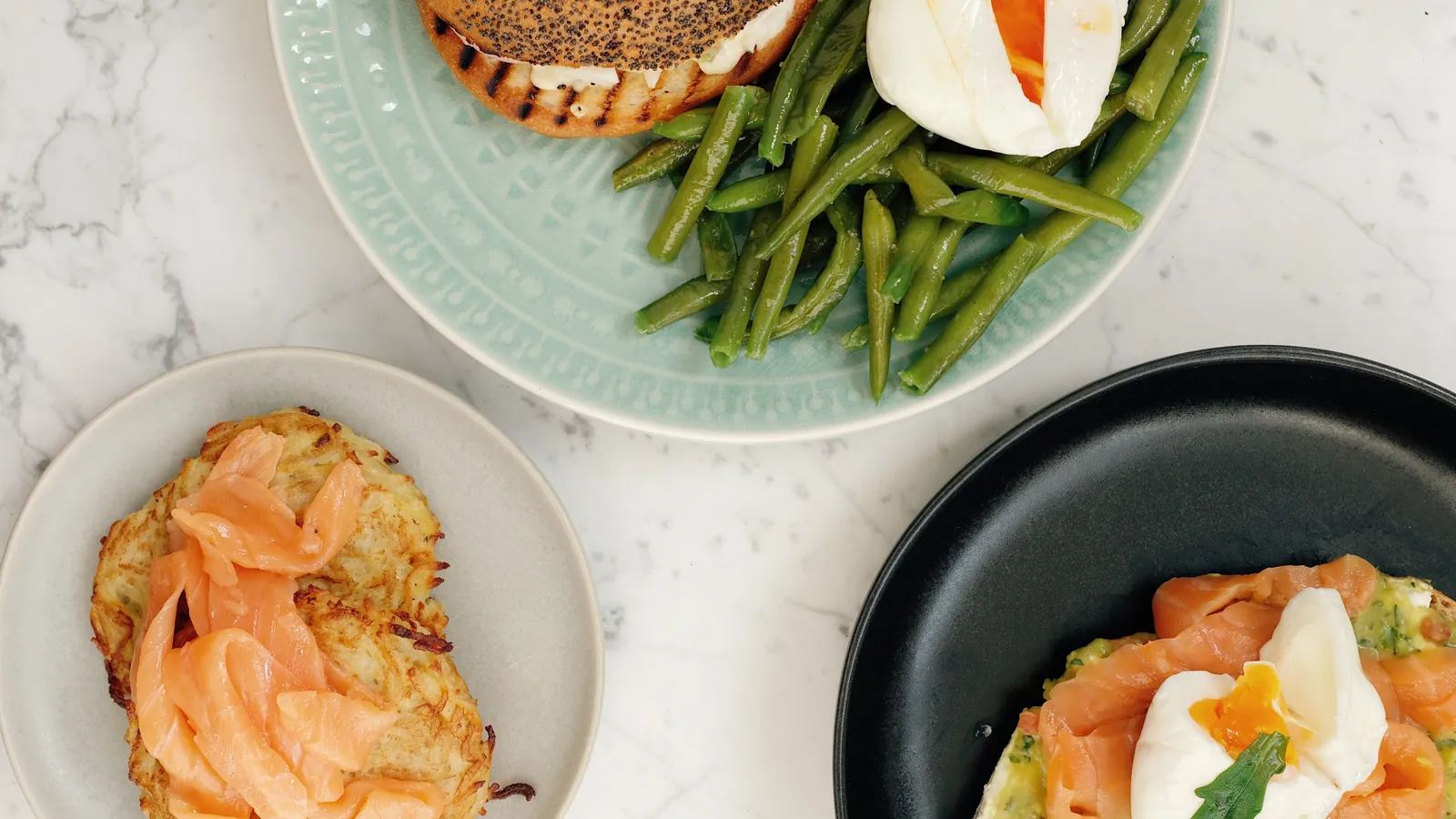
A 170 lb (77 kg) adult aiming for 1.6 g/kg needs about 123 g daily, roughly: Greek yogurt with berries (20 g), chicken salad (40 g), cottage cheese snack (14 g), salmon with quinoa (45 g).
Frequently asked questions
- Can you eat too much protein?
- For healthy kidneys, intakes up to 2.2 g/kg appear safe in research. People with kidney disease should follow their physician's guidance.
Sources
- Protein intake and muscle mass in older adults (American Journal of Clinical Nutrition)
- A systematic review of dietary protein during caloric restriction (Sports Medicine)
This article is for informational purposes only and is not a substitute for professional medical advice, diagnosis, or treatment. Always seek the advice of your physician or another qualified health provider with any questions you may have. Read our full medical disclaimer.
Comments (1)
Chris L.
Helpful breakdown, the per-meal distribution part was new to me.