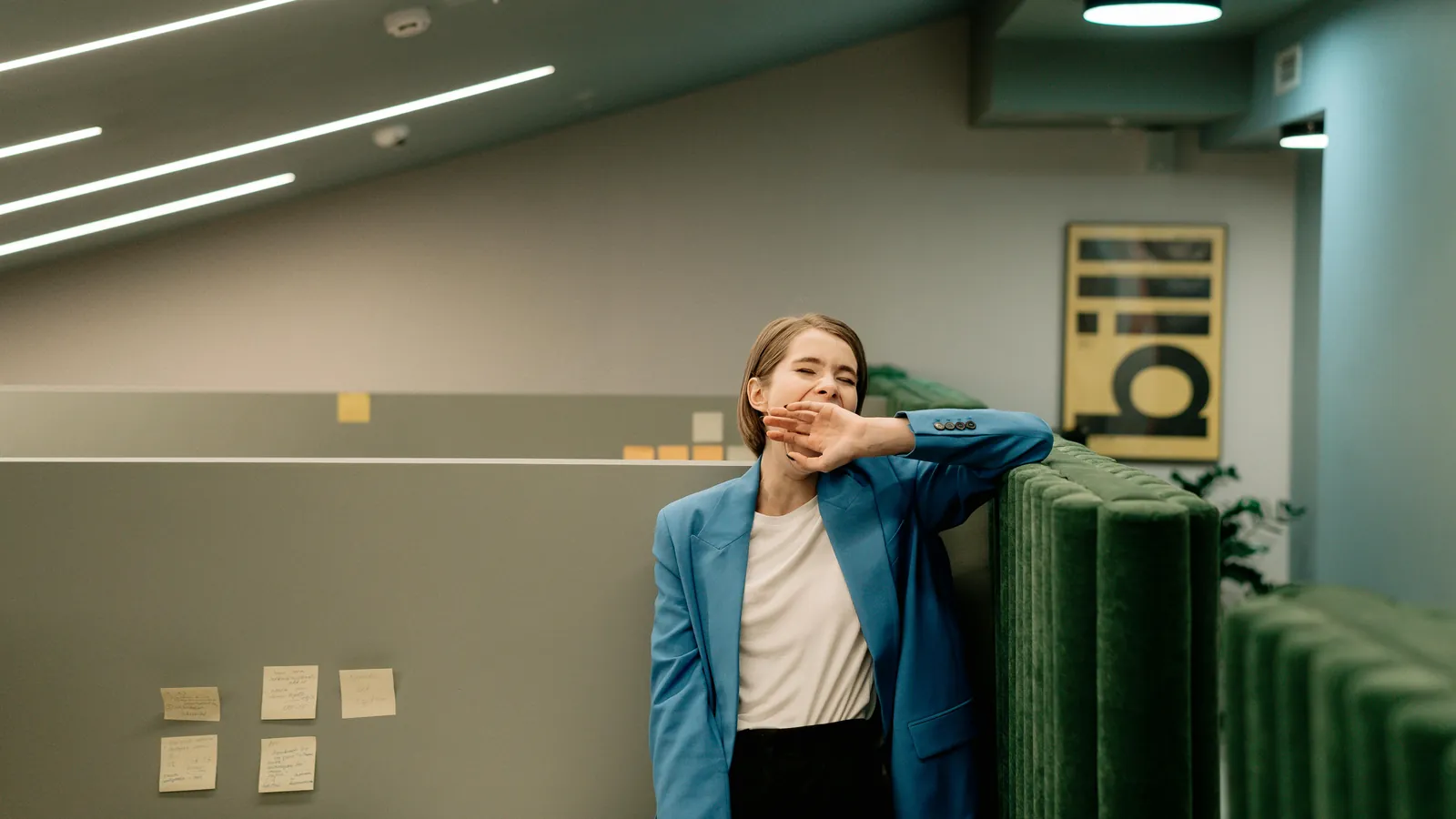
How Modern Life Impacts Daily Energy
Always-on schedules, screens, and skipped meals quietly reshape how energized you feel. Here is what the research says about the biggest modern energy drains, and what actually helps.

Ask people a century ago what made them tired and the answer was simple: physical work. Ask today and the answers get fuzzy. We sit most of the day, sleep with phones within reach, eat lunch over keyboards, and still end most evenings feeling drained. That mismatch is not a personal failing. It is the predictable result of routines that quietly work against human biology.
This article walks through the five modern habits with the strongest evidence behind them as energy drains, and the specific, realistic adjustments that restore steady stamina.
1. Irregular sleep timing beats short sleep as a problem
Most energy advice starts with sleep duration, but consistency matters at least as much. Your circadian system calibrates hormone release, body temperature, and alertness around your usual wake time. When that time swings by two or three hours between weekdays and weekends, researchers call the result social jet lag: your body is effectively living in a different time zone every Monday.
The practical fix is unglamorous but powerful: pick a wake time you can hold seven days a week, within about an hour, and protect it. Morning light exposure within the first hour of waking helps anchor the rhythm further.
2. Sitting is not rest
It feels intuitive that sitting conserves energy, but the body reads long sedentary stretches as a signal to power down. Circulation slows, large muscle groups disengage, and alertness drops with them. Studies of office workers consistently find that brief movement breaks, even five to ten minutes of easy walking every hour, reduce self-reported fatigue without hurting productivity.
You do not need a fitness program to benefit. Stand during calls, take the long route to refill water, or step outside between meetings. The World Health Organization recommends at least 150 minutes of moderate activity per week, and spreading it across the day appears to help energy more than cramming it into one session.
3. The attention economy taxes your battery
Every notification pulls your focus, and refocusing has a cost. Psychologists call the leftover distraction attention residue: part of your mind stays with the interrupted task. Across dozens of daily interruptions, that residue accumulates into something that feels physically like fatigue by mid-afternoon.
- Batch notifications: check messages at set times instead of on arrival.
- Use single-tasking blocks of 45 to 90 minutes for demanding work.
- Keep the phone out of arm's reach during those blocks. Physical distance works better than willpower.
4. Erratic eating creates erratic energy
Skipped breakfasts, vending-machine lunches, and oversized late dinners produce a blood sugar rollercoaster that maps neatly onto the afternoon crash so many people accept as normal. The pattern matters more than any single food: long gaps followed by large, refined-carbohydrate meals produce the sharpest spikes and dips.
Aim for meals at roughly consistent times, each anchored by protein and fiber. A lunch built around protein, vegetables, and whole grains digests slowly enough to carry you to dinner without the 3 p.m. slump.
5. Evenings that never wind down
The modern evening often runs work email into streaming into doomscrolling, right up to the moment the light goes off. The brain needs a descent ramp. Late stimulation, whether stressful or merely engaging, delays melatonin and fragments the first hours of sleep, which are disproportionately important for feeling restored.
A 30 to 60 minute wind-down with dim light and low-stakes activities is one of the highest-yield energy habits available. It costs nothing and pays back the next entire day.
The bottom line
Modern life drains energy through a thousand small defaults: inconsistent sleep, long sitting, constant pings, chaotic meals, and stimulating evenings. None of them requires a dramatic intervention. Pick the one that describes your day best, fix it for two weeks, and let the result convince you to tackle the next. If solid habits do not move the needle within a month, bring it up with your doctor, because persistent unexplained fatigue deserves a proper workup.
Frequently asked questions
- Why am I tired even though I did nothing physical all day?
- Mental load, decision-making, and screen time consume real energy. Sitting still also slows circulation and reduces oxygen delivery, so an inactive day often feels more draining than an active one.
- Does blue light really affect energy?
- Evening light exposure, including from screens, can delay melatonin release and push your sleep later. The bigger issue is usually the late, stimulating content rather than the light alone, but both shift your rhythm.
- When is fatigue a medical issue?
- If you sleep 7 to 9 hours consistently, move daily, eat regularly, and still feel exhausted for more than a few weeks, talk to a clinician. Anemia, thyroid issues, sleep apnea, and depression are common, treatable causes.
Sources
- Healthy Sleep (National Heart, Lung, and Blood Institute)
- Physical Activity (World Health Organization)
- About Sleep (Centers for Disease Control and Prevention)
This article is for informational purposes only and is not a substitute for professional medical advice, diagnosis, or treatment. Always seek the advice of your physician or another qualified health provider with any questions you may have. Read our full medical disclaimer.
Comments (0)
- Be the first to comment.