The Afternoon Walk: An Underrated Energy Strategy
Ten to twenty minutes of walking in the early afternoon beats coffee for the post-lunch slump in head-to-head studies. The case for the most underrated habit in the workday.
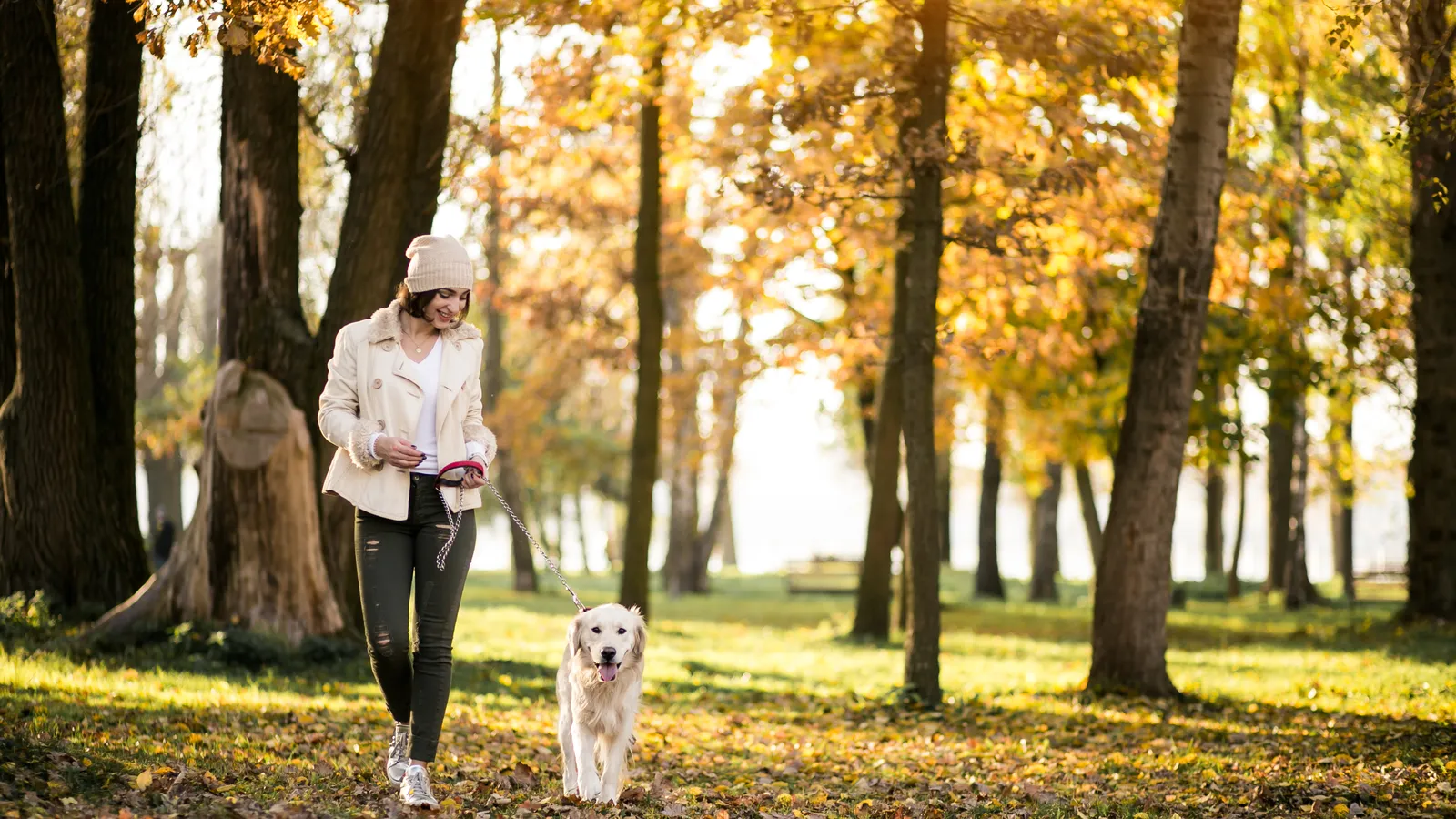
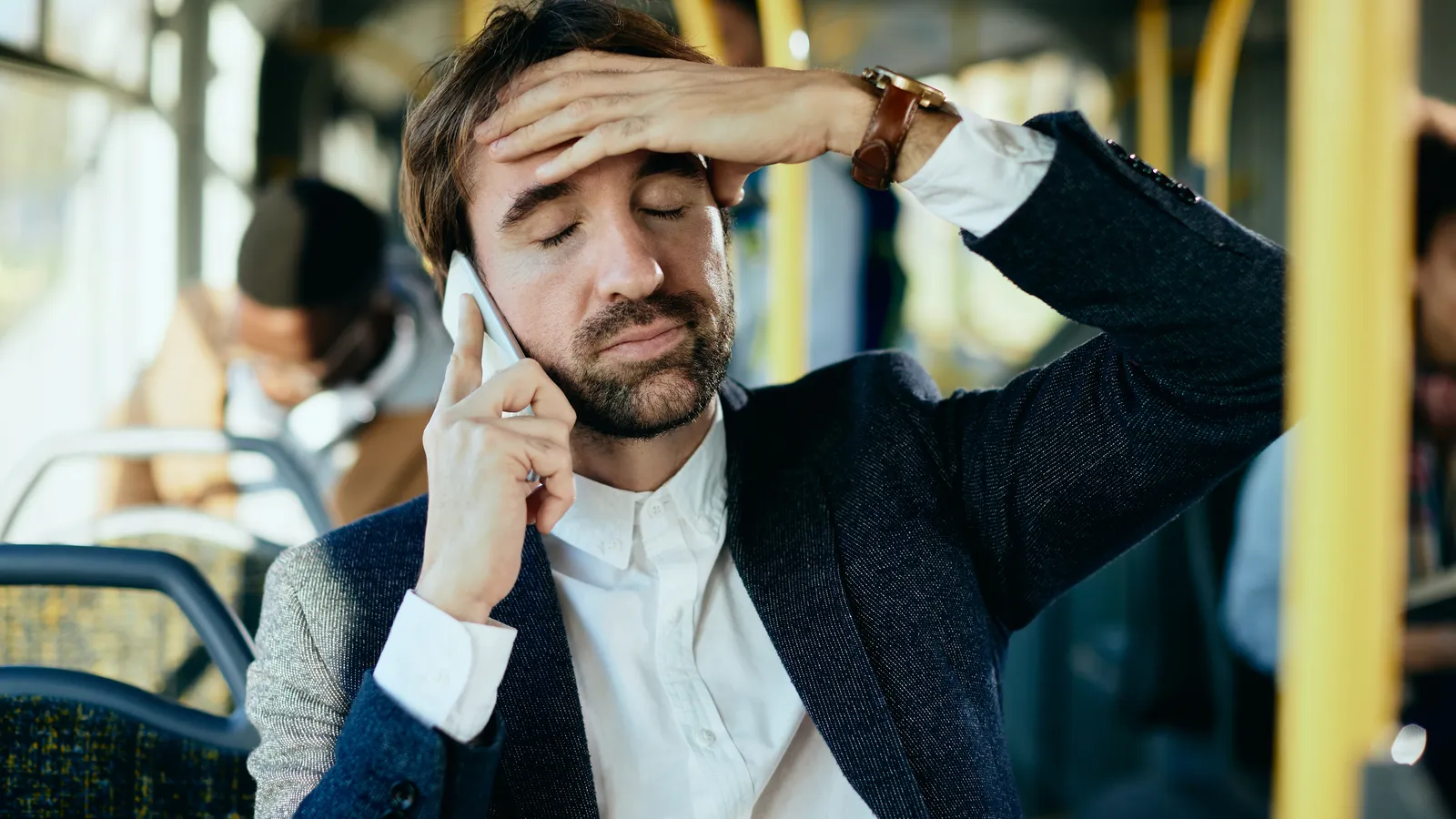
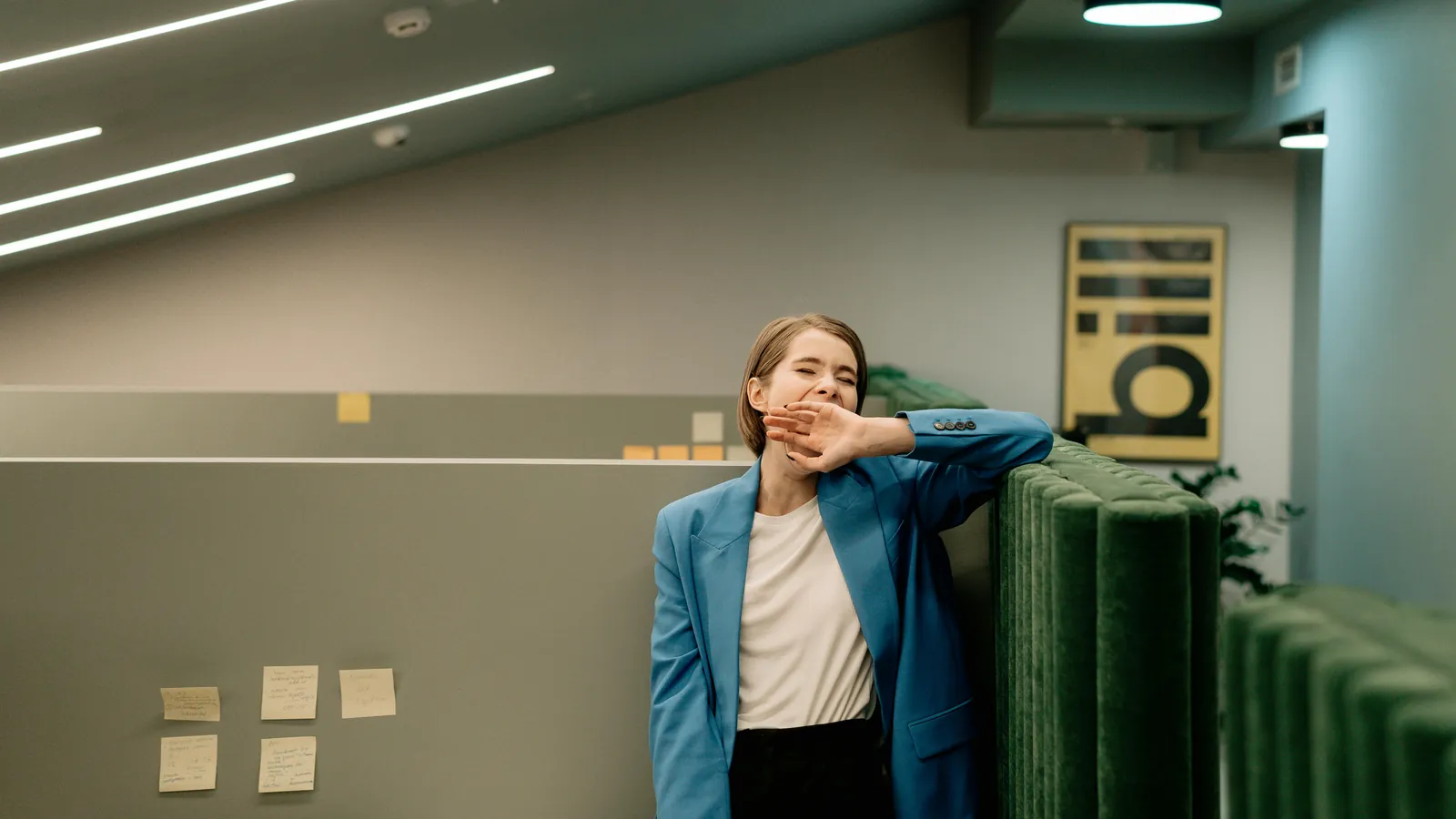
Somewhere between 1 and 3 p.m., productivity quietly dies across the working world. The standard response is caffeine, which works, costs sleep, and builds tolerance. The alternative response has better evidence, zero cost, and no side effects, and almost nobody schedules it: a short walk.
Why the afternoon dips at all
The post-lunch slump is not mainly about lunch. The circadian system produces a genuine alertness trough in early afternoon, a smaller echo of the nighttime low. A heavy, refined-carb lunch deepens it, but even fasting subjects show the dip. That matters because it reframes the problem: you are not fighting digestion, you are fighting a scheduled low in your biology, and movement happens to be one of the most effective counters.
The head-to-head evidence
Several controlled comparisons have put brief walking against caffeine for afternoon energy, including studies using ten minutes of stair climbing versus a moderate caffeine dose in sleep-deprived young adults. The repeated result: walking matches or beats the caffeine on energy and motivation measures. Beyond the head-to-heads, a broad literature ties single bouts of light exercise to improved mood, reduced fatigue, and better attention for one to two hours afterward.
The mechanism stack is plausible: increased circulation and arousal, a break from accumulated attention fatigue, and, if outdoors, daylight hitting circadian and mood pathways. Three interventions disguised as one stroll.
What a useful walk looks like
- Timing: within an hour after lunch, inside the dip rather than after it has flattened your afternoon.
- Duration: ten minutes minimum, twenty as the sweet spot. The first minutes carry the steepest benefit curve.
- Intensity: conversational pace is fine. This is not exercise in the training sense; it is state management.
- Location: outside if at all possible. Daylight, even overcast, runs hundreds of times brighter than office lighting, and green surroundings add measurable attention restoration.
- Phone: pocket, ideally. A walk spent scrolling resigns half the benefit; the attention system needs the break more than your feeds need you.
Making it survive real schedules
The habit dies when it depends on remembering or feeling like it. It survives when it is anchored and defaulted: the walk happens after lunch the way brushing happens after breakfast, calendar-blocked if your job eats unguarded time. Recruiting a colleague converts it into a standing commitment plus social contact, and walking meetings genuinely work for any conversation that does not need a screen: many people find one-on-ones flow better side by side than across a table.
Weather objections deserve honest handling: most days that feel unwalkable are unpleasant for the first ninety seconds. A cheap rain jacket extends the season further than motivation ever will. For the truly hostile days, stairwells and corridors exist, and ten minutes of them still beats the slump.
What it replaces, what it returns
The afternoon walk does not just add energy; it subtracts the costs of its alternatives. The 3 p.m. coffee carries a half-life into your night and shaves sleep depth, which manufactures tomorrow's slump: a subscription model for fatigue. The snack run spikes glucose and invites a second dip an hour later. The walk charges nothing and pays twice: a better afternoon today and, multiplied across a working year, a meaningful contribution to the weekly activity targets that protect long-term health.
The bottom line
For the price of fifteen minutes at lunch, the afternoon walk beats caffeine in trials, restores burned-out attention, banks daylight for your body clock, and counts toward the movement your doctor keeps mentioning. It may be the most leveraged quarter hour in the workday. Schedule it like a meeting, because the alternative attendee is the slump.
Frequently asked questions
- Is walking really better than coffee in the afternoon?
- Studies comparing brief stair walking or regular walking against moderate caffeine doses found walking produced equal or better energy and motivation, without the evening sleep cost a 3 p.m. coffee quietly charges.
- What if I only have ten minutes?
- Take them. Measurable mood and energy benefits show up at ten minutes of ordinary-pace walking. The dose-response curve favors more, but the first ten minutes carry the steepest gains.
- Does it have to be outside?
- No, but outdoors multiplies the return: daylight supports circadian alertness and attention restoration research consistently favors natural settings. A corridor walk still beats sitting; a park walk beats both.
Sources
- Physical Activity Basics (Centers for Disease Control and Prevention)
- Physical Activity (World Health Organization)
- Healthy Living (American Heart Association)
This article is for informational purposes only and is not a substitute for professional medical advice, diagnosis, or treatment. Always seek the advice of your physician or another qualified health provider with any questions you may have. Read our full medical disclaimer.
Comments (0)
- Be the first to comment.