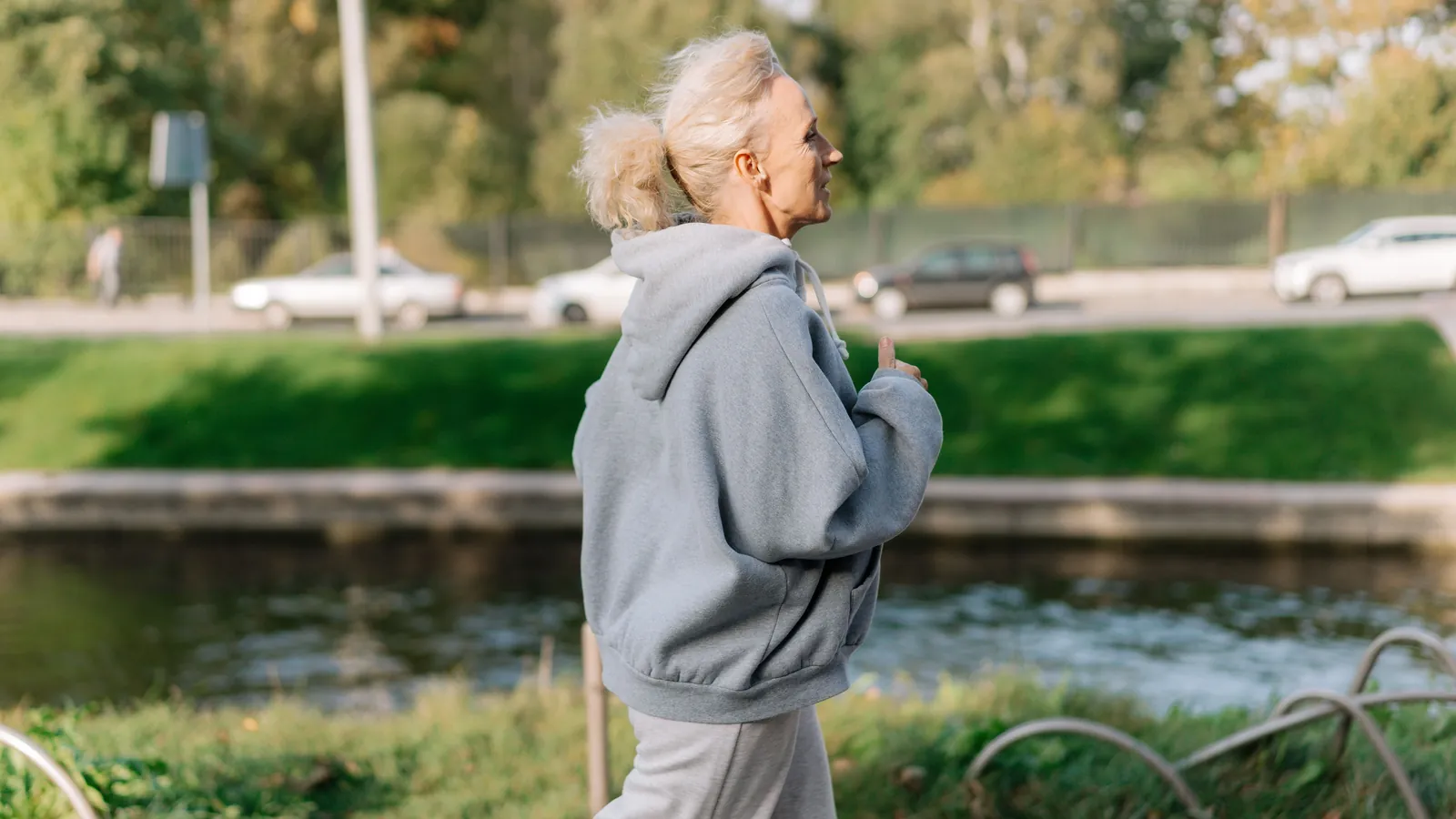
Longevity Trends Experts Are Watching
Beyond the billionaire biohacking headlines, the longevity field is quietly maturing. Researchers point to muscle, social ties, hearing, and metabolic health as the trends that matter.
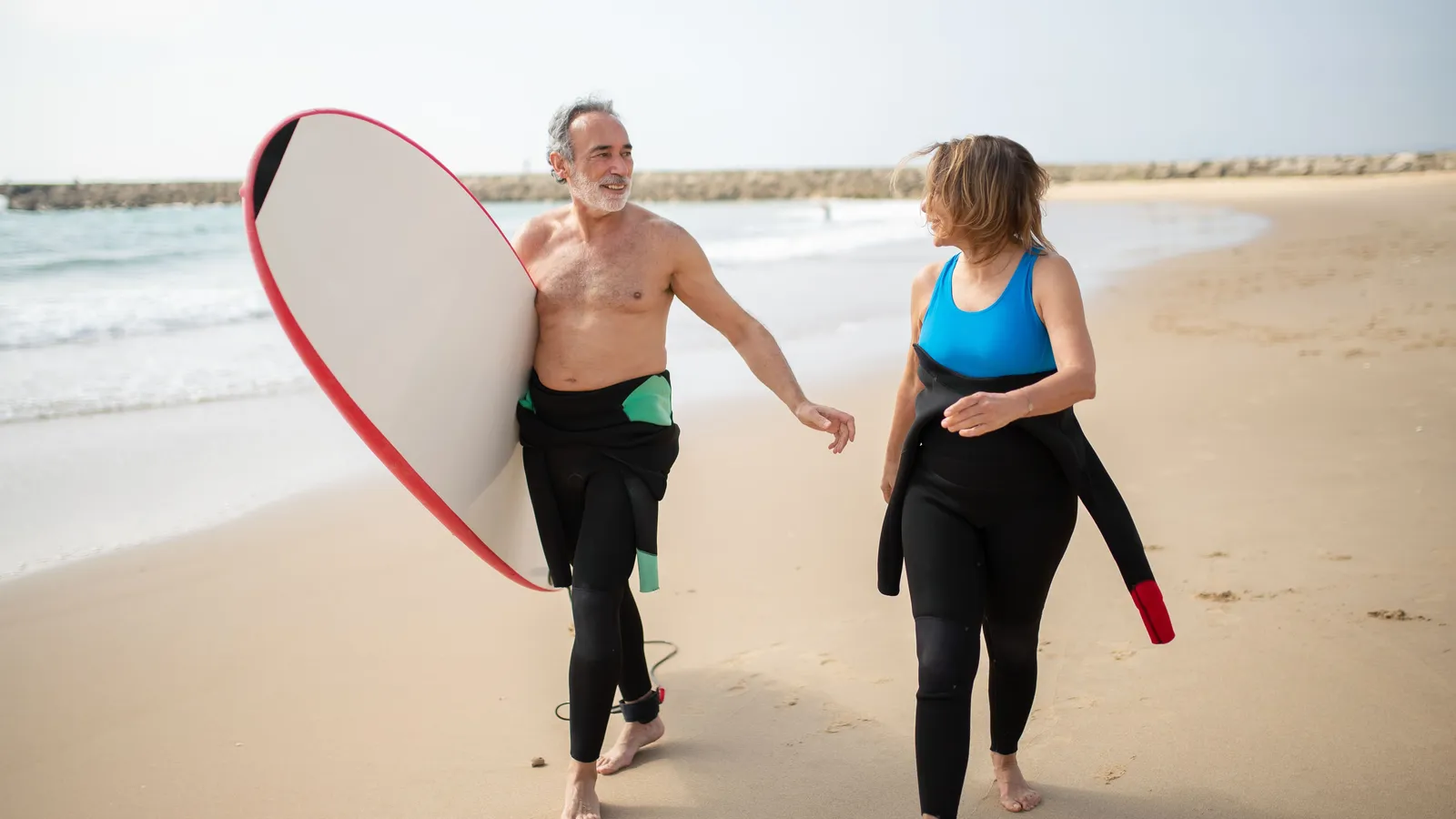
Longevity science has a public relations problem: its loudest representatives are tech executives injecting experimental compounds, while its actual progress happens in unglamorous cohort studies about muscle, hearing aids, and friendship. Strip away the hype cycle and the field is converging on a handful of trends with real evidence and real practicality. Here is what the serious people are watching.
From lifespan to healthspan
The defining shift of the past decade is the target. Maximum lifespan has barely moved, and most researchers doubt it will soon. What is movable is healthspan: the years lived independent, mobile, and cognitively intact. The aim is to compress the period of decline into as short a window as possible, rather than stretching out frailty. Every trend below serves that goal.
Muscle as the retirement account
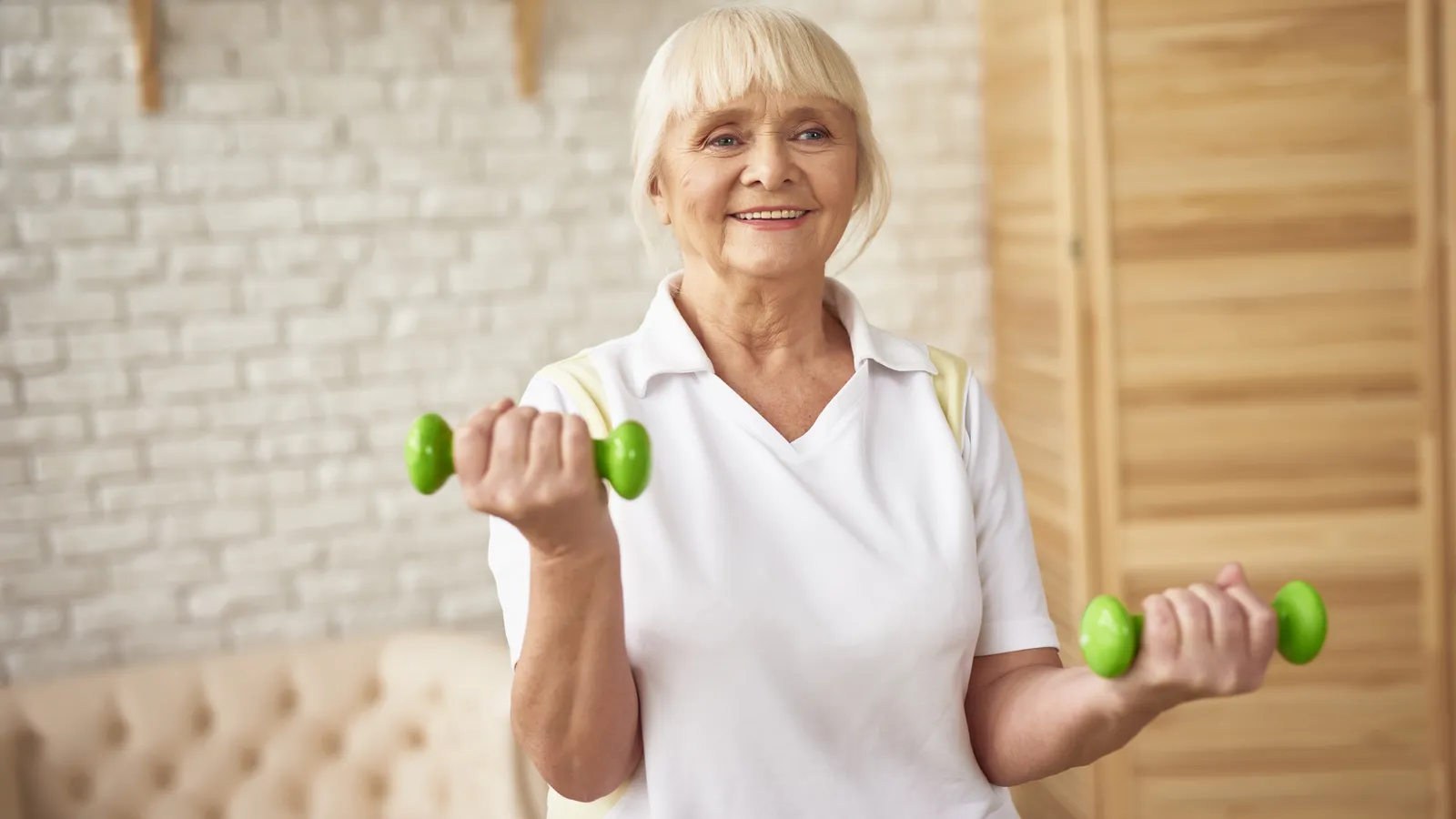
Perhaps the strongest practical finding in aging research: strength in midlife predicts independence in late life. Muscle mass naturally declines a few percent per decade after the thirties, and the slide accelerates after sixty unless resisted, literally. Grip strength alone tracks with future disability and mortality in study after study, mostly as a proxy for total-body strength.
The actionable version: resistance training two or three times weekly, progressing gradually, started at any age. Trials in adults in their seventies and eighties still show meaningful gains. Protein intake supports the work; many older adults under-eat it.
Social connection as a vital sign
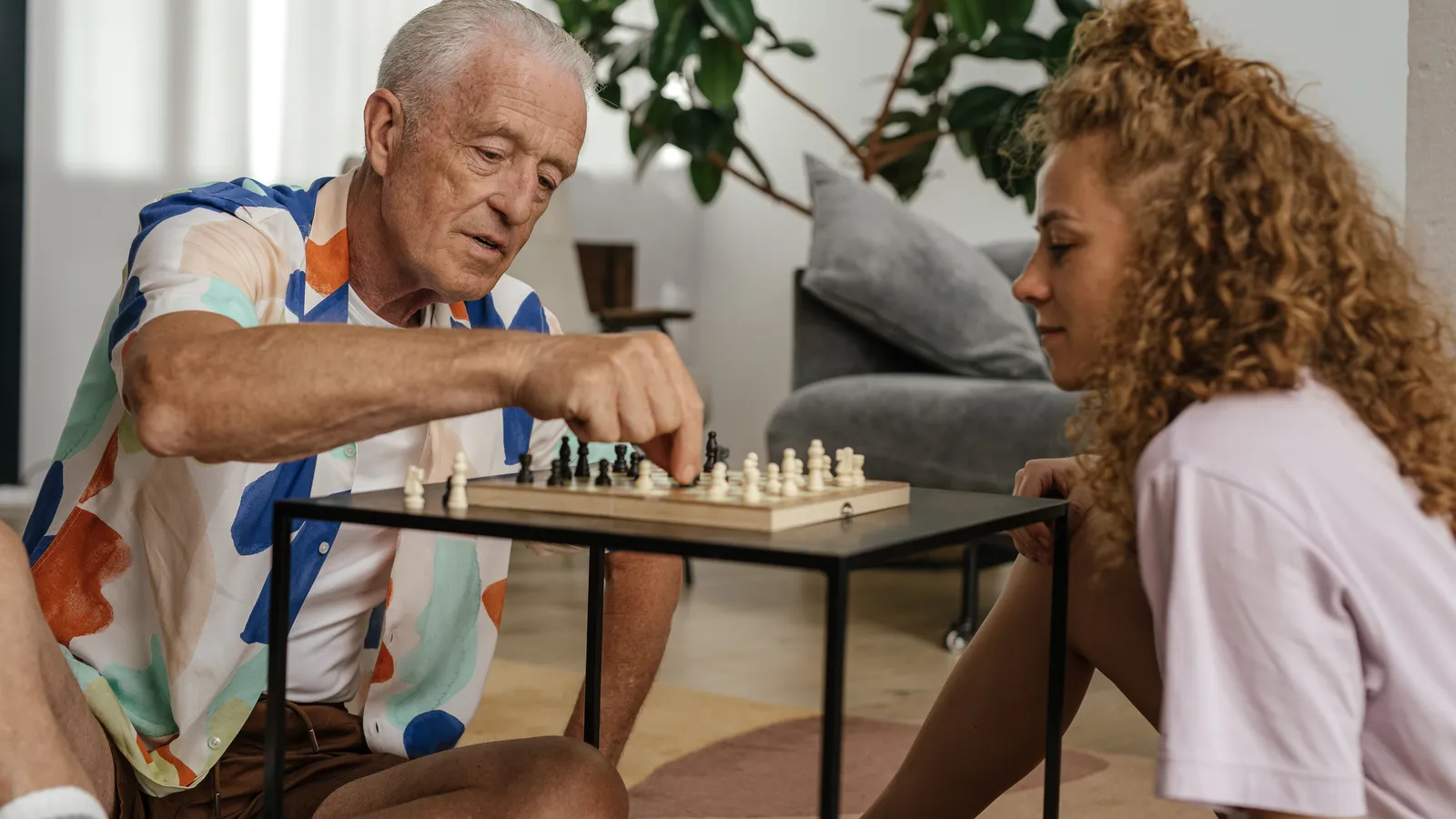
The data on isolation has gotten too strong to ignore: loneliness and weak social ties associate with health risks in the territory of established medical risk factors, and public health bodies now treat connection as a legitimate intervention target. The mechanisms are plausible and multiple: stress physiology, behavior (isolated people move less and skip checkups), and cognitive stimulation.
The trend to watch is prescription-grade socializing: programs that treat group activity, volunteering, and community membership as health infrastructure rather than leisure. On the personal level, the implication is blunt: invest in relationships with the seriousness you invest in cholesterol.
The senses as gateways to the brain
A quiet revolution is happening around hearing and vision. Untreated hearing loss is associated with accelerated cognitive decline, and emerging trial evidence suggests treating it slows that slide in at-risk adults. The proposed mechanisms: hearing loss strains cognitive resources, shrinks social life, and reduces stimulation. Vision care shows similar patterns. Hearing aids and cataract surgery may turn out to be among the most cost-effective brain interventions available.
Metabolic health, measured earlier
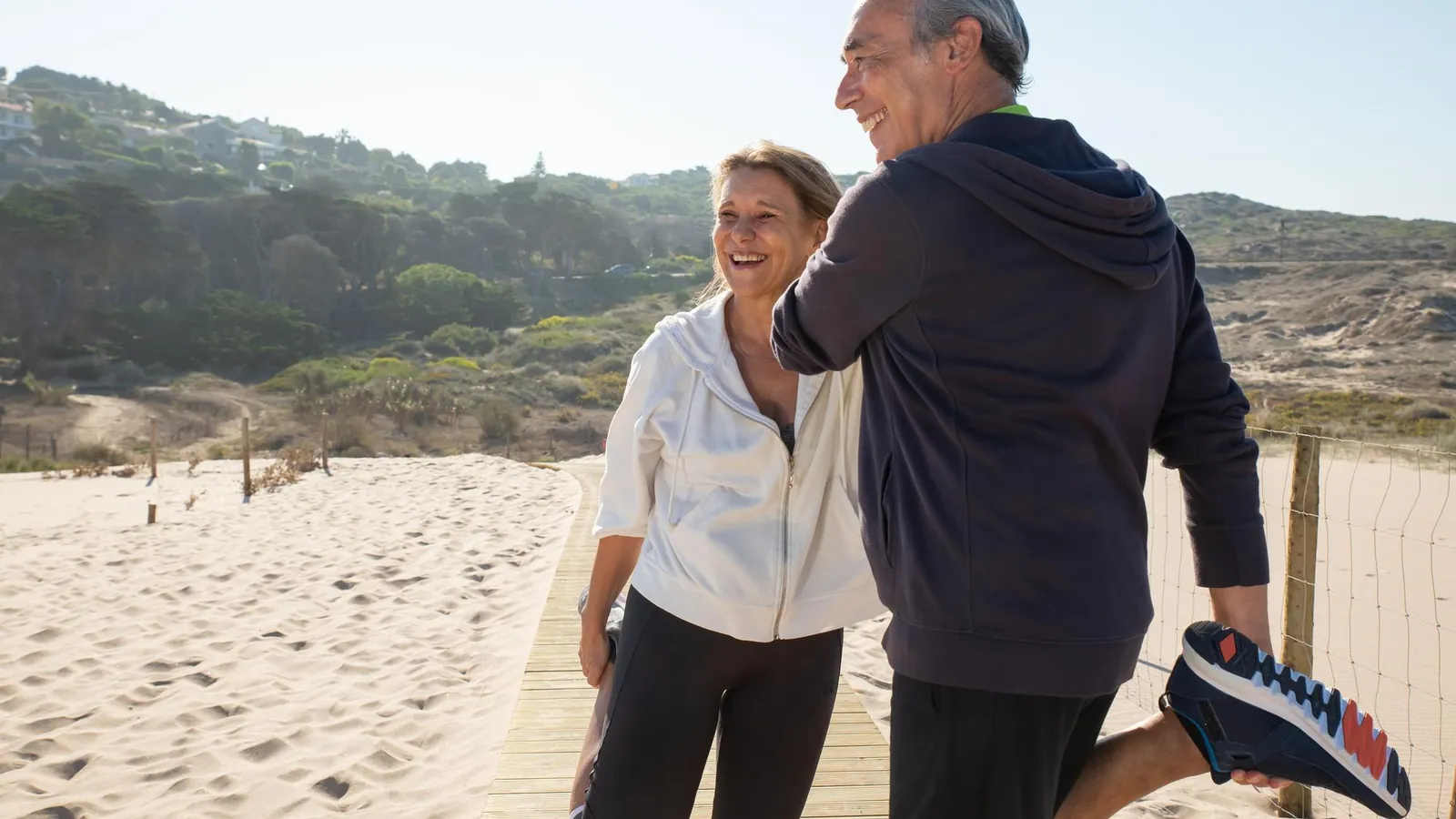
The field increasingly views blood sugar regulation, blood pressure, and lipid profiles as longevity dials rather than disease thresholds. Damage accumulates for decades below diagnostic cutoffs, which argues for paying attention in your thirties and forties rather than after the first abnormal lab. Nothing exotic is required: the Mediterranean-style eating pattern, regular movement, sleep, and not smoking remain the levers with evidence.
What about the famous molecules?
Several compounds generate serious research interest and breathless coverage. The honest summary as of today: none has demonstrated extended human lifespan in rigorous trials, several have meaningful side-effect questions, and every credible reviewer ends with the same sentence: exercise outperforms all of them. Watch the space, skip the early adoption.
The bottom line
The longevity field's real frontier looks nothing like the headlines: lift weights, protect your hearing, guard your relationships, watch metabolic numbers early, eat a pattern rather than chasing superfoods, and sleep. The futuristic part is the framing: these are no longer wellness tips but evidence-backed investments in the length of your independent, sharp, mobile years.
Frequently asked questions
- Do longevity supplements work?
- None of the headline molecules has shown life extension in rigorous human trials so far. Several are being studied seriously, but experts consistently note that exercise outperforms every pill tested to date.
- What is healthspan?
- The number of years lived free of serious disease and disability. The field shifted to it because adding years of frailty interests almost no one, while compressing the period of decline interests everyone.
- What is the single best longevity habit?
- If forced to choose one, most researchers say regular physical activity that includes strength work. It touches nearly every system: heart, brain, metabolism, bones, mood, and resilience against falls.
Sources
- Healthy Aging (National Institute on Aging)
- Physical Activity (World Health Organization)
- Healthy Living (American Heart Association)
This article is for informational purposes only and is not a substitute for professional medical advice, diagnosis, or treatment. Always seek the advice of your physician or another qualified health provider with any questions you may have. Read our full medical disclaimer.
Comments (0)
- Be the first to comment.