Everyday Foods That Support Vitality
No powders, no exotic berries. The ordinary grocery-store foods with real evidence behind steady energy, and simple ways to get them onto your plate this week.
Search for energy foods and the internet offers you powders from distant root vegetables and berries with trademark symbols. Meanwhile, the foods with actual evidence behind steady, all-day vitality have been sitting in regular grocery stores all along, mostly in the unphotogenic aisles. What they share is not magic but mechanics: they deliver fuel gradually, carry the micronutrients energy metabolism runs on, and keep blood sugar off the rollercoaster.
The slow-release carbohydrates
Oats, barley, brown rice, and whole-grain bread digest slowly because their fiber is intact, releasing glucose in a stream rather than a flood. The practical difference is the gap between an oatmeal morning and a pastry morning: the same calories, completely different 10:30 a.m. Pair them with protein and the curve flattens further.
The legume workhorses
Beans, lentils, and chickpeas combine slow carbs, plant protein, fiber, iron, and magnesium in the cheapest package in the store. Iron deserves the spotlight: it carries oxygen in the blood, and low iron is one of the most common nutritional causes of fatigue, particularly for menstruating women. Plant iron absorbs better alongside vitamin C, so squeeze lemon on the lentils and put peppers in the chili.
The fish worth scheduling
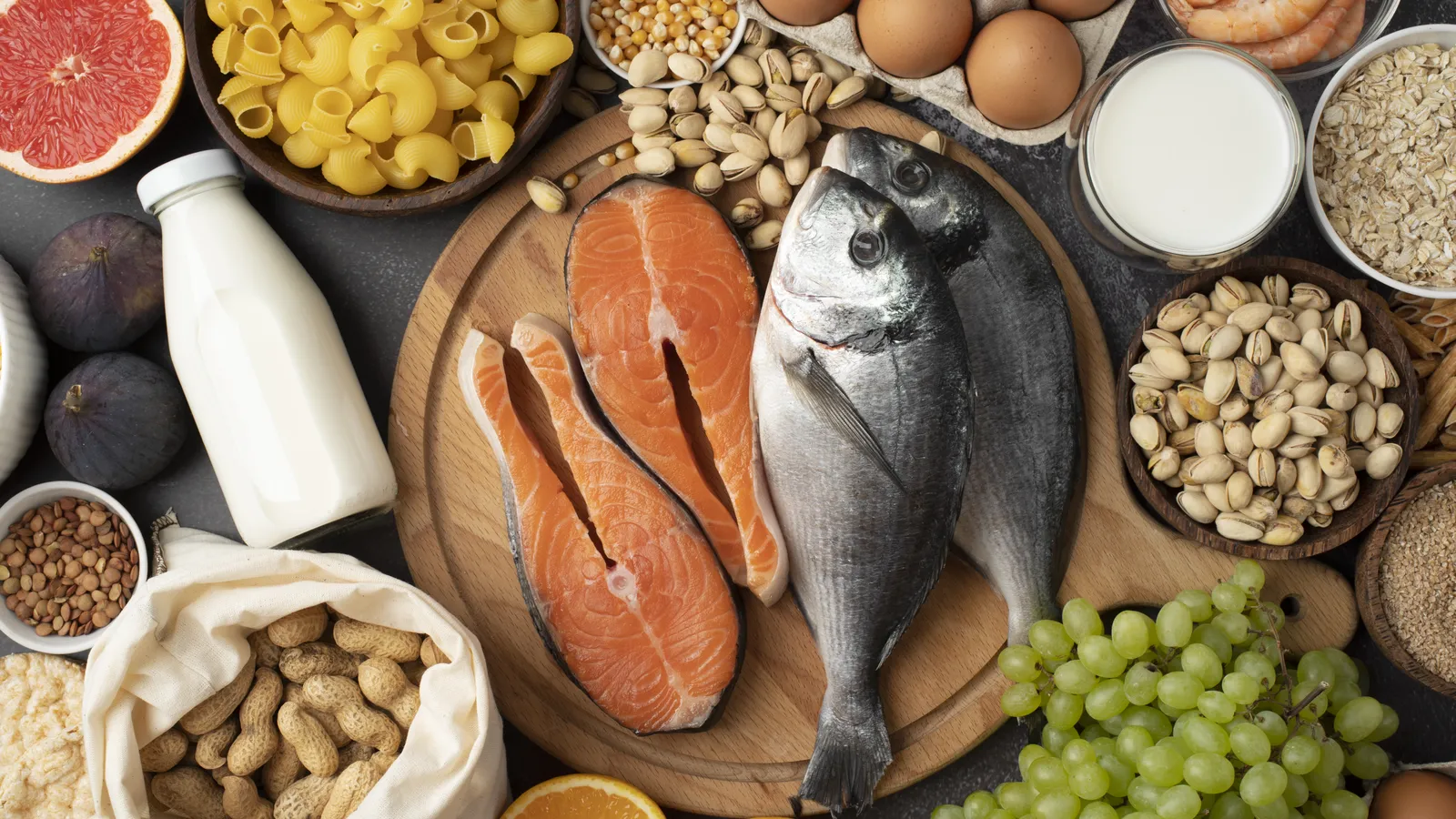
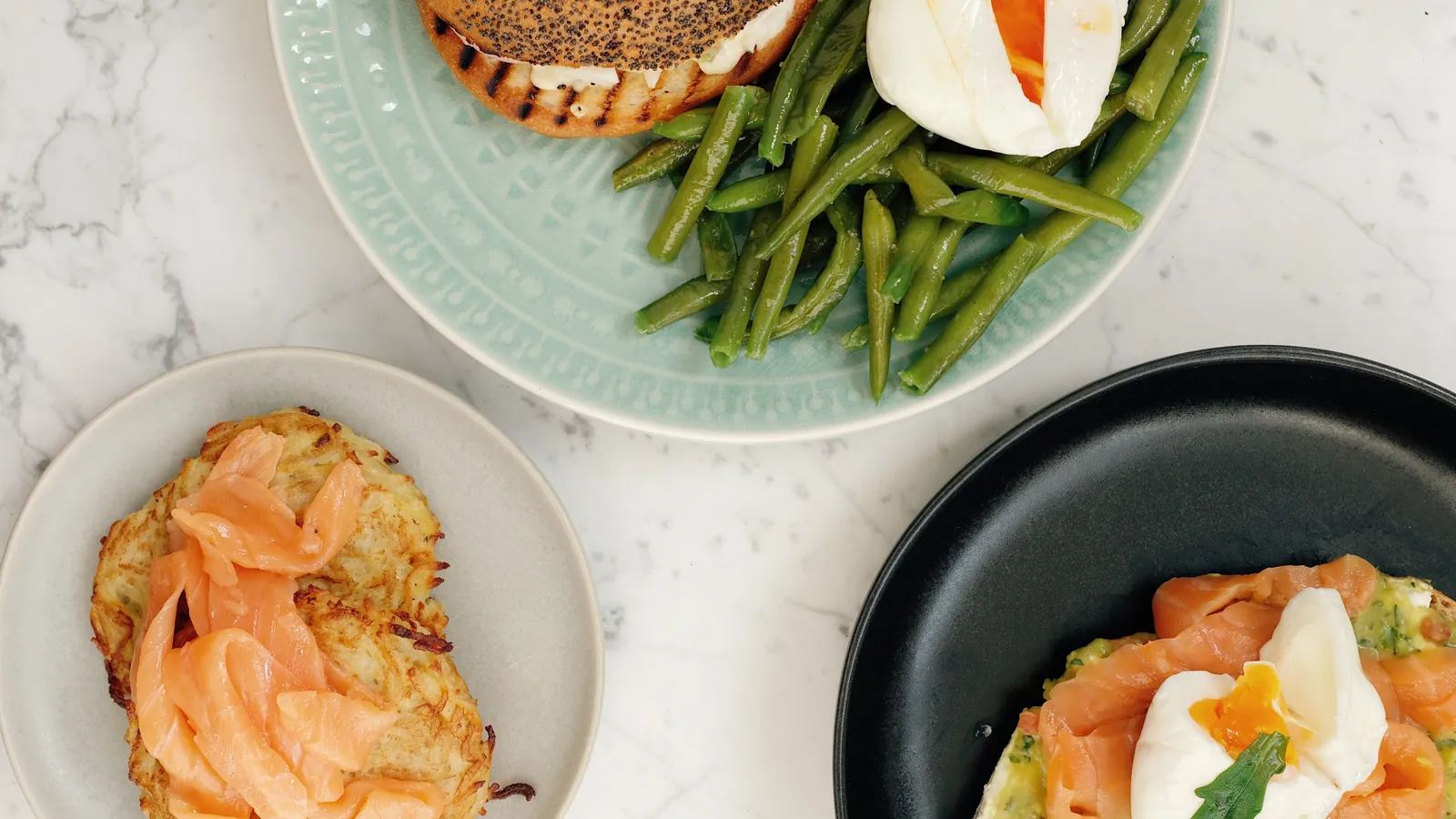
Salmon, sardines, mackerel, and other fatty fish bring omega-3 fats with solid evidence for heart and brain health, plus B12 and vitamin D, two more nutrients whose deficiencies masquerade as ordinary tiredness. Canned versions count fully and cost a fraction. Twice a week is the standard target.
The greens and the nuts
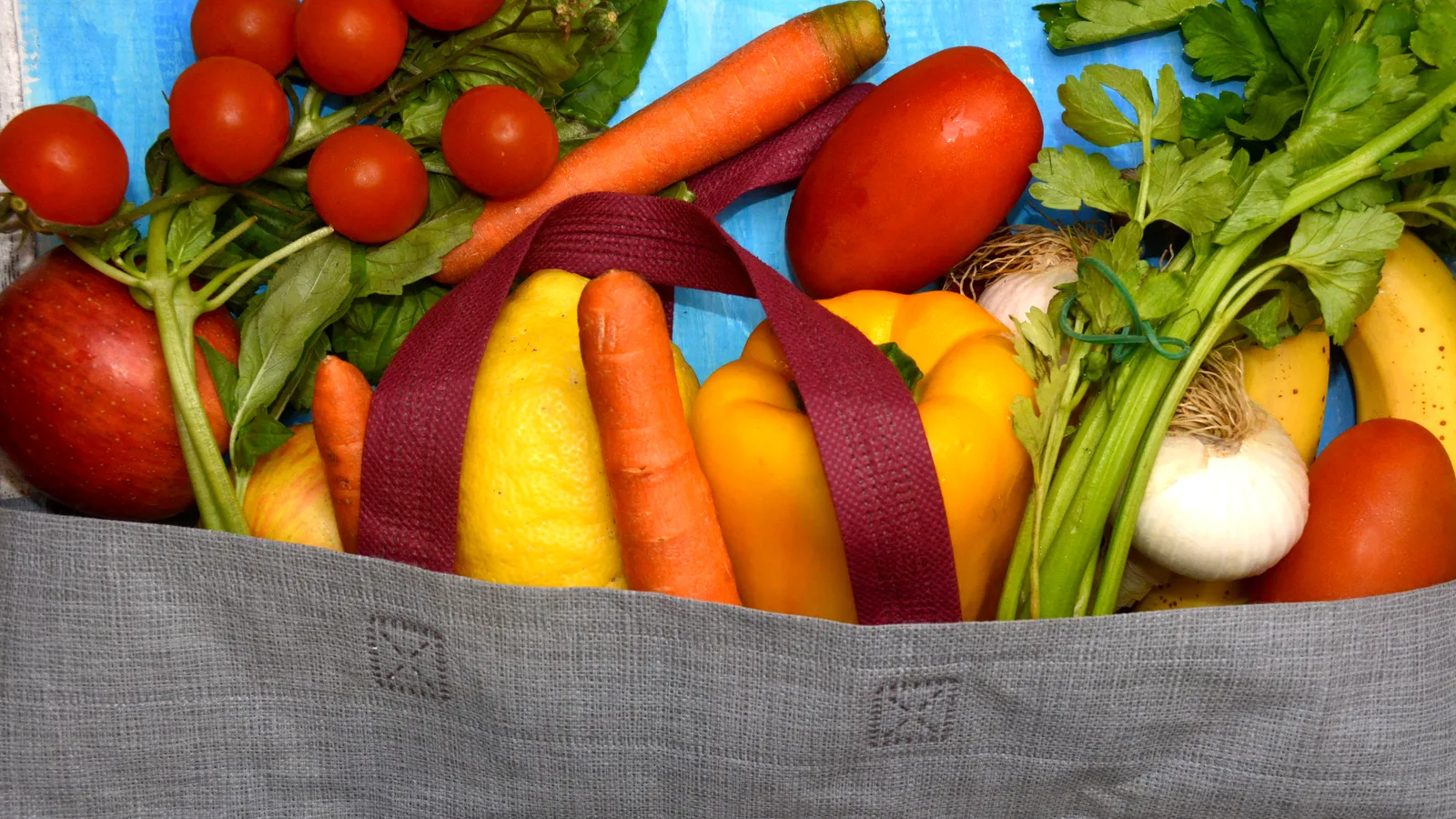
Spinach, kale, chard, and friends supply folate, iron, and magnesium, a mineral involved in hundreds of energy-producing reactions and one many adults under-consume. Nuts and seeds, especially almonds and pumpkin seeds, double down on magnesium and add healthy fats that keep snacks from becoming sugar episodes. A handful between lunch and dinner outperforms anything from a vending machine.
The gut contingent
Yogurt, kefir, and other fermented foods support the gut microbiome, which research increasingly ties to mood and energy regulation. Plain versions with live cultures are the move; flavored options often pack dessert-level sugar.
Do not forget the water
Mild dehydration, the kind that arrives by mid-afternoon when you have had nothing but coffee, reliably produces fatigue, headaches, and fuzzy focus in studies. A water bottle within reach handles the problem with zero discipline required.
A day that puts it together
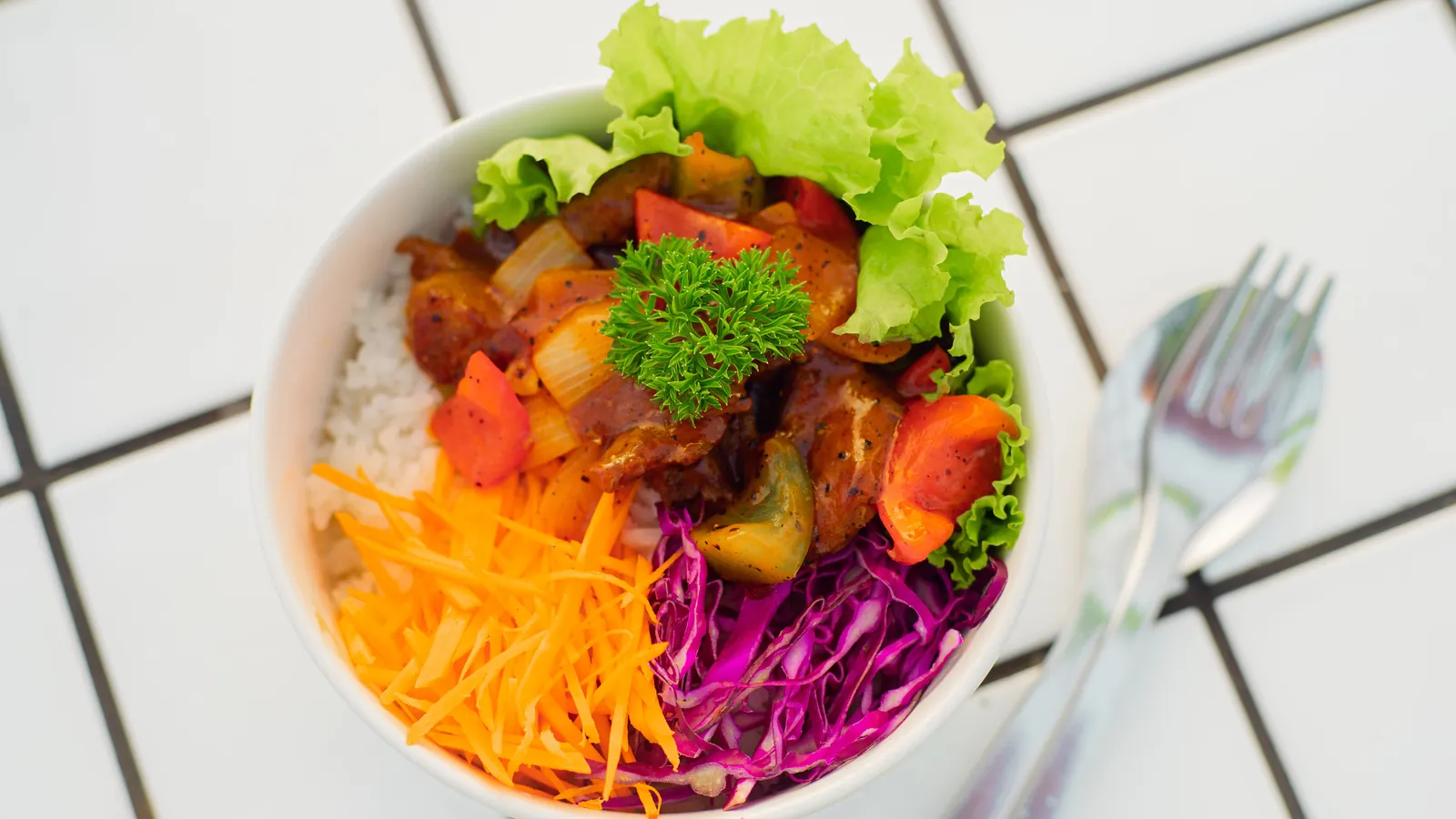
Breakfast: oatmeal with walnuts and yogurt. Lunch: lentil and vegetable soup with whole-grain bread. Snack: apple with almonds. Dinner: canned-salmon cakes, sauteed spinach, brown rice. Water throughout, coffee before noon. Nothing exotic, nothing expensive, and a noticeably steadier day than its processed equivalent.
The bottom line
Vitality is a pattern, not an ingredient: slow carbs, legumes, fatty fish, greens, nuts, fermented foods, and water, repeated through ordinary weeks. If serious fatigue persists despite a solid diet, test before supplementing: a simple blood panel finds the iron, B12, or vitamin D story faster than guesswork ever will.
Frequently asked questions
- Which nutrient deficiencies cause tiredness?
- Iron deficiency is the most common, especially in menstruating women. Vitamin B12, vitamin D, and magnesium shortfalls also show up regularly. Persistent fatigue deserves a blood test before supplements: treating a deficiency you do not have helps nothing.
- Are energy-boosting superfoods real?
- Marketing category, not a scientific one. No berry or powder outperforms an overall pattern of whole grains, legumes, vegetables, nuts, and fish. Spend the money on groceries, not powders.
- What is the best breakfast for all-morning energy?
- Pair slow carbs with protein: oatmeal with nuts and yogurt, eggs with whole-grain toast, or Greek yogurt with berries and seeds. Pastry-and-coffee breakfasts produce a spike and a 10:30 crash.
Sources
- The Nutrition Source (Harvard T.H. Chan School of Public Health)
- Dietary Guidelines for Americans (U.S. Department of Agriculture)
- Magnesium Fact Sheet for Health Professionals (NIH Office of Dietary Supplements)
This article is for informational purposes only and is not a substitute for professional medical advice, diagnosis, or treatment. Always seek the advice of your physician or another qualified health provider with any questions you may have. Read our full medical disclaimer.
Comments (0)
- Be the first to comment.