Healthy Eating on a Budget: A Realistic Guide
Eating well does not require specialty stores or premium brands. A dietitian-informed playbook for stretching a grocery budget without giving up nutrition, taste, or time.
The most persistent myth in nutrition is that eating well is expensive. It is true that almond butter, exotic berries, and anything labeled artisanal will drain a wallet. But the foods with the strongest health evidence behind them, the ones dietitians actually build meals around, sit in the cheapest aisles of every grocery store. Eating well on a budget is mostly a matter of knowing where to look and spending twenty minutes a week planning.
Build around the budget all-stars
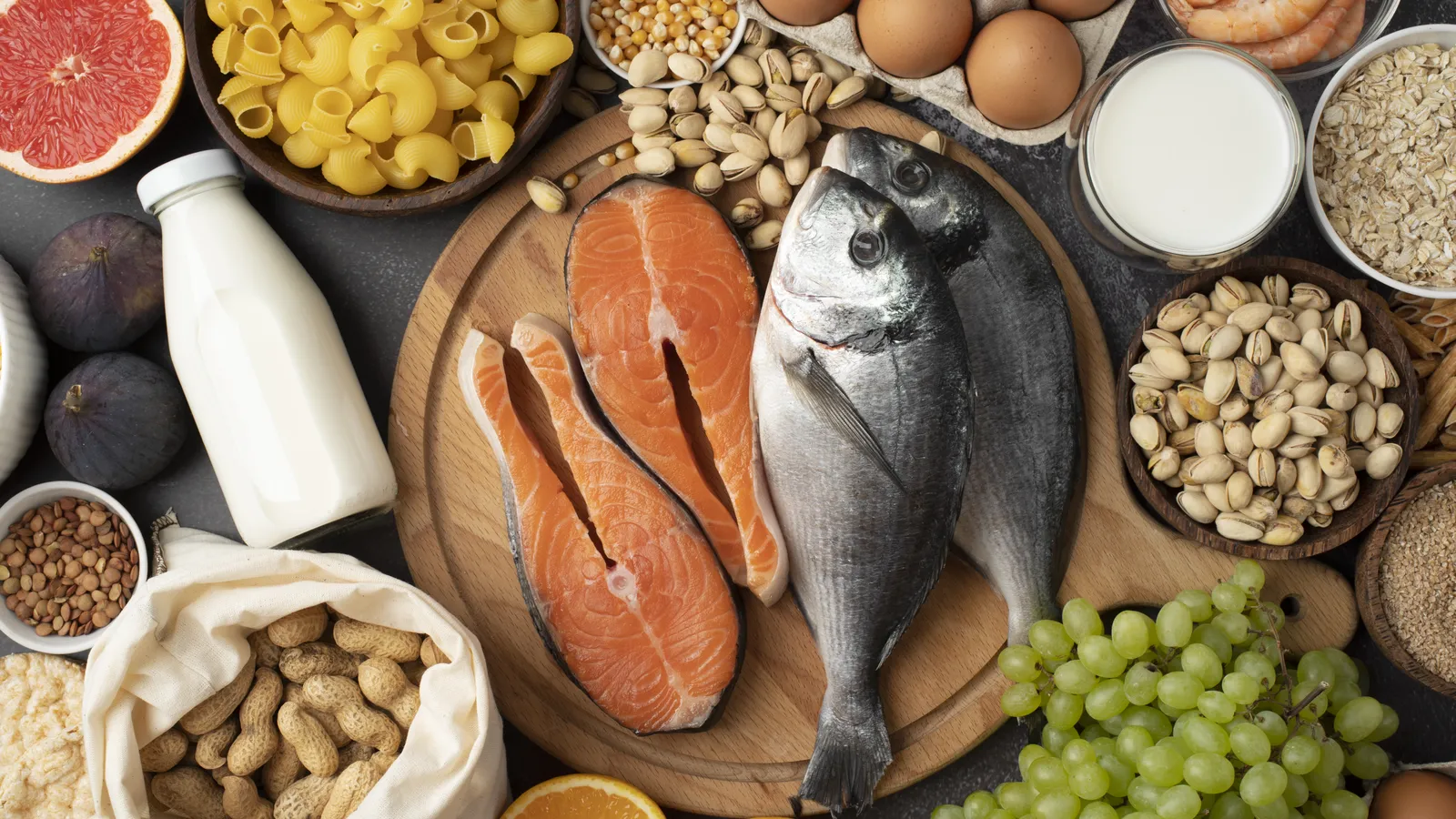
A short list of foods delivers outsized nutrition per dollar, and a week of meals built on them covers most needs:
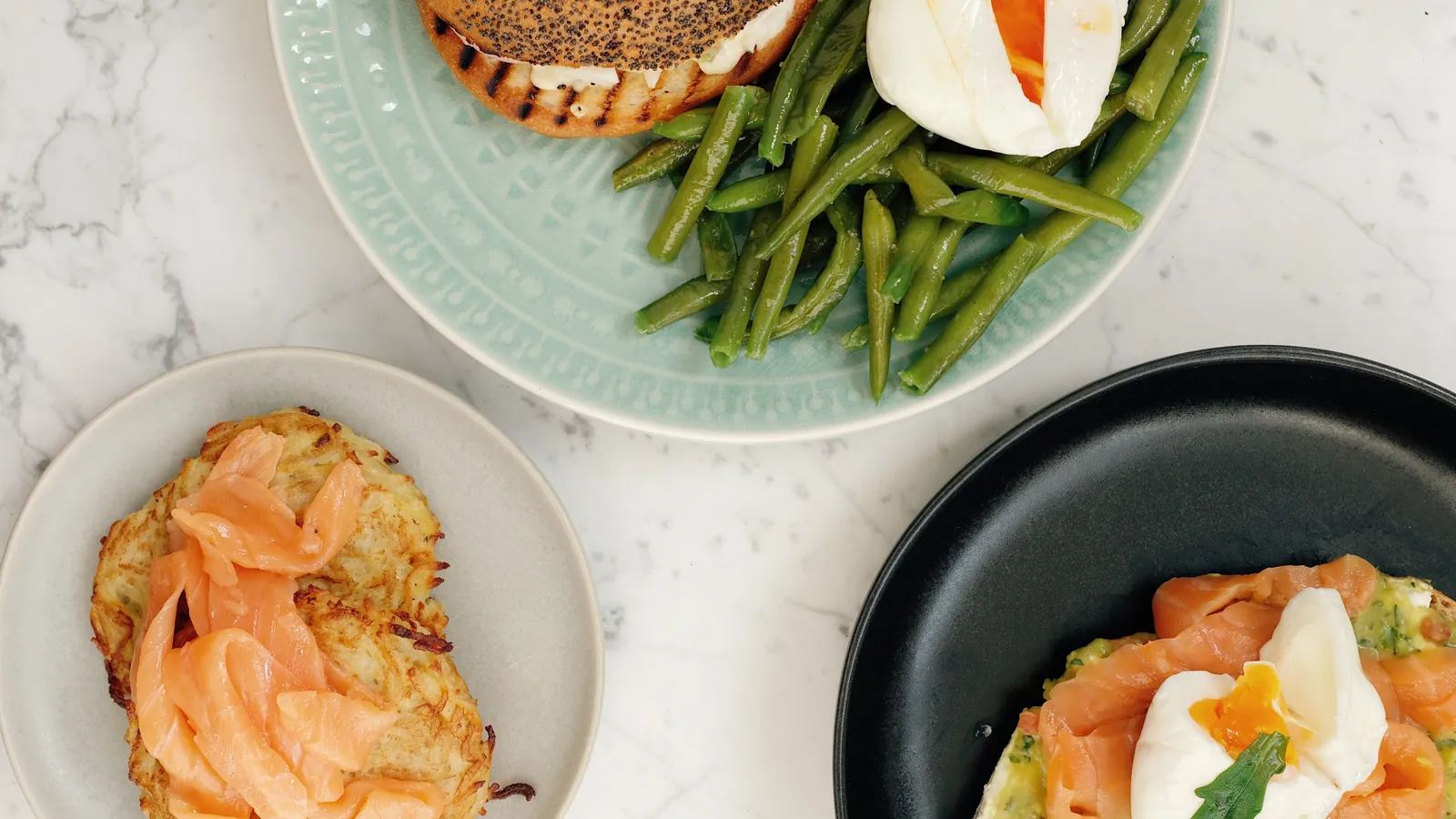
- Eggs: complete protein plus choline and B vitamins at pennies per serving.
- Dried beans and lentils: the cheapest protein and fiber combination in the store. A bag of lentils makes a week of lunches.
- Canned fish: sardines and tuna bring omega-3 fats at a fraction of fresh fish prices.
- Oats and brown rice: whole grains in bulk cost cents per bowl and anchor breakfasts and dinners alike.
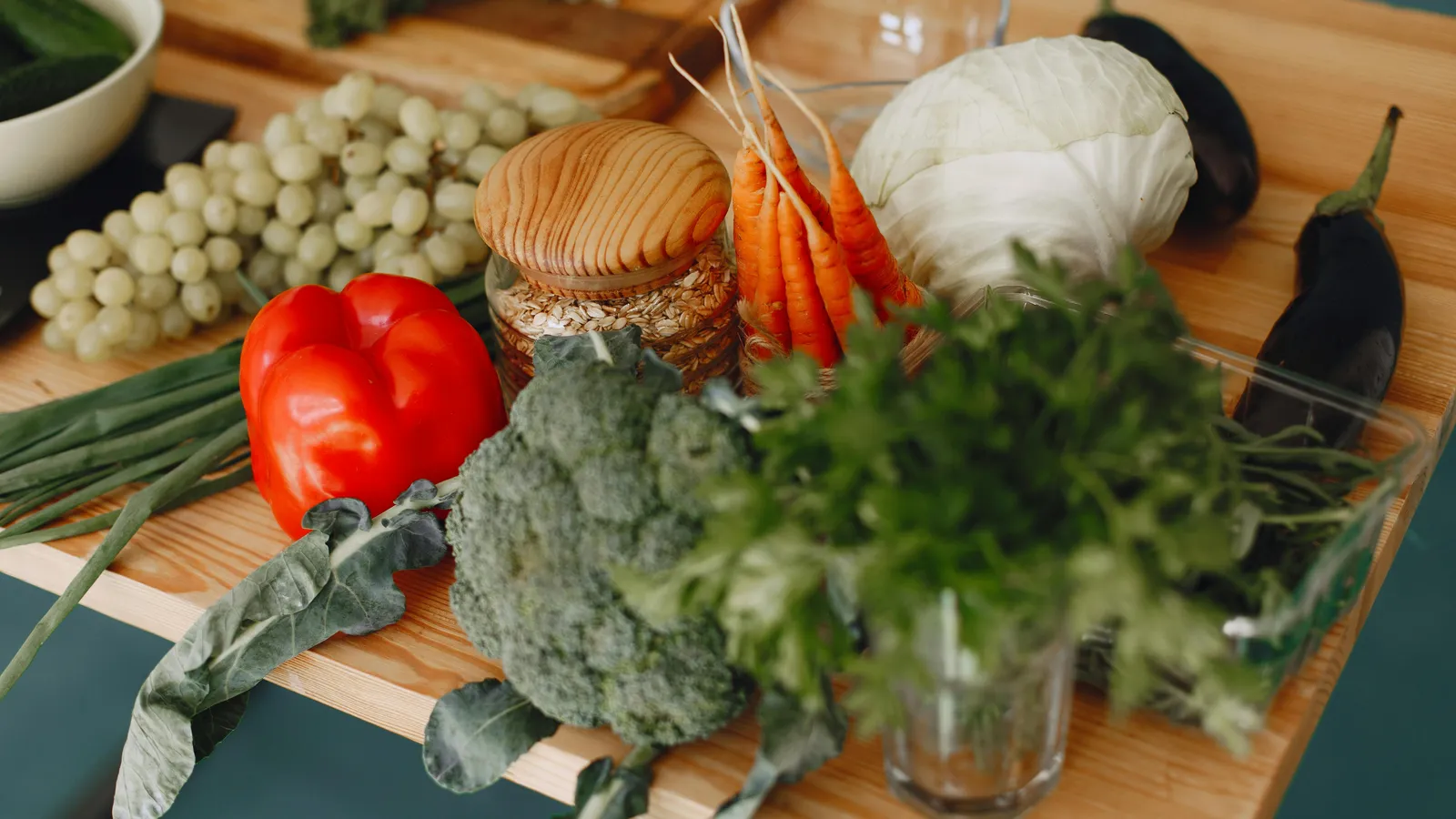
- Frozen vegetables and fruit: harvested at peak, frozen within hours, nutritionally on par with fresh, and they never rot in the drawer.
- Seasonal produce, cabbage, carrots, bananas: the unglamorous standbys that are cheap year round.
Plan for twenty minutes, save for a week
Unplanned shopping is where budgets die. The fix is a short weekly ritual: check what you already have, scan the store flyer for sales, sketch five dinners, and write a list organized by aisle. People who shop with a list consistently spend less and waste less, and the discipline compounds: leftovers become tomorrow's lunch instead of Friday's garbage.
Two more habits multiply the effect. Never shop hungry, because hunger reliably adds impulse items to the cart. And cook once, eat twice: doubling a soup, chili, or grain bowl recipe costs minutes and removes a whole cooking session from the week.
Spend where it matters, skip where it does not
Some price differences buy nothing. Store brands routinely match name brands in blind tastings, and the ingredient lists are often identical. Pre-cut vegetables, single-serve packs, and bottled smoothies charge steep markups for convenience you can replicate in minutes. The superfood aisle deserves special skepticism: no single berry or powder has health effects that ordinary produce does not, whatever the label implies.
Where is spending justified? On whatever genuinely gets you to cook and eat vegetables. If a jar of good salsa or a favorite spice blend turns cheap staples into meals you look forward to, that is money working hard.
A sample day under a tight budget
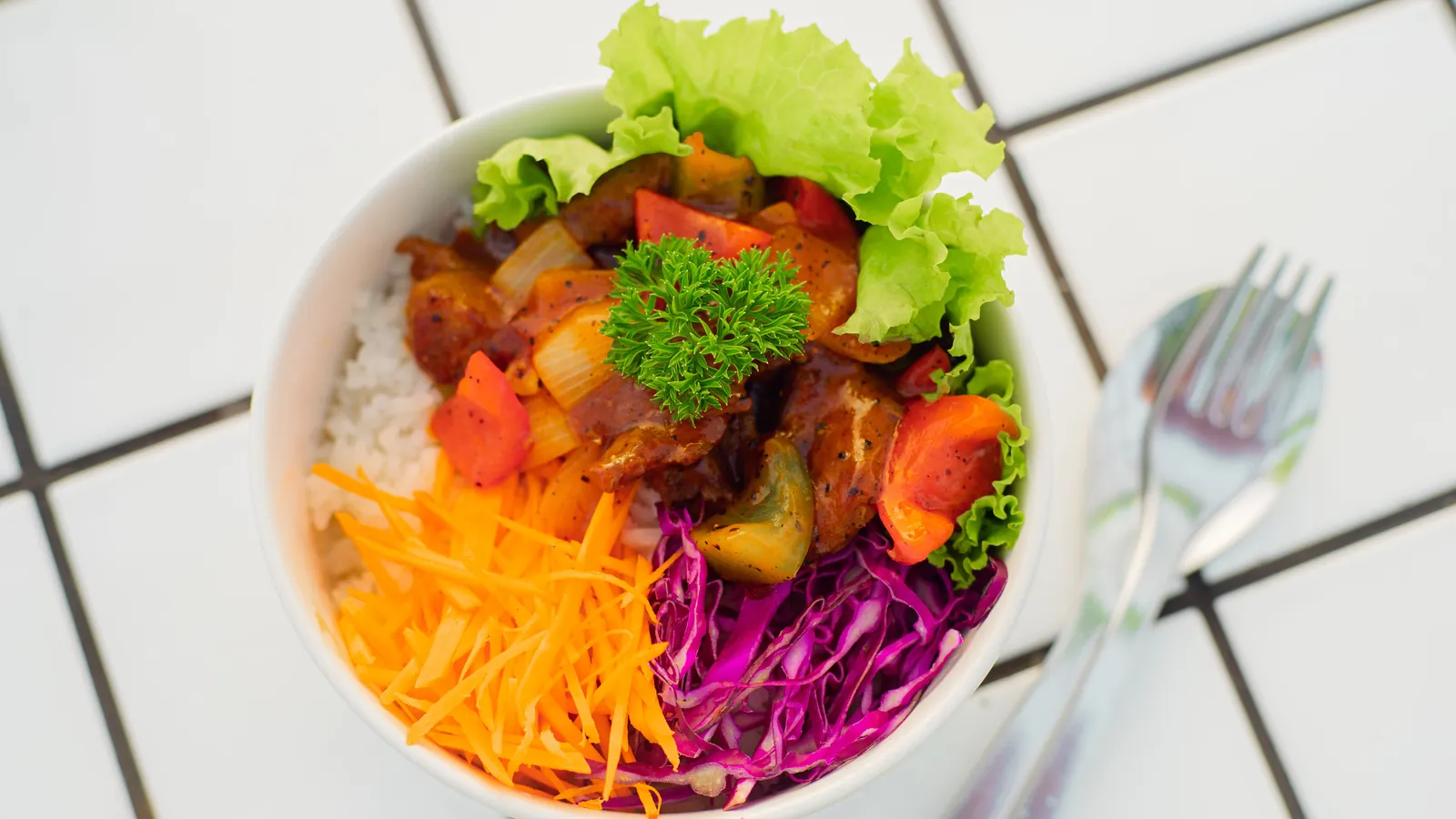
Breakfast: oatmeal with frozen berries and a spoon of peanut butter. Lunch: lentil soup made Sunday, with carrots. Snack: banana and a boiled egg. Dinner: rice bowl with black beans, frozen broccoli, salsa, and a fried egg on top. The day covers protein, fiber, healthy fats, and most micronutrients for roughly the price of a single takeout sandwich.
The bottom line
A nutritious diet is built on beans, eggs, grains, frozen produce, and planning, not on premium brands. Shop with a list, embrace the freezer, let store brands and sales set the menu, and reserve splurges for things that make you actually want to cook. Your body cannot tell the difference between expensive nutrition and cheap nutrition. Your bank account can.
Frequently asked questions
- Are frozen vegetables really as good as fresh?
- Yes. They are typically frozen within hours of harvest, which locks in nutrients. Fresh produce that travels for days and sits in a fridge often ends up with less. Choose plain frozen versions without sauces.
- What is the cheapest way to get enough protein?
- Dried beans and lentils cost the least per gram of protein, followed by eggs, canned tuna or sardines, cottage cheese, and whole chickens. Rotating these covers protein needs for a few dollars a day.
- Is organic worth it on a tight budget?
- Nutritionally, conventional produce holds up well in studies. If budget is the constraint, eating more vegetables of any kind matters far more than whether they are organic.
Sources
- Dietary Guidelines for Americans (U.S. Department of Agriculture)
- Healthy Eating on a Budget (USDA MyPlate)
- The Nutrition Source (Harvard T.H. Chan School of Public Health)
This article is for informational purposes only and is not a substitute for professional medical advice, diagnosis, or treatment. Always seek the advice of your physician or another qualified health provider with any questions you may have. Read our full medical disclaimer.
Comments (0)
- Be the first to comment.