Understanding Essential Micronutrients: A Practical Guide
Forty-odd vitamins and minerals keep you running. Here's the working map, and where Americans actually fall short.

Macronutrients get the headlines, protein this, carbs that, but the quiet workforce of human health is micronutrients: the forty-or-so vitamins and minerals needed in milligram and microgram amounts, without which nothing else runs properly. You don't need a biochemistry degree to manage them. You need a working map.
What they actually do
Think of micronutrients as specialized staff. Some are builders (calcium in bone, iron in hemoglobin). Many are enablers, cofactors that let enzymes do their jobs, from energy production (B vitamins, magnesium) to DNA repair (zinc, folate). Others are protectors and messengers: antioxidant roles for vitamins C and E and selenium; hormone-like signaling for vitamin D. Miss one chronically and the symptoms are rarely dramatic at first, just fatigue, poor immunity, slow healing, low mood. Deficiency usually whispers before it shouts.
Where Americans actually fall short
National intake surveys are consistent. The widespread shortfalls are vitamin D (limited food sources plus indoor life), magnesium and potassium (casualties of low produce and whole-grain intake), and fiber, technically not a micronutrient but failing alongside them, with over 90% of adults under target. Group-specific gaps matter too: iron in menstruating women, B12 in older adults and the plant-based, calcium in those avoiding dairy, iodine in people using only non-iodized fancy salts.
The food-first strategy
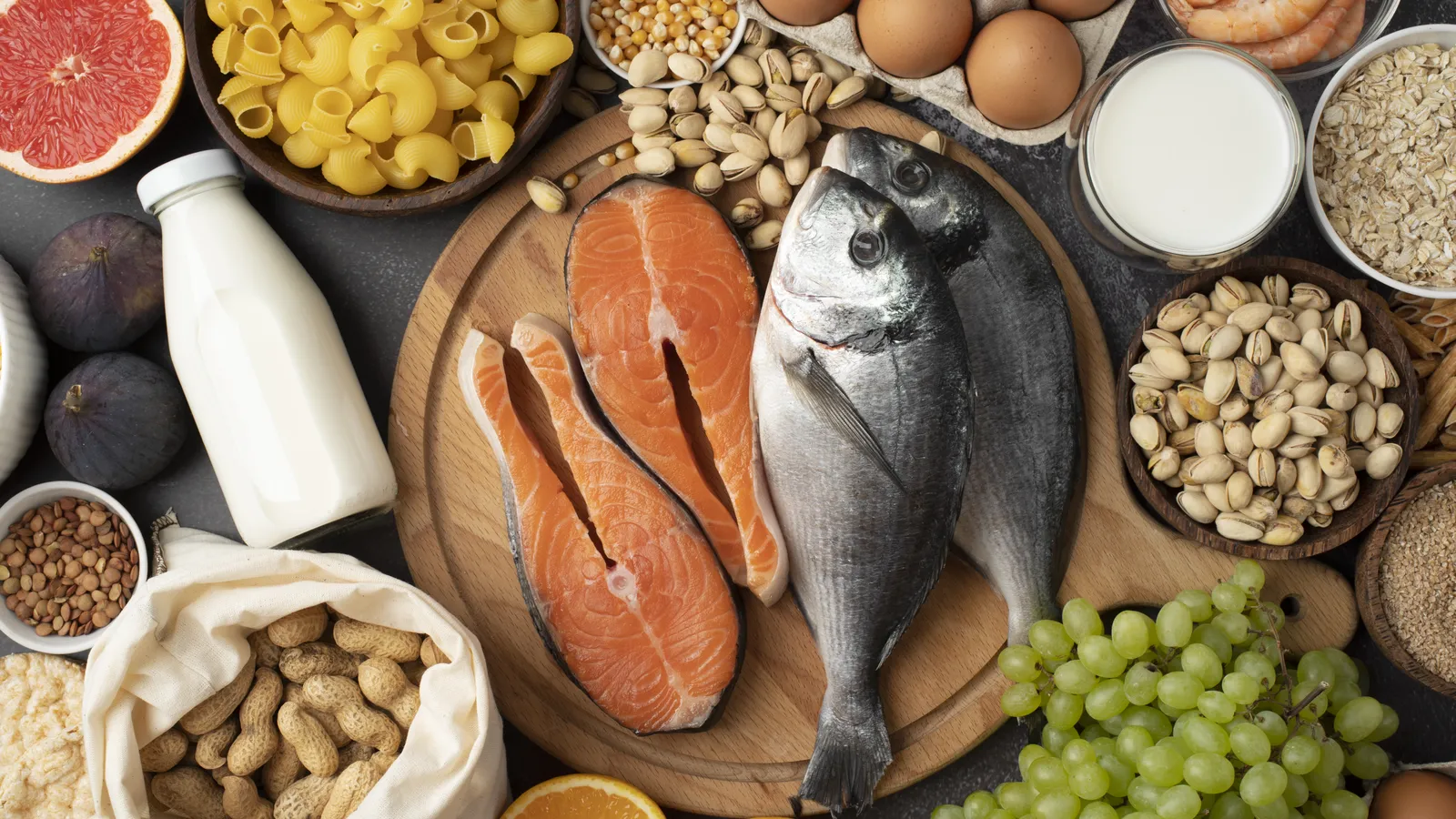
Variety beats vigilance. Each food group is a different supply truck: produce delivers potassium, folate, and vitamins A/C/K; whole grains and legumes haul magnesium, fiber, and Bs; animal foods and fortified alternatives cover B12, iron, zinc, and calcium; fish brings iodine, selenium, and vitamin D's best dietary attempt. Rotate widely within groups and the math mostly handles itself, no tracking app required.
Where supplements earn their keep
Targeted use is legitimate: vitamin D for many adults (test if unsure), B12 for vegans and many over 60, iron only with documented low ferritin, prenatal formulations around pregnancy. The general multivitamin is reasonable insurance for erratic eaters, and no substitute for the cart. Supplements patch holes; food builds the wall.
Sources
- Dietary Guidelines for Americans 2020–2025 (USDA/HHS)
- Vitamin D, Fact Sheet (NIH ODS)
This article is for informational purposes only and is not a substitute for professional medical advice, diagnosis, or treatment. Always seek the advice of your physician or another qualified health provider with any questions you may have. Read our full medical disclaimer.
Comments (0)
- Be the first to comment.