Protein 101: How Much, When, and From What
Protein went from bodybuilder niche to grocery-aisle obsession. A clear-eyed guide to how much you actually need, whether timing matters, and the best sources for health and budget.
Protein is having a long moment: it headlines cereal boxes, water bottles, and pancake mixes, while online debates rage between minimalists citing the RDA and maximalists eating steak for breakfast. The actual science is calmer than both camps and considerably more useful. Here are the numbers, the timing truth, and the sources, without the tribal warfare.
How much: floors versus targets
The official RDA, 0.8 grams per kilogram of body weight per day, answers a specific question: how little prevents deficiency in nearly everyone? It was never designed as an optimum for health, body composition, or aging well. Research on muscle maintenance and satiety points to higher practical targets for most adults: roughly 1.2 to 1.6 g/kg daily, with the higher end earning its keep during hard training, intentional weight loss (where it protects muscle while fat goes), and older age.
Translated: a 70 kg (154 lb) adult lands at about 85 to 110 grams daily. For calibration, a chicken breast carries around 35 g, a can of tuna 25 g, a cup of Greek yogurt 17 g, a cup of cooked lentils 18 g, and an egg 6 g. Most people who start counting discover they hover near the RDA and well short of the practical target, mostly because breakfast and lunch are protein deserts.
The over-50 exception that is not an exception
Aging muscle responds more weakly to protein, a phenomenon called anabolic resistance, while muscle loss quietly accelerates. The combination means older adults need more dietary protein to achieve the same maintenance, not less, which collides with the common pattern of appetites and portions shrinking after 50. For this group, hitting roughly 1.2 g/kg or better, paired with resistance training, is one of the best-evidenced defenses of future independence.
When: the timing question, answered honestly
Total daily intake dominates everything else. The one timing pattern with consistent support is distribution: muscle protein synthesis responds meal by meal, maxing out around 25 to 40 g per sitting, so three decent doses beat a token breakfast and a 70-gram dinner. The post-workout anabolic window turned out to be hours wide, not minutes; eat your normal meal and stop stressing. Practical translation: fix breakfast first. Eggs, Greek yogurt, cottage cheese, or leftover dinner all outperform toast and jam by 20-plus grams.
From what: ranking the sources
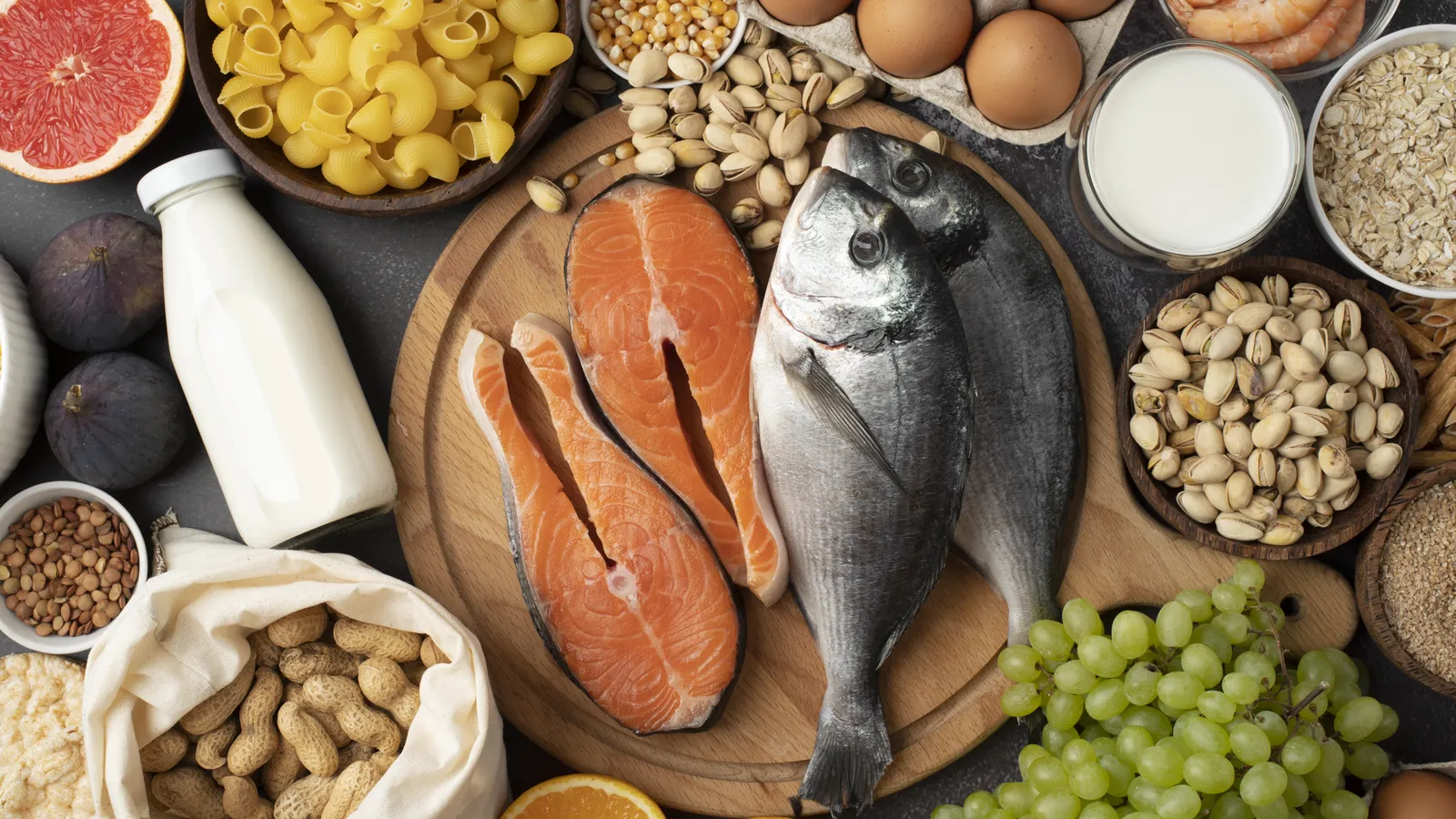
- Legumes (beans, lentils, chickpeas): protein plus fiber at the lowest cost in the store; the combination no animal source offers.
- Fish, especially fatty fish: protein with omega-3s attached; canned sardines and tuna make it cheap.
- Eggs and dairy (Greek yogurt, cottage cheese): complete, versatile, inexpensive, breakfast-friendly.
- Poultry and lean meats: efficient and dense; balance frequency with the rest of the pattern.
- Nuts, seeds, tofu, tempeh: solid contributors that diversify the week.
- Powders: a legitimate convenience for busy days, not a food group. Short ingredient lists win.
Plant-forward eaters can hit every target here; variety across legumes, grains, soy, nuts, and seeds covers the amino acid spectrum without ceremony.
Safety, briefly
For people with healthy kidneys, intakes in the 1.2 to 1.6 g/kg range show no credible evidence of harm in the research to date. People with existing kidney disease are a genuine exception and should set targets with their doctor. The more common real-world risk runs the other direction: chronically low protein quietly eroding muscle through midlife and beyond.
The bottom line
Aim for roughly 1.2 to 1.6 grams per kilogram daily, tilted higher if you train hard, are losing weight, or are past 50. Spread it across meals, rescue your breakfast first, and build the supply on legumes, fish, eggs, dairy, and lean meats, with powders as understudies rather than stars. Protein is not a trend; it is structural. Treat it like infrastructure.
Frequently asked questions
- How much protein do I actually need?
- A practical target for most active adults is 1.2 to 1.6 grams per kilogram of body weight daily: roughly 85 to 110 g for a 70 kg person. Sedentary adults need less; people in hard training, those losing weight, and older adults benefit from the higher end.
- Is protein timing important?
- Far less than total daily intake. The one pattern with decent support: spreading protein across three or so meals beats concentrating it at dinner, because muscle building responds to per-meal doses of roughly 25 to 35 g.
- Are protein powders necessary?
- No. They are a convenient way to hit targets, nothing more. Whole foods bring fiber, vitamins, and minerals along with the protein. If you use a powder, treat it as a supplement to food, and pick simple products with short ingredient lists.
Sources
- Dietary Guidelines for Americans (U.S. Department of Agriculture)
- The Nutrition Source: Protein (Harvard T.H. Chan School of Public Health)
- Healthy Aging (National Institute on Aging)
This article is for informational purposes only and is not a substitute for professional medical advice, diagnosis, or treatment. Always seek the advice of your physician or another qualified health provider with any questions you may have. Read our full medical disclaimer.
Comments (0)
- Be the first to comment.