The Nutrients Involved in Energy Production
Your cells run a sophisticated power plant, and several vitamins and minerals are on the payroll.

Walk down a supplement aisle and you'd think energy comes in bottles labeled B12. The truth is both more interesting and less convenient: energy is made in your cells, from food, through a chain of chemical reactions, and a handful of vitamins and minerals serve as the indispensable crew. When one is missing, fatigue follows. When all are adequate, more doesn't mean more energy.
The B-vitamin crew
The B vitamins, thiamine, riboflavin, niacin, B6, folate, B12, and friends, work as coenzymes throughout the pathways that convert carbohydrates, fats, and protein into ATP. B12 deserves special mention: deficiency causes genuine, sometimes profound fatigue, and risk rises with age (absorption declines), with plant-based diets (B12 is essentially animal-sourced), and with common medications like metformin and acid reducers. If that describes you, periodic testing is sensible.
Iron: the oxygen courier
Every molecule of oxygen your muscles and brain receive travels on hemoglobin, which is built around iron. Low iron stores, even before full anemia, are the most common nutritional cause of persistent tiredness, affecting a substantial share of menstruating women along with frequent blood donors and endurance athletes. The fix starts with a ferritin test, not a bottle: unnecessary iron supplementation has real downsides.
Magnesium and the supporting cast
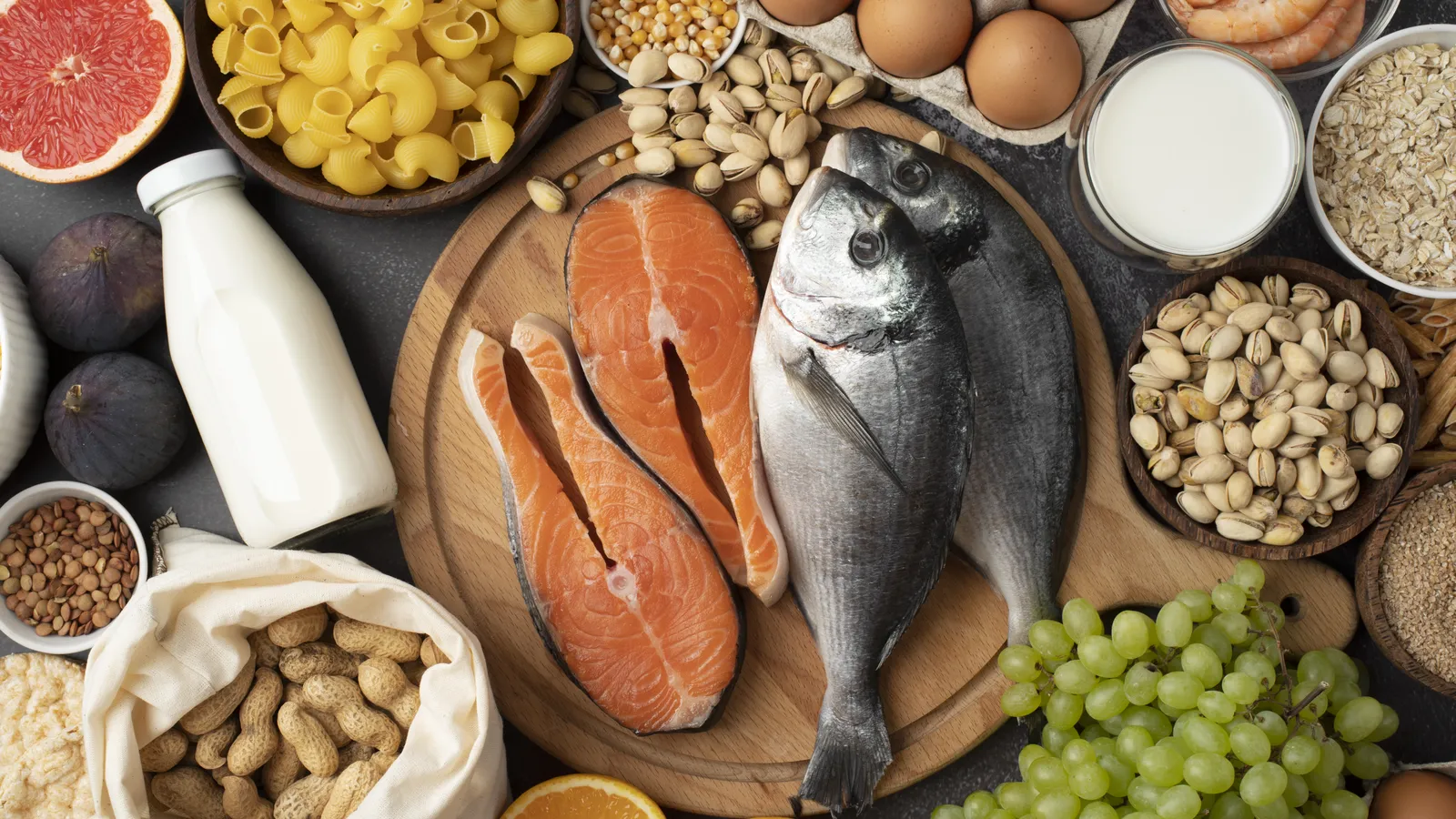
Magnesium participates in hundreds of enzymatic reactions, including every step that handles ATP, the molecule is literally used as a magnesium complex. Average US intakes run chronically below recommendations, with whole grains, legumes, nuts, and leafy greens the main food sources. Vitamin D, iodine (thyroid hormones set your metabolic idle speed), and overall protein adequacy round out the energy-relevant roster.
The honest summary
Nutrients are rate-limiters, not accelerants. Deficiency reliably causes fatigue and correction reliably fixes that portion of it, but megadosing past adequacy buys nothing except expensive urine. If you're persistently tired, the rational sequence is: assess the diet, test the usual suspects (ferritin, B12, vitamin D, thyroid), correct what's actually low, and let food carry the rest. The most powerful energy supplement remains a grocery cart with the right things in it.
Sources
- B Vitamins (NIH ODS)
- Iron, Fact Sheet for Consumers (NIH ODS)
- Magnesium, Fact Sheet (NIH ODS)
This article is for informational purposes only and is not a substitute for professional medical advice, diagnosis, or treatment. Always seek the advice of your physician or another qualified health provider with any questions you may have. Read our full medical disclaimer.
Comments (0)
- Be the first to comment.