Building Sustainable Healthy Habits
Motivation gets you started; design keeps you going. The behavioral science of habits that survive busy weeks, travel, and the inevitable loss of enthusiasm.
January gyms and abandoned meditation apps tell the same story: enthusiasm is a terrible foundation for behavior change. It is loud, it is sincere, and it is gone in three weeks. The people who exercise in year five are not more motivated than the rest of us. They built systems in which the behavior became the path of least resistance.
Behavioral science has gotten genuinely useful on this question. Here is the playbook.
Shrink the habit until refusal feels silly
The biggest predictor of a habit surviving is showing up repeatedly, and the biggest threat to showing up is size. A 45-minute workout requires energy, time, and mood to align. Two pushups require nothing. Start with a version so small it feels almost embarrassing: one minute of stretching, one vegetable at dinner, putting on running shoes and stepping outside. The point is not the immediate health effect. The point is teaching your brain that this behavior happens daily, no negotiation. Scale comes later, and surprisingly naturally.
Anchor to what already happens
New time slots are fragile; existing routines are bedrock. The technique researchers call implementation intention is just a sentence: after I do X, I will do Y. After the morning coffee starts brewing, I stretch. After I park at work, I walk one lap of the lot. After brushing teeth, I floss one tooth. The existing routine becomes the reminder, which means no app, alarm, or memory required, and the habit survives schedule chaos because the anchor moves with you.
Pay yourself immediately
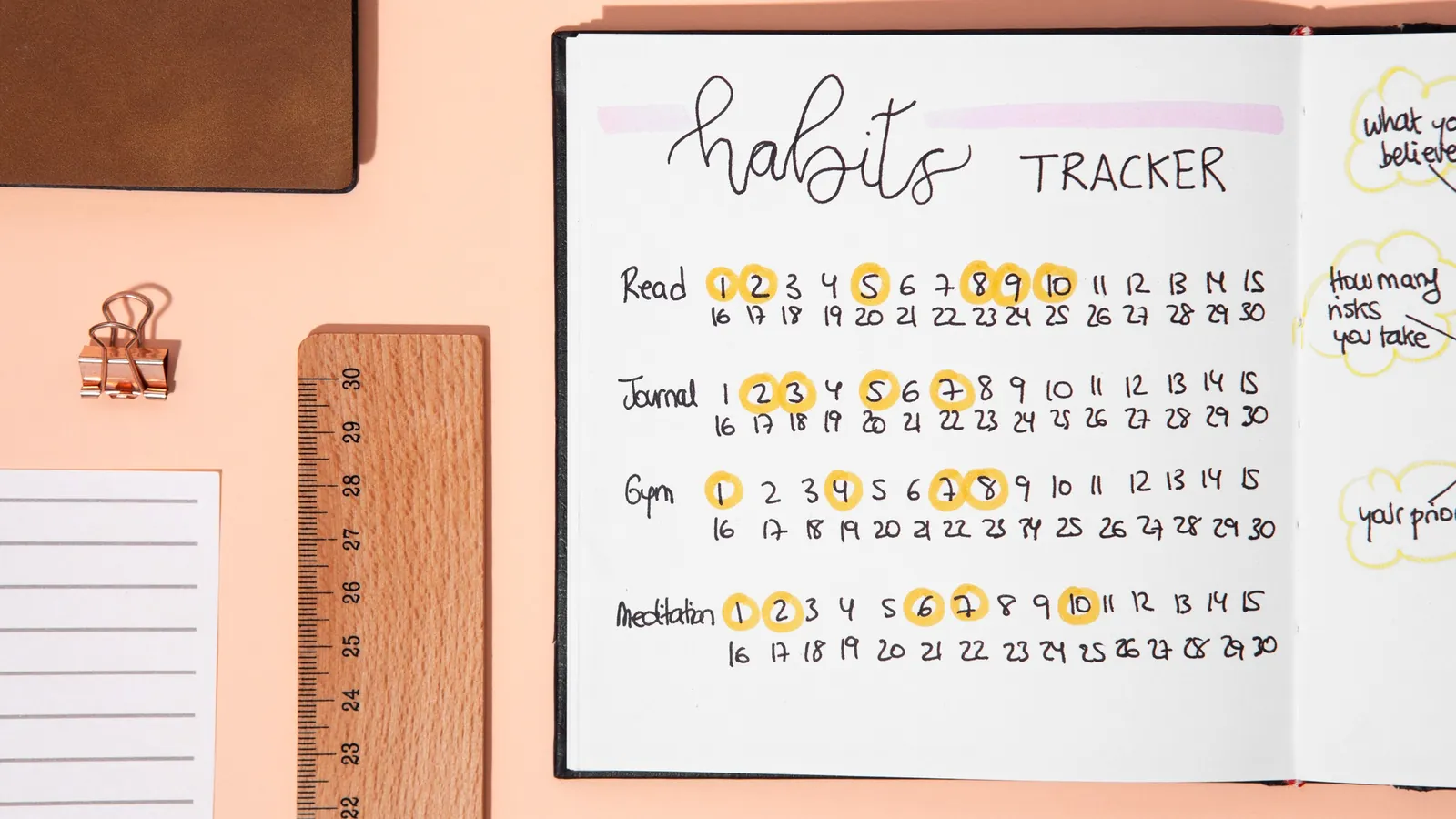
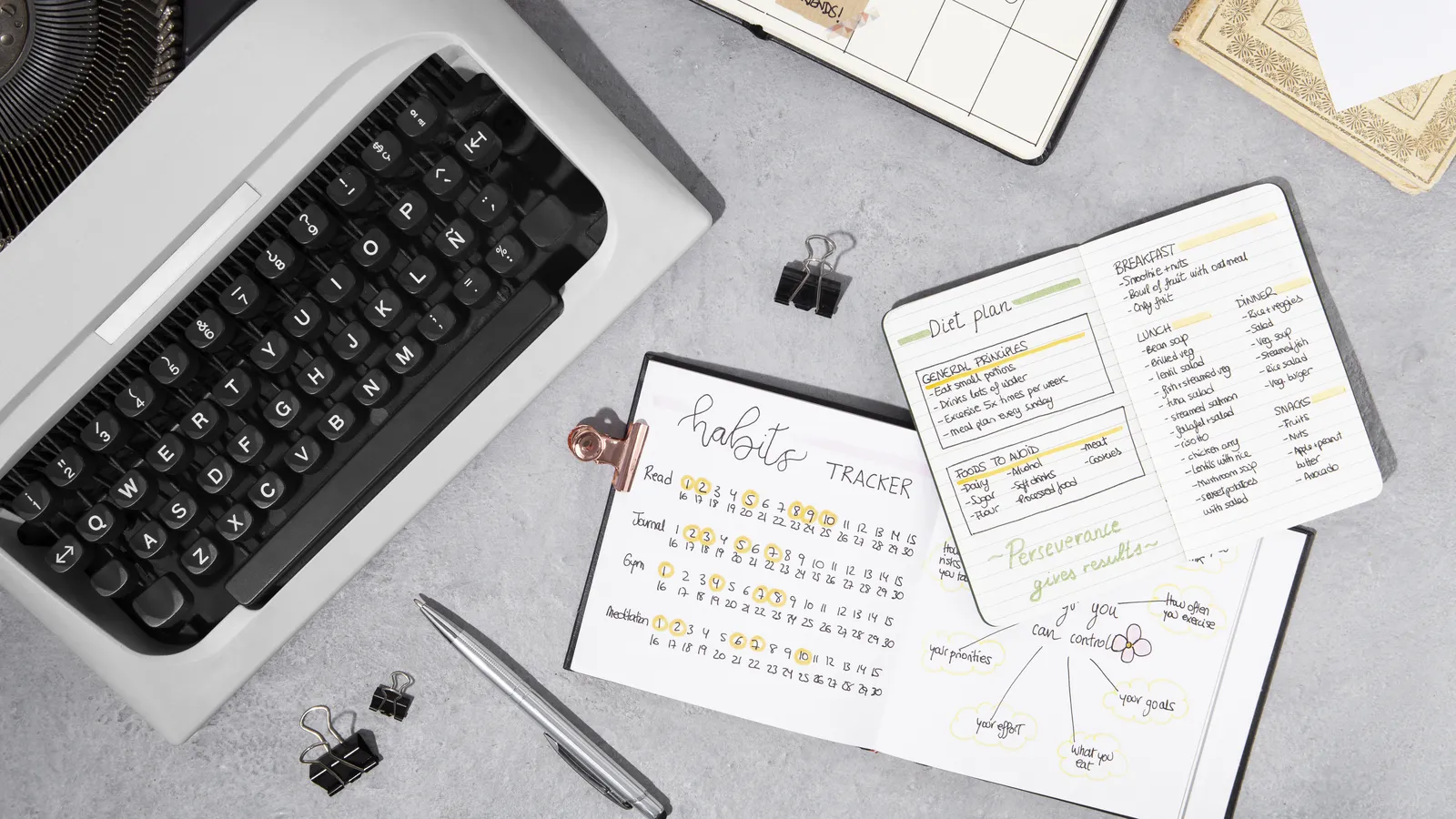
Brains repeat what feels good now, not what spreadsheets promise for later. Health payoffs run on a delay of months, which is why pure discipline burns out. Close the gap artificially: the podcast you only play while walking, the genuinely pleasant tea after the home workout, the satisfying X on a calendar chain. Tracking itself is a reward for most people; an unbroken streak becomes something you protect.
Let the environment do the heavy lifting
- Want to eat fruit? Put it at eye level, washed, in a bowl you can see.
- Want to run mornings? Lay clothes out the night before, shoes by the door.
- Want less evening scrolling? Charge the phone outside the bedroom.
- Want to drink water? A full bottle on the desk beats any reminder app.
Every step removed from a good behavior roughly doubles its odds; every step added to a bad one shrinks them. Willpower is a budget. Architecture is compounding interest.
Plan for failure like an engineer
You will miss days. Travel, illness, deadlines, and life guarantee it. The difference between a blip and a collapse is the rule you set in advance: never miss twice. One skipped workout is noise. Two starts a new identity: someone who used to work out. When you miss, the next day's habit shrinks to its two-minute version, the streak restarts, and no heroic compensation is attempted. Comebacks should be easy by design.
The bottom line
Forget motivation. Make the habit tiny, hook it to a routine you already never skip, reward it today, shape your spaces so the good choice is the lazy choice, and pre-write your comeback rule. Health is not built in heroic weeks. It is built in ordinary ones, repeated.
Frequently asked questions
- How long does it take to form a habit?
- The famous 21 days is a myth. Research observes a range from about 3 weeks to several months depending on the behavior and person, with an average around 9 to 10 weeks. Plan for months and be pleasantly surprised.
- Should I build several habits at once?
- One at a time wins for most people. Each new habit draws on the same limited self-regulation budget, and stacking too early is the most common cause of total collapse.
- What should I do after missing a few days?
- Restart at a smaller size, not a bigger one. The instinct to compensate with extra effort raises the bar exactly when your momentum is lowest. Shrink the habit, rebuild the streak, then grow it again.
Sources
- Physical Activity Basics (Centers for Disease Control and Prevention)
- Healthy Living (American Heart Association)
- Dietary Guidelines (U.S. Department of Agriculture)
This article is for informational purposes only and is not a substitute for professional medical advice, diagnosis, or treatment. Always seek the advice of your physician or another qualified health provider with any questions you may have. Read our full medical disclaimer.
Comments (0)
- Be the first to comment.