Hydration and Daily Performance: What the Science Says
You don't need a gallon jug. You probably do need more than you're drinking before 2 p.m.
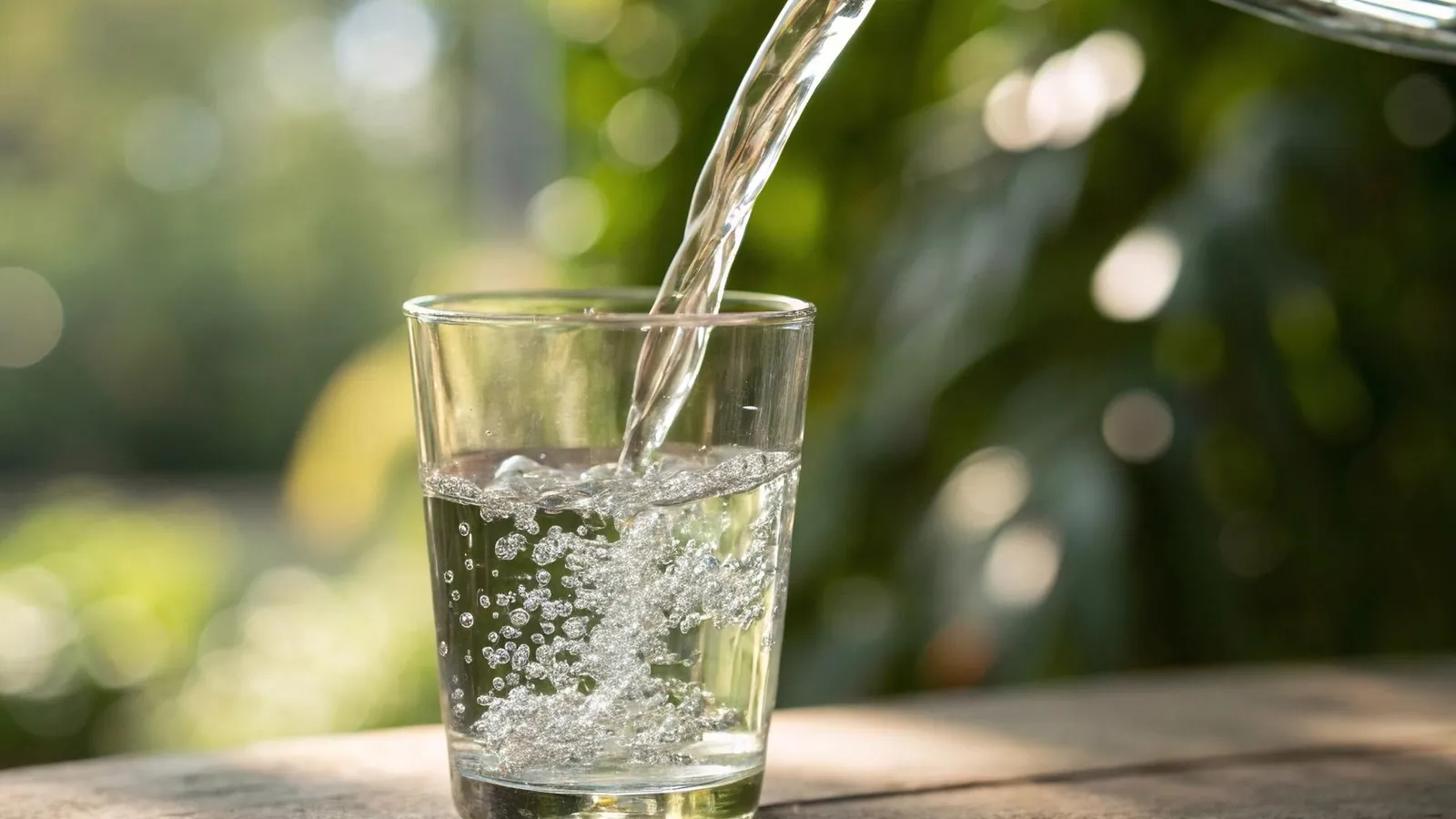
Hydration advice tends to arrive in two flavors: the influencer hauling a gallon jug, and the contrarian insisting thirst handles everything. The research sits between them, closer to the contrarian than the jug, but with one important catch that matters for how your afternoons feel.
The performance evidence
Controlled studies consistently find that even mild dehydration, around 1 to 2 percent of body weight, a level many adults reach by mid-afternoon without noticing, produces measurable effects: lower ratings of mood and energy, more headaches, and small but real declines in attention and concentration. Nothing dramatic; just a quiet tax on exactly the resources a workday spends. Women in these studies often report effects at slightly lower thresholds than men.
How much you actually need
The famous "eight glasses" has no real scientific pedigree. Reference intakes put total daily water, from all sources, around 15.5 cups for men and 11.5 for women, but roughly 20 percent of that arrives via food, and coffee and tea count toward the total (their diuretic effect is far too weak to cancel their fluid). Needs swing with body size, heat, and activity. The practical gauge costs nothing: pale-straw urine means you're fine; apple juice means you're behind.
The catch about thirst
Thirst is a decent guardian against serious dehydration but a sluggish one, it tends to lag at exactly the mild deficit levels where mood and focus erode, and it dulls further with age. That's the case for light structure rather than vigilance: a glass of water with your morning coffee, one before each meal, a bottle visible on the desk. Front-load the day's fluids; tapering after dinner spares your sleep from bathroom intermissions.
Bottom line
Skip the gallon theatrics. Drink to a schedule loosely in the morning and to thirst after, watch the color gauge, and remember that the cheapest fix for a foggy 3 p.m. brain is sometimes sitting right next to the keyboard.
Sources
- Water and Healthier Drinks (CDC)
- Dietary Reference Intakes for Water (National Academies)
This article is for informational purposes only and is not a substitute for professional medical advice, diagnosis, or treatment. Always seek the advice of your physician or another qualified health provider with any questions you may have. Read our full medical disclaimer.
Comments (0)
- Be the first to comment.