Practical Self-Care Habits That Actually Stick
Forget the spa-day version of self-care. The kind that changes your life is smaller, cheaper, and slightly boring.
Somewhere along the way, "self-care" became a shopping category, candles, retreats, elaborate Sunday routines photographed for strangers. Then real life resumes Monday and the routine dies by Wednesday. As a dietitian who spent years watching meticulously designed plans collapse, I've become a believer in a humbler definition: self-care is the small set of behaviors that keep you functional, repeated indefinitely.
Why ambitious routines fail
Behavior research is blunt about this: the more steps and minutes a routine requires, the lower its survival rate. Motivation is cyclical; schedules are hostile; and any habit that depends on a free hour will eventually meet a week with no free hours. The routines that persist share three traits, they're small, they're anchored to something you already do, and they don't require feeling good to perform.
The core four, shrunk to fit
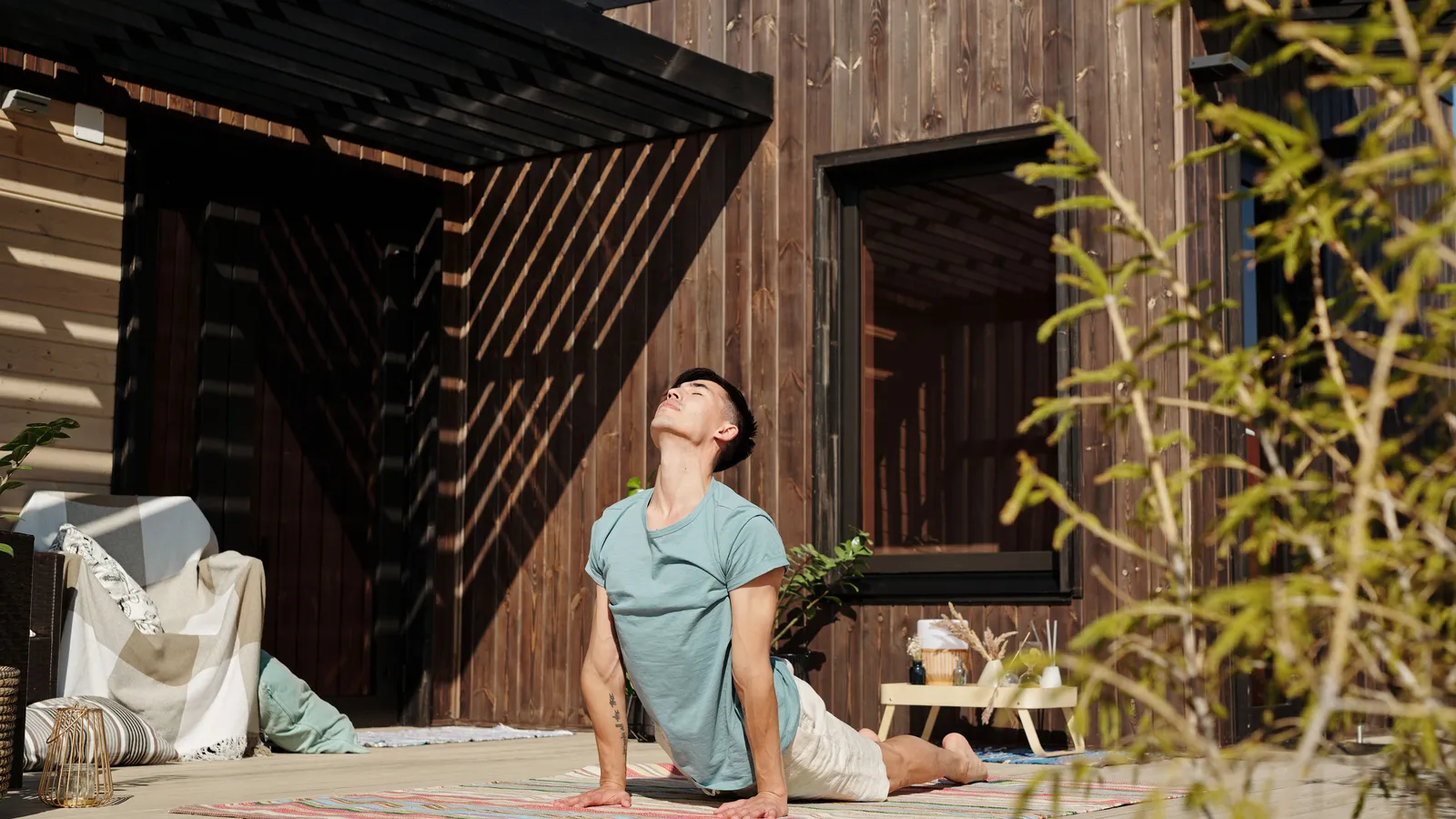
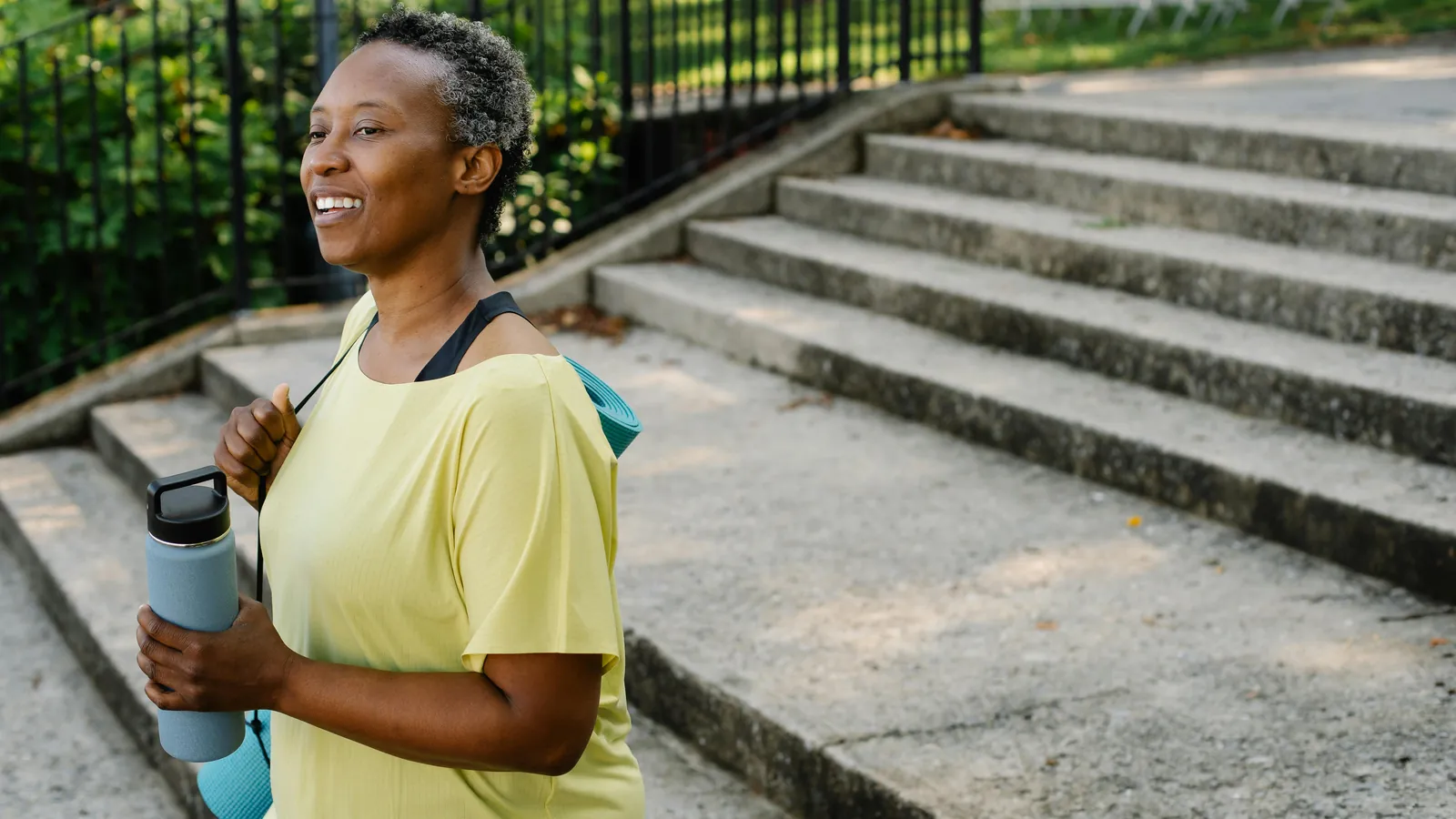
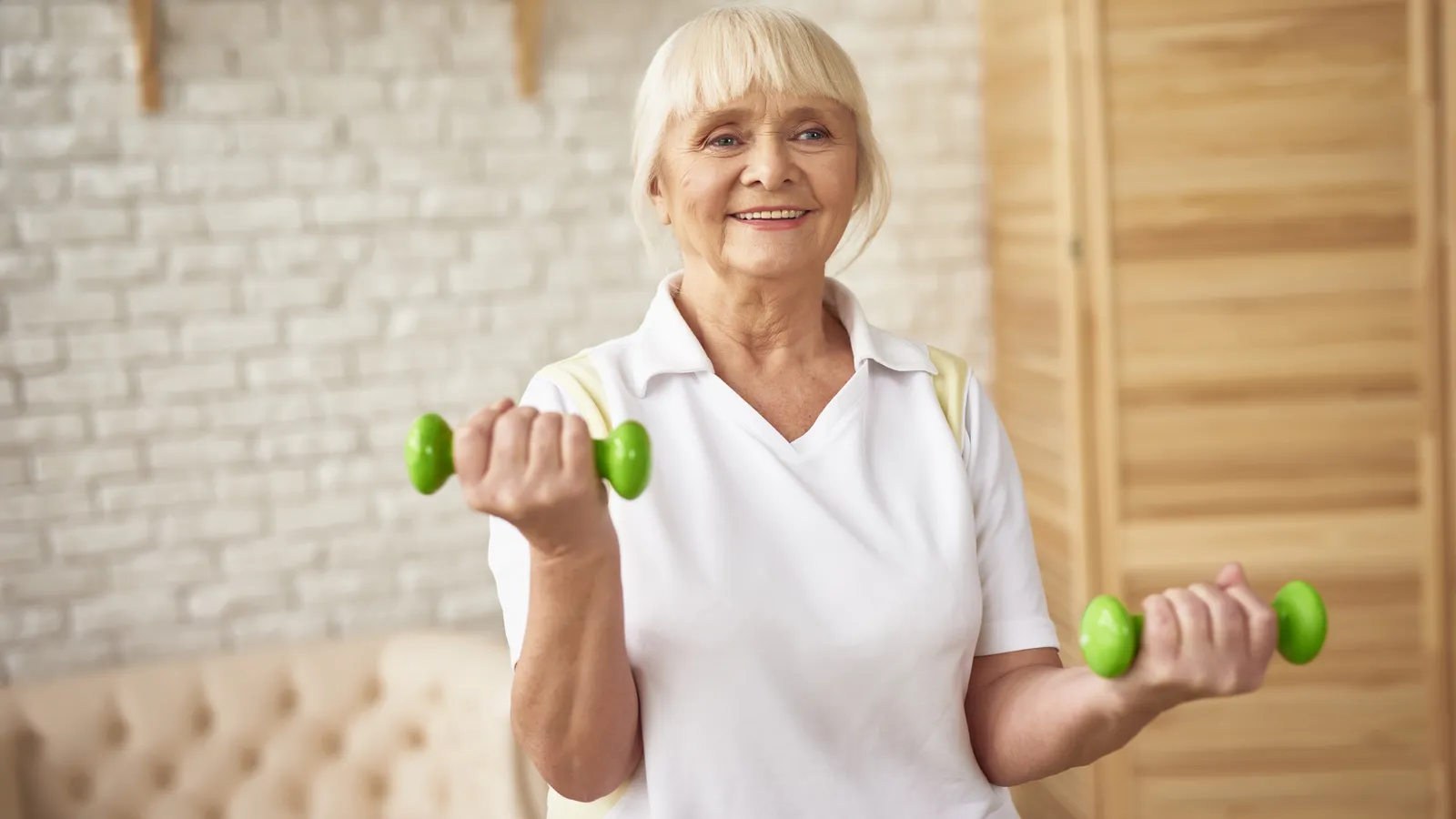
Strip self-care to what actually moves wellbeing and you get four pillars. Sleep: one protected anchor, a consistent wake time, does more than an elaborate wind-down you abandon. Movement: the two-minute version counts; a walk after lunch survives weeks that a gym membership doesn't. Meals: not perfection, just a default breakfast with protein and a hydration habit tied to your morning coffee. Boundaries: one hard stop in the evening, one notification-free hour, the word "no" deployed once a week where it matters.
Make it stick: the mechanics
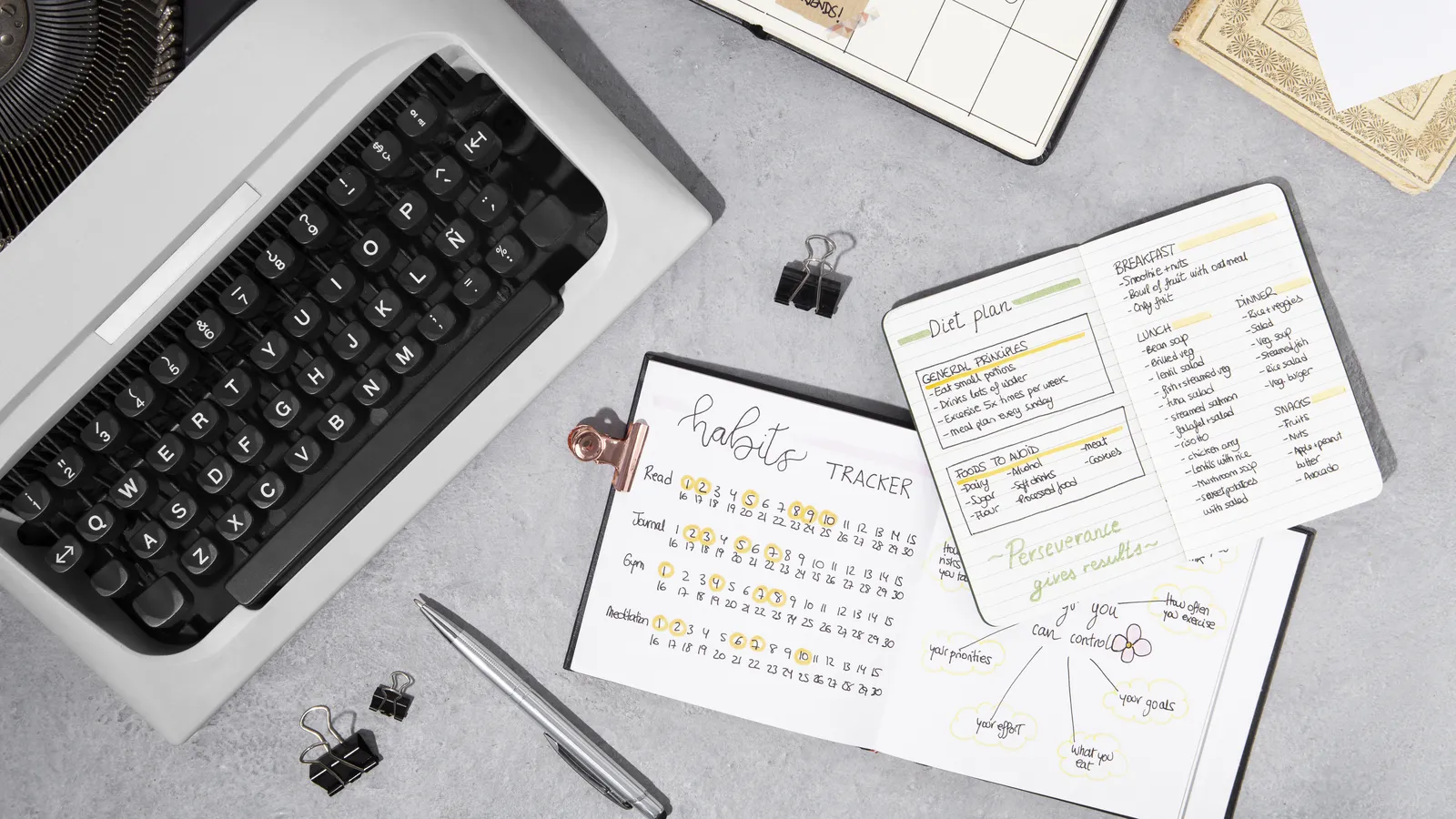
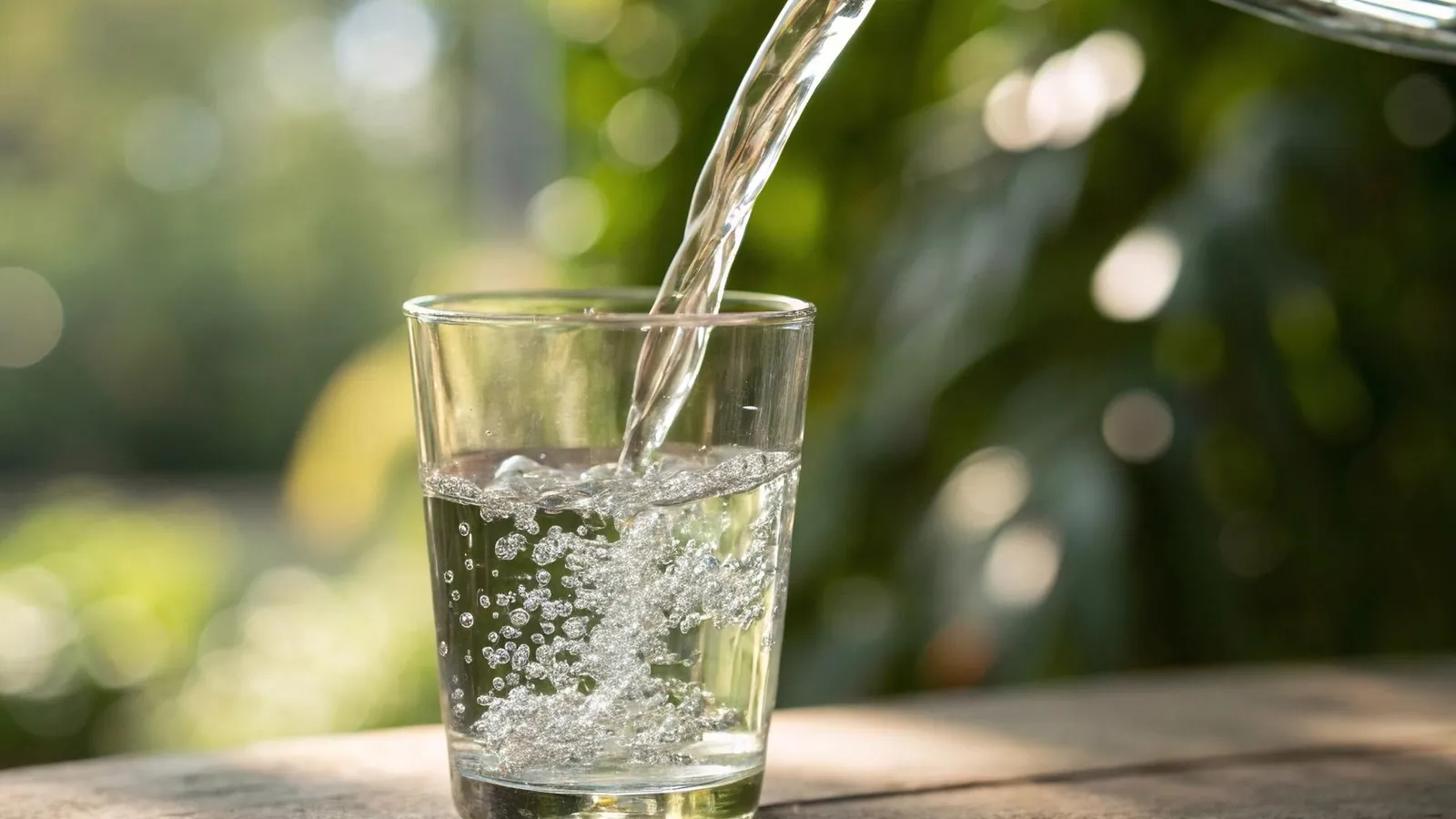
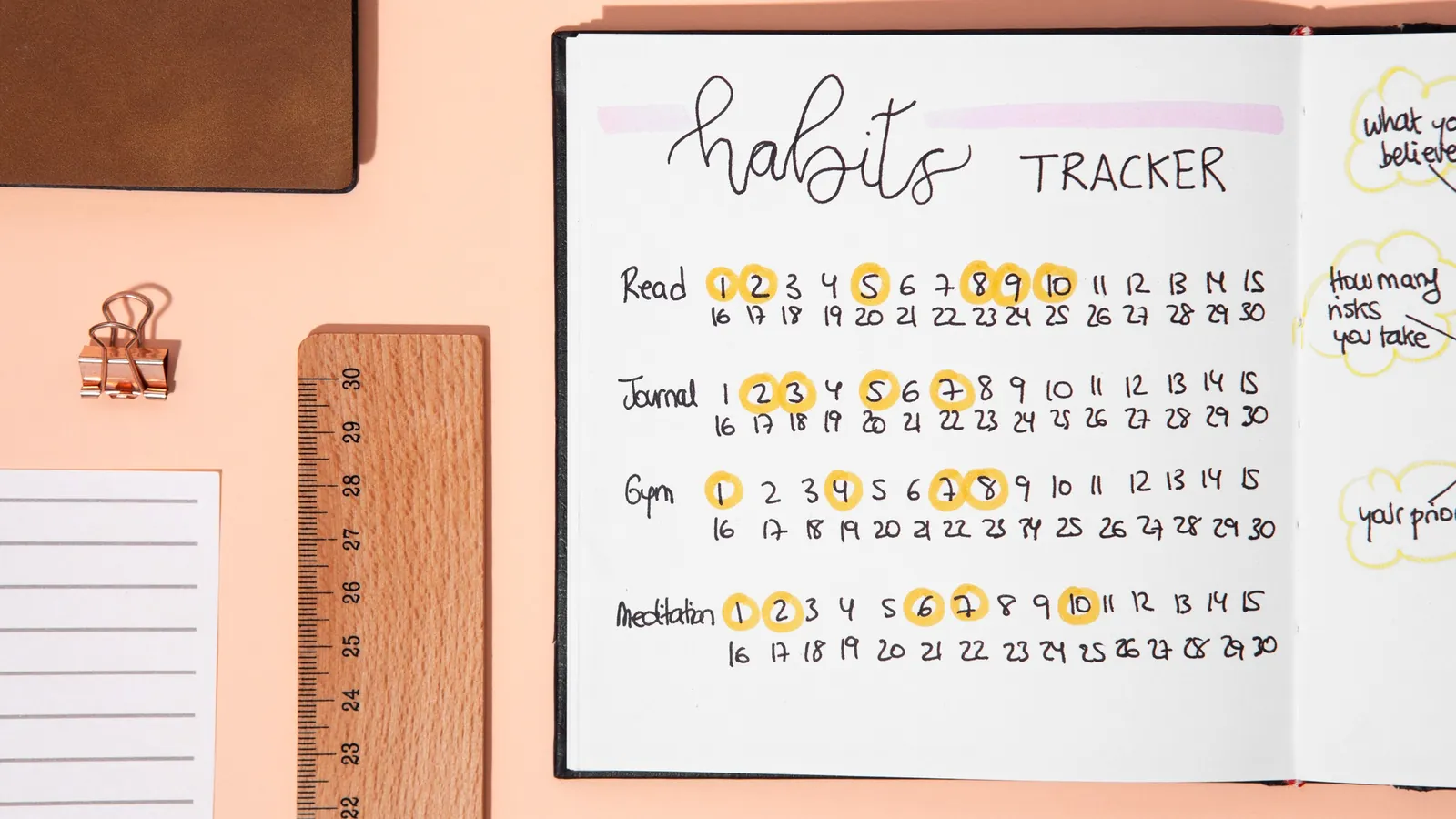
Use habit stacking: attach the new behavior to a reliable existing cue ("after I pour coffee, I drink the glass of water"). Shrink the ask until refusal feels sillier than compliance. Expect misses and plan the recovery rule in advance, never two in a row. And track the only metric that compounds: did you show up. A wobbly ten-minute walk taken 200 times a year outperforms the perfect program executed for eleven days in January.
Self-care that sticks won't photograph well. It will, quietly and cumulatively, change how every other part of your life feels.
Sources
- Making lifestyle changes that last (American Psychological Association)
- How much physical activity do adults need? (CDC)
This article is for informational purposes only and is not a substitute for professional medical advice, diagnosis, or treatment. Always seek the advice of your physician or another qualified health provider with any questions you may have. Read our full medical disclaimer.
Comments (0)
- Be the first to comment.