Wellness Trends Worth Paying Attention To
Most wellness trends die in eighteen months. A few are backed by real evidence and quietly becoming standard advice. How to tell the difference, plus five trends that pass the test.
The wellness industry produces trends the way orchards produce apples: seasonally, in bulk, and with most of the crop destined to rot. Charcoal lattes came and went. So did vibrating belts, detox teas, and a dozen breathing gadgets. But buried in the churn, a few practices accumulate evidence instead of losing it, graduating from trend to standard advice. Distinguishing the two categories is a skill worth having.
A three-question filter
Before adopting anything, run it through three questions. First: who profits if I believe this? Trends requiring proprietary products deserve more skepticism than trends requiring none. Second: what is the mechanism? A plausible biological pathway does not prove a claim, but its absence is a red flag. Third: has it been compared to doing nothing? Testimonials cannot answer that; only controlled comparisons can. With the filter in hand, here are five current trends that pass.
1. Morning light as circadian medicine
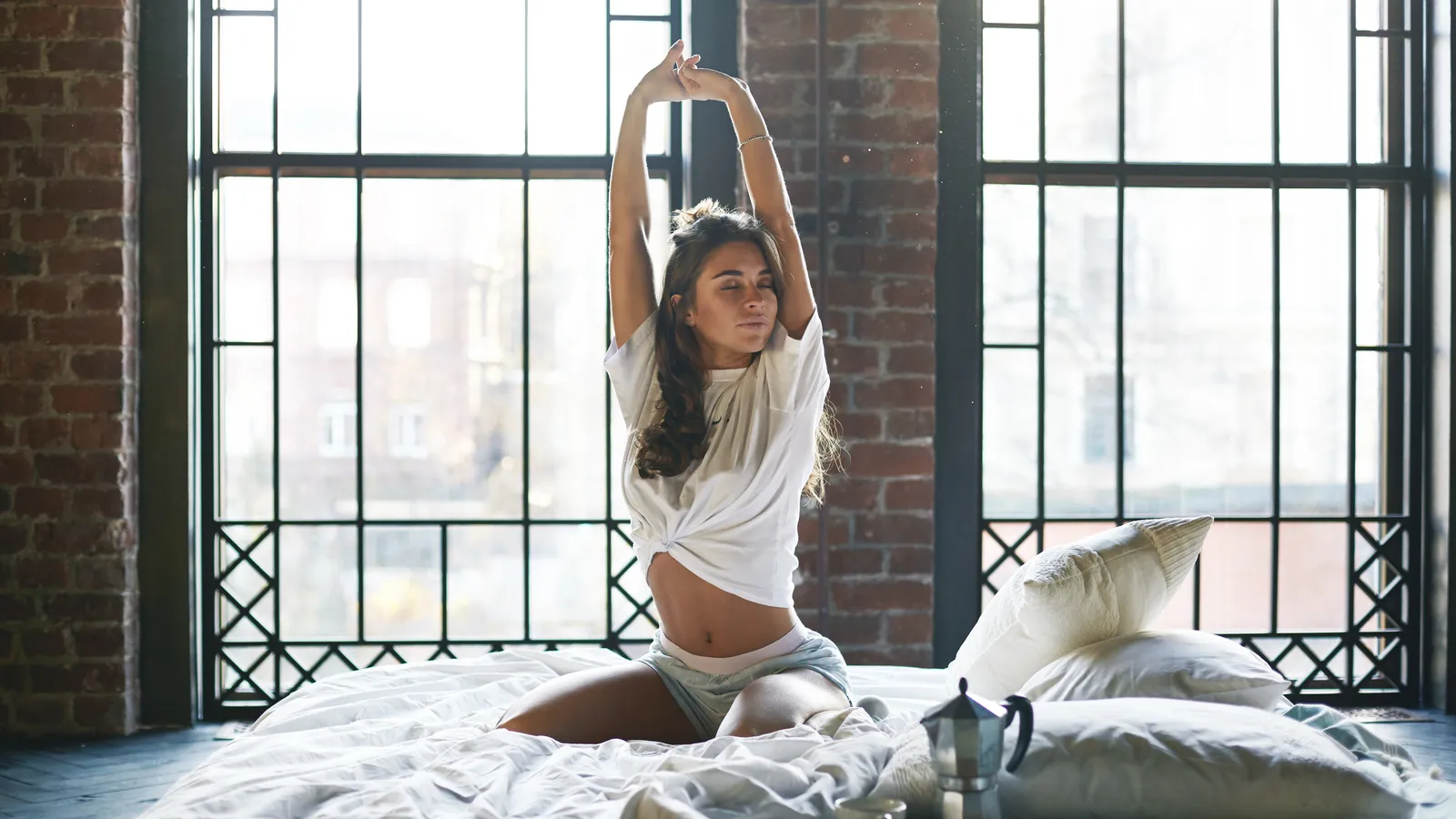
Getting bright outdoor light within an hour of waking anchors the circadian clock, which downstream improves sleep timing, daytime alertness, and mood. The evidence base is solid, the mechanism well-described, and the cost zero, a combination almost nothing in wellness achieves. Ten to twenty minutes outside, no sunglasses required, cloudy days still count. It may be the highest benefit-to-effort ratio in this article.
2. Strength training goes mainstream
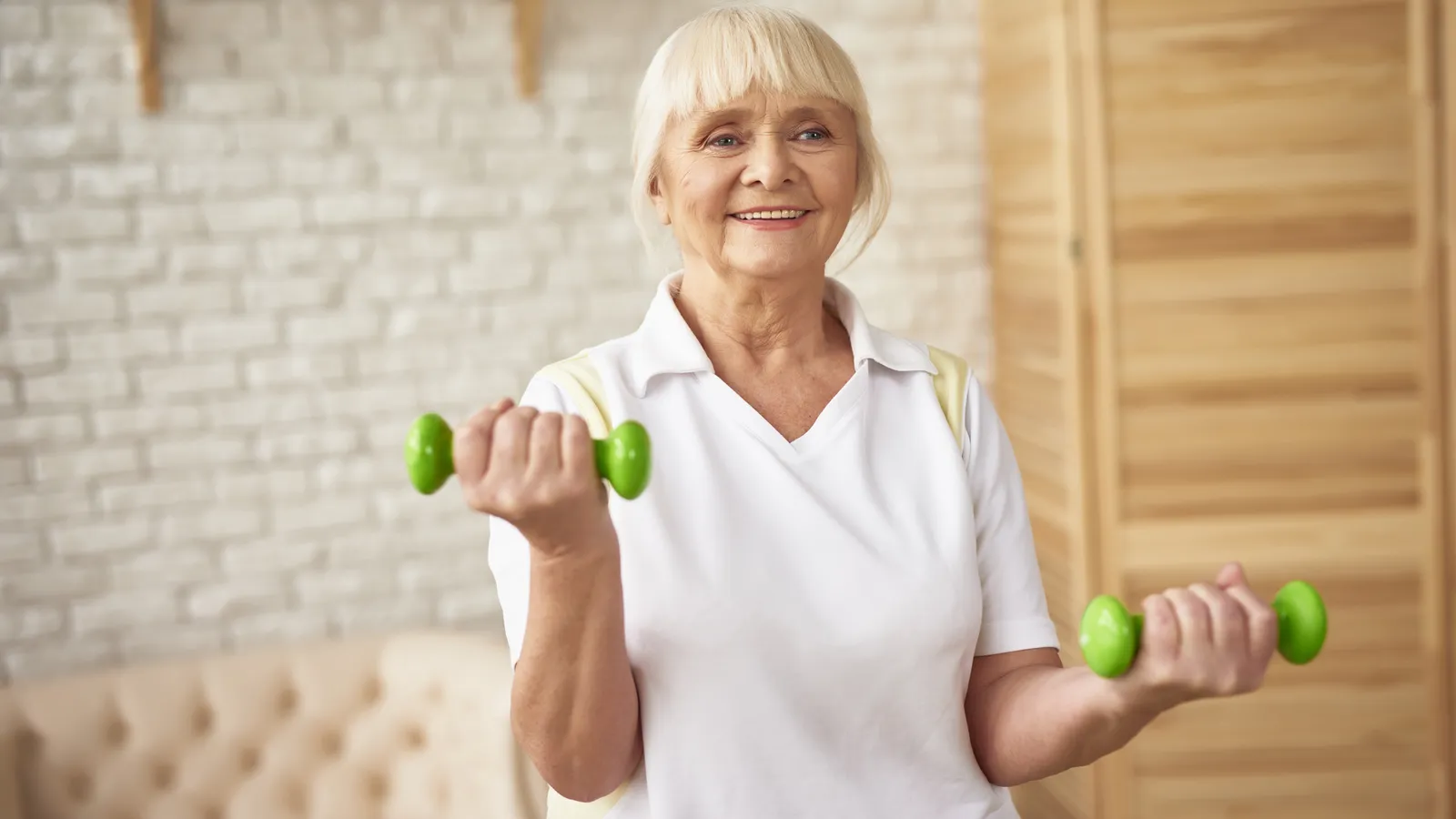
For decades, resistance training belonged to a subculture. The trend worth celebrating is its migration into general preventive health: physicians recommending it for bone density, metabolic health, fall prevention, and healthy aging, with women and older adults the fastest-growing adopters. The evidence has been there all along; the culture finally caught up. Two sessions weekly covering major movement patterns is the standard entry dose.
3. Sleep as the foundation, not the leftover
The most quietly radical trend is cultural: sleep flipping from a weakness to a performance foundation. Athletes publicize their sleep routines, companies experiment with later starts, and consumer awareness of sleep's role in metabolism, mood, and cognition keeps rising. The risk inside the trend is orthosomnia, anxiety about sleep data from trackers. The practice that matters is older than any gadget: consistent timing, dark cool rooms, and enough hours.
4. Slow breathing, minus the mysticism
Breathwork spans a spectrum from solid physiology to pure theater. The solid end: slow, extended-exhale breathing reliably activates the parasympathetic nervous system, lowering heart rate and subjective stress within minutes. It is a legitimate acute tool for pre-meeting nerves, post-conflict recovery, and falling asleep. The theatrical end promises trauma cures and immune transformation; let that end keep walking. Five minutes of slow nasal breathing with long exhales is the evidence-aligned dose.
5. Social fitness
The newest framing on this list sits on the oldest data: people with strong social ties live longer, healthier lives, with effect sizes rivaling classic risk factors. The trend is treating connection as a behavior to schedule and train, like cardio: standing calls with friends, clubs, volunteering, shared meals. It sounds unromantic. So does flossing. Both work.
Honorable mentions and warning labels
- Cold exposure: real alertness and mood effects; longevity claims unproven. Enjoyable, optional.
- Continuous glucose monitors for non-diabetics: interesting data, unclear benefit, real cost. Watch this space.
- Supplement stacks: the more ingredients and promises, the worse the evidence usually is. Test before supplementing.
The bottom line
The trends that survive scrutiny share a profile: cheap or free, mechanistically plausible, and boring at their core. Morning light, lifting, sleep, slow breathing, and friendship will not sell magazines forever, but they will likely still be standard advice in twenty years, which is the only trend status that matters.
Frequently asked questions
- How do I evaluate a new wellness trend?
- Ask three questions. Who profits if I believe this? Is there a plausible mechanism, or only testimonials? Has it been tested against doing nothing? Trends that survive all three are rare, which is itself informative.
- Are cold plunges worth it?
- Evidence supports feeling alert and a mood bump afterward, which is a legitimate benefit. Claims about immunity, fat loss, and longevity outrun the data considerably. Treat it as an enjoyable practice, not medicine.
- What is social fitness?
- The deliberate maintenance of relationships as a health practice: scheduled contact, shared activities, and investment in community. The framing is new; the underlying evidence connecting social ties to health outcomes is decades old and robust.
Sources
- Physical Activity Basics (Centers for Disease Control and Prevention)
- Healthy Sleep (National Heart, Lung, and Blood Institute)
- Healthy Living (American Heart Association)
This article is for informational purposes only and is not a substitute for professional medical advice, diagnosis, or treatment. Always seek the advice of your physician or another qualified health provider with any questions you may have. Read our full medical disclaimer.
Comments (0)
- Be the first to comment.