
Why Consistency Matters More Than Perfection
The all-or-nothing mindset is the most reliable way to end up with nothing.
Every January, gyms fill with people executing flawless programs, perfect macros, six training days, supplements alphabetized. By March, most are gone. Meanwhile, somewhere in the same gym is a person who has shown up three unremarkable days a week for nine years. Guess which one is healthier. Guess which one found it easier.
Biology votes for repetition
Nearly every system you might want to improve adapts to repeated signals over time, not to intensity in bursts. Muscle, cardiovascular fitness, sleep regulation, blood sugar control, even mood, all respond to what you do most days for a long time. A brutal week of training followed by three weeks off doesn't average out to moderate training; physiologically, it's closer to nothing, with soreness. Consistency isn't the boring alternative to results. It's the mechanism of results.
The perfection trap
Psychologists have a name for what perfection does to follow-through: the abstinence-violation effect, or more memorably, the what-the-hell effect. When the standard is flawless, one missed workout or unplanned dessert doesn't register as a data point, it registers as failure, and failure triggers abandonment. The diet isn't dented; it's "ruined," so what the hell. All-or-nothing thinking reliably produces the nothing.
Engineering 'good enough'
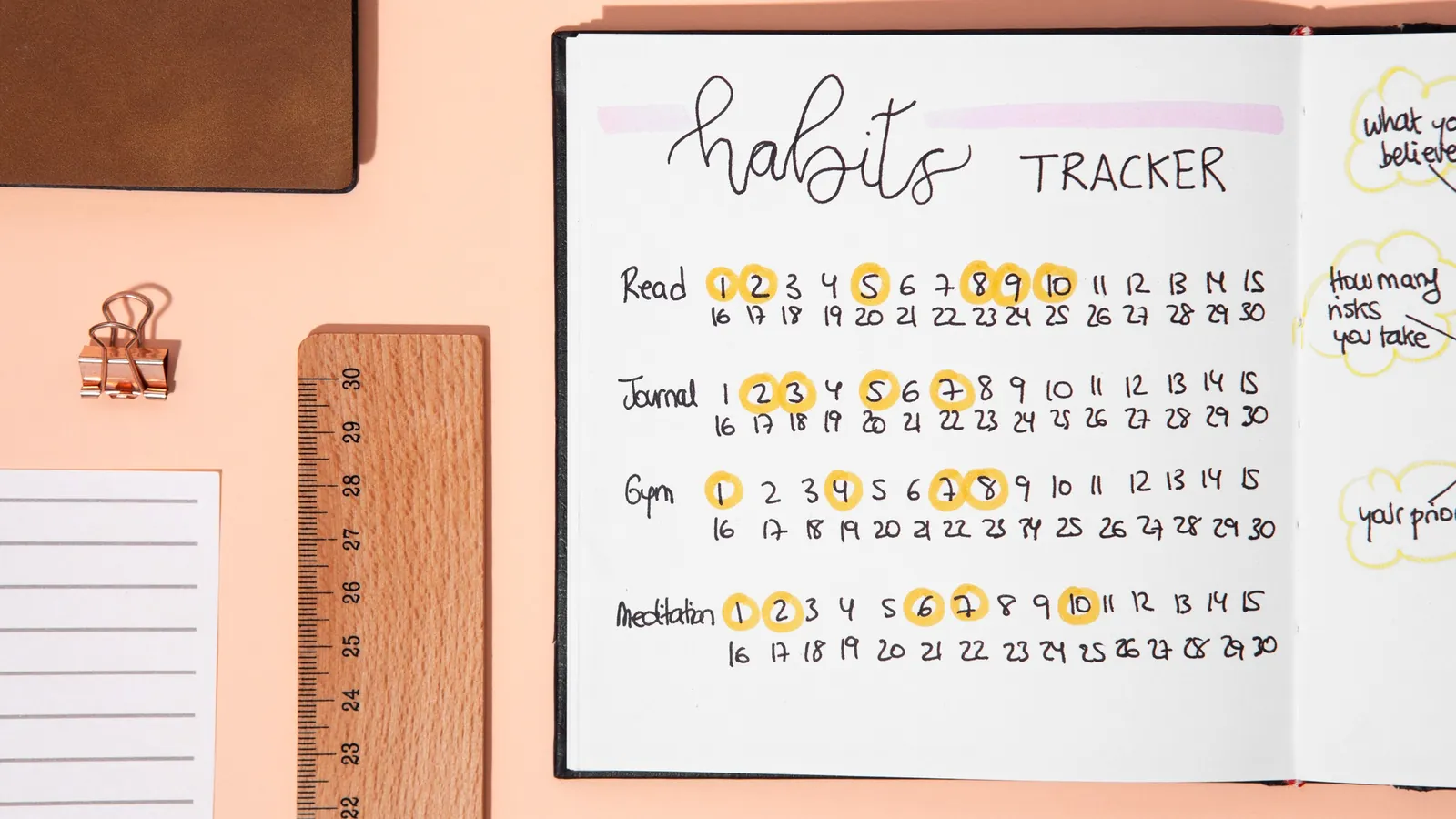
The durable alternative is deliberately sub-maximal. Set the standard at the 80% version you can sustain through busy seasons: three workouts, not six; mostly-good meals, not macros to the gram. Define the minimum viable day in advance, ten minutes counts, so bad weeks bend the practice instead of breaking it. And adopt the one rule with real protective power: never miss twice in a row. A miss is a data point; two starts a trend; the rule keeps trends short.
The long view
Perfection is a sprint mindset applied to a marathon problem. Health isn't won in a flawless week, it's accumulated across thousands of ordinary, slightly imperfect days. Lower the bar, and then refuse to stop clearing it.
Sources
- Making lifestyle changes that last (American Psychological Association)
This article is for informational purposes only and is not a substitute for professional medical advice, diagnosis, or treatment. Always seek the advice of your physician or another qualified health provider with any questions you may have. Read our full medical disclaimer.
Comments (0)
- Be the first to comment.