The Relationship Between Food and Focus
Your brain runs on what you feed it, on a timescale of hours, not just decades.
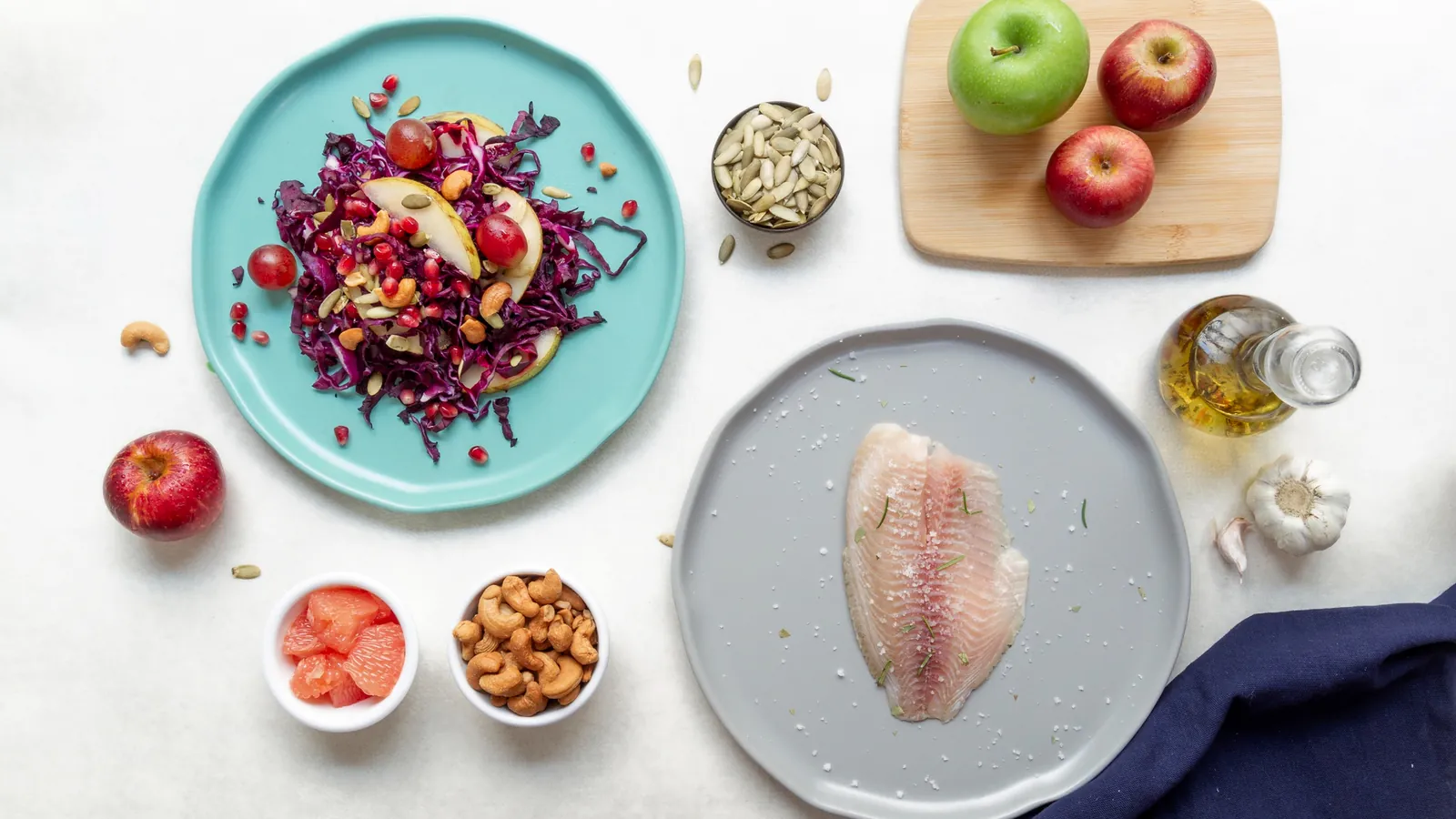
We usually talk about nutrition in decades, heart health, longevity, aging. But your brain also responds to food on the timescale of a single workday. The difference between a locked-in afternoon and a foggy one is often decided at lunch.
Glucose: the brain's twitchy fuel line
The brain is roughly 2% of body weight and burns around 20% of daily energy, almost entirely as glucose, and it holds nearly no reserves. It is exquisitely sensitive to supply swings. Refined-carb meals send glucose up fast and down faster, and that downswing reads, in testing, as poorer attention, slower reactions, and grumpier mood. Steadiness is the goal: meals where carbs arrive with fiber, protein, and fat enter the bloodstream as a drip rather than a firehose.
Size and composition of the focus lunch
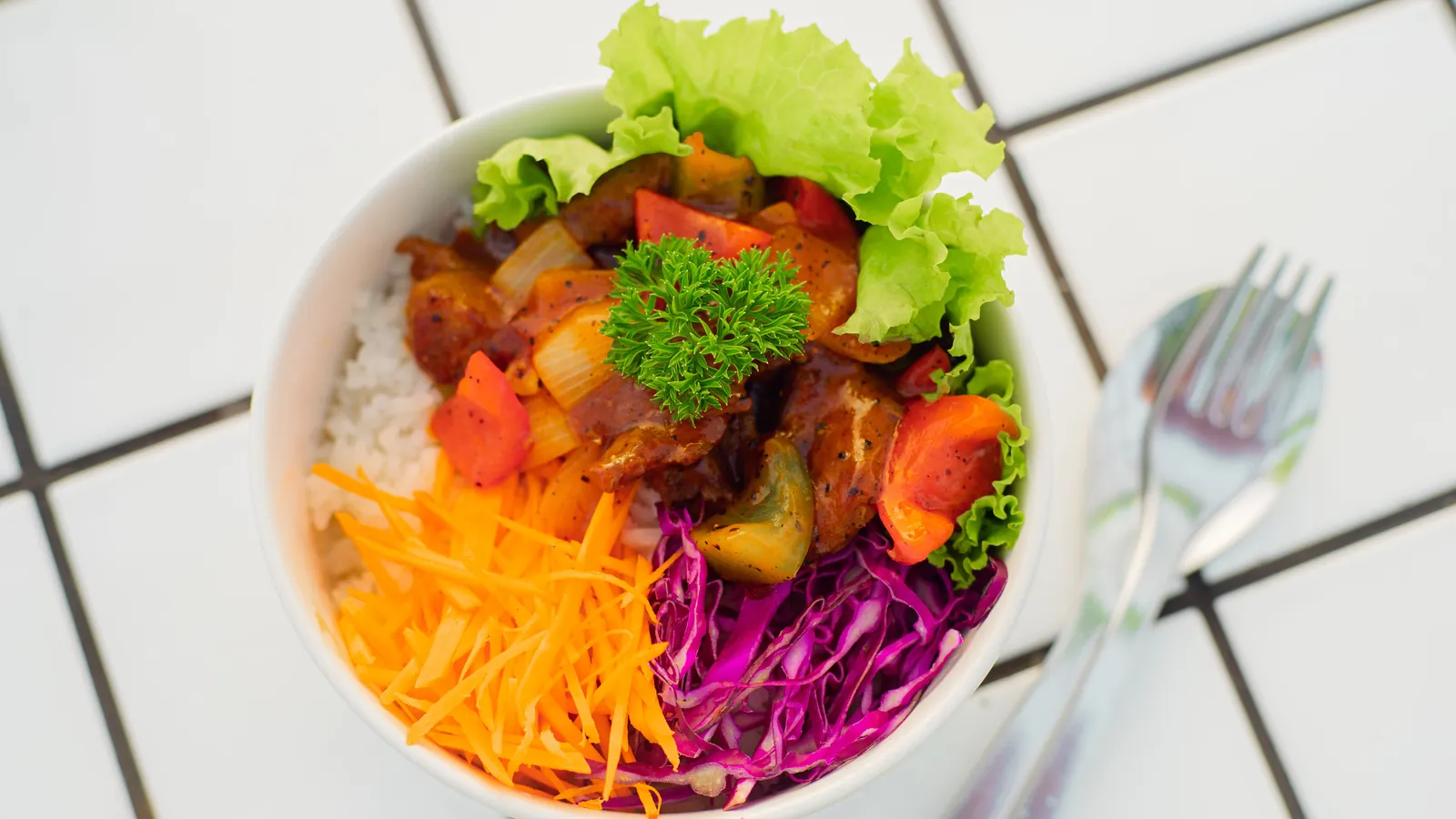
Two levers dominate the post-lunch hours. Size: large meals divert blood to digestion and deepen the natural circadian dip, the food coma is real physiology. Composition: the sustaining template is protein plus vegetables plus modest whole-food carbs; the sedating one is large, white-carb, and sugary. A chicken-grain bowl and a giant pasta plate are different afternoons.
Caffeine, used like a tool
Caffeine genuinely improves alertness and attention for most adults, among the best-replicated findings in nutrition science. The catch is its half-life of five-plus hours: the 3 p.m. rescue cup is still on duty at bedtime, quietly shaving deep sleep and setting up tomorrow's fatigue. Use it early and moderately; pair it with food if you're jitter-prone.
The skipped-meal false economy
Powering through lunch feels productive until the bill arrives mid-afternoon: rising distractibility, falling patience, and a vending-machine decision made by a glucose-starved brain. If you like fasting windows, fine, but place them so deep-focus hours land when you're fed and steady. And keep water nearby: mild dehydration alone measurably dulls concentration. The sharpest professionals don't eat perfectly; they eat predictably.
Sources
- Carbohydrates and Blood Sugar (Harvard T.H. Chan School of Public Health)
- Water and Healthier Drinks (CDC)
This article is for informational purposes only and is not a substitute for professional medical advice, diagnosis, or treatment. Always seek the advice of your physician or another qualified health provider with any questions you may have. Read our full medical disclaimer.
Comments (0)
- Be the first to comment.