Creating a Better Sleep Environment
Your bedroom is either working for your sleep or against it. A practical, room-by-element guide to temperature, light, sound, and bedding, based on what sleep science actually supports.
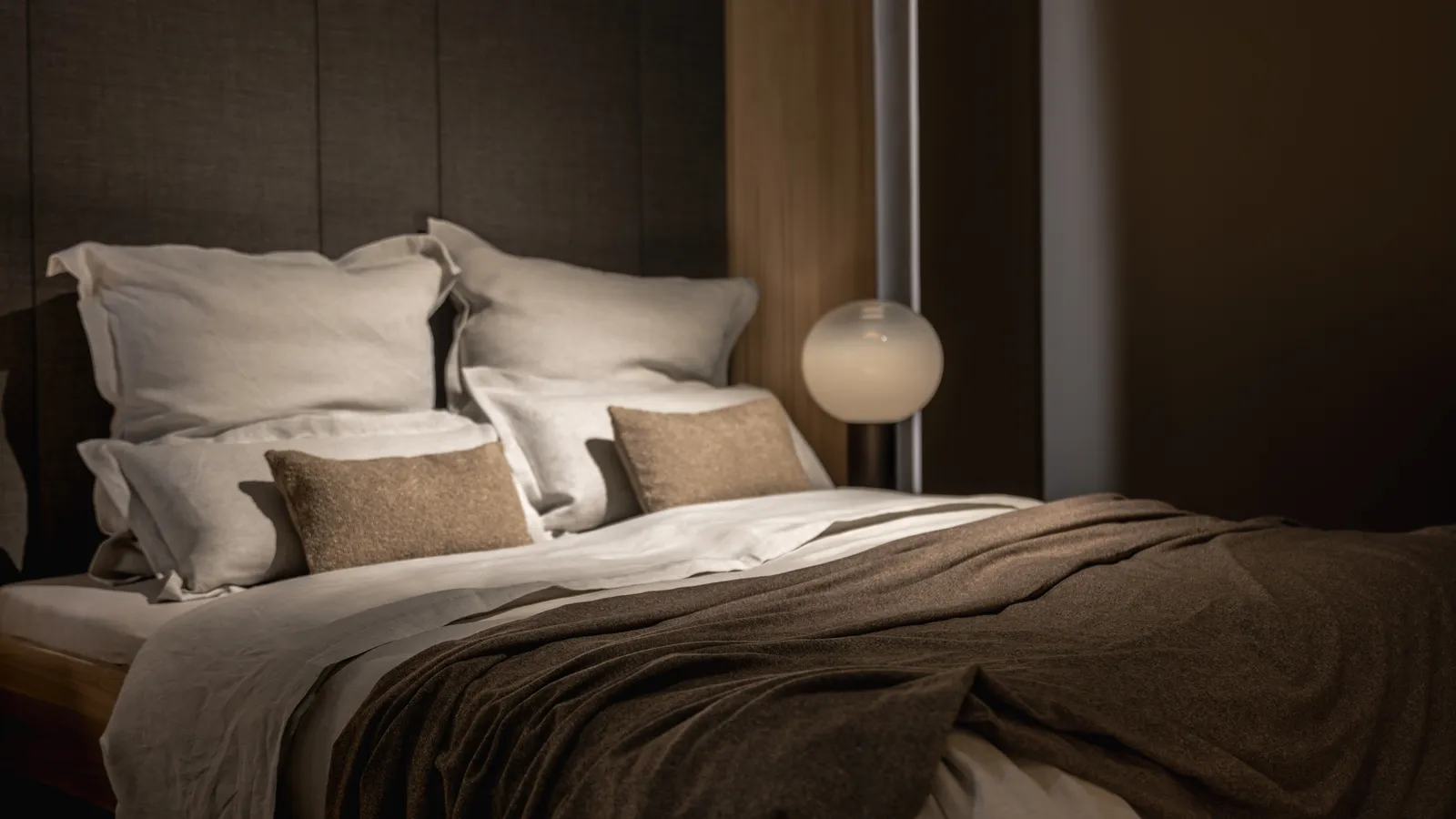
People spend hundreds of dollars on sleep supplements while sleeping in rooms that sabotage them nightly: too warm, never fully dark, punctuated by unpredictable noise. The environment is the cheapest, most reliable lever in sleep improvement, and most of it is a one-time setup rather than a nightly discipline.
Here is how to audit your bedroom, element by element, in the order that delivers the biggest returns.
Start with darkness
Light is the most powerful signal your circadian system receives. The problem is not only the lamp you turn off at bedtime; it is the streetlight through thin curtains, the charging LED, the hallway glow. Research has linked even dim light during sleep to shallower sleep architecture and next-day grogginess.
- Blackout curtains or shades are the single best upgrade for most rooms.
- Cover or remove LED indicators. A small piece of electrical tape works.
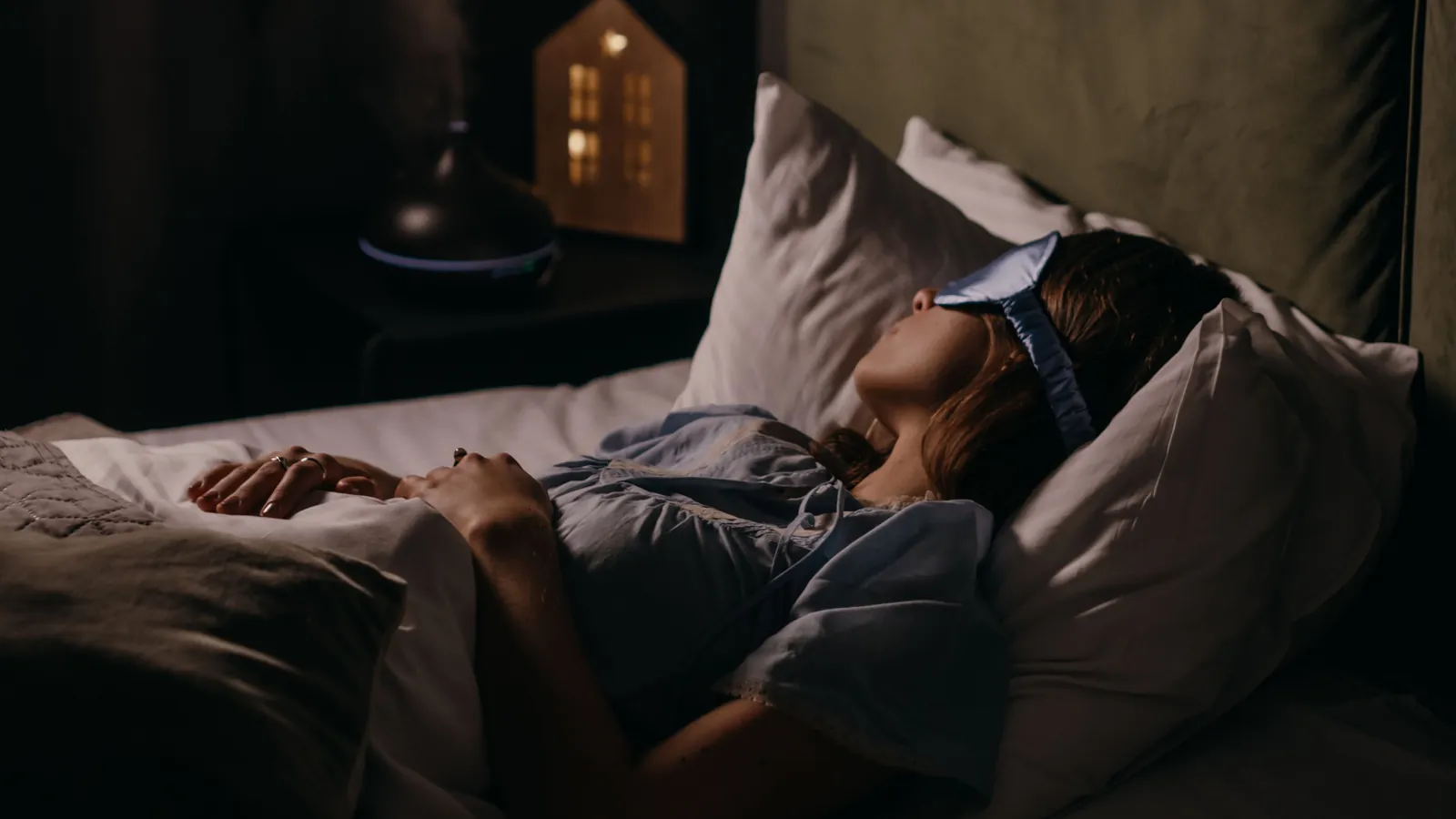
- If full darkness is impossible, a contoured sleep mask is a solid plan B.
Get the temperature right
Falling asleep requires your core body temperature to drop by about a degree. A warm room fights that descent; a cool one assists it. The sweet spot for most adults sits around 65 to 68 degrees Fahrenheit. If that feels cold at first, remember the goal: cool room, warm bed. Layered bedding lets each sleeper fine-tune without fighting over the thermostat.
Warm hands and feet actually help, because dilated blood vessels in the extremities radiate heat away from the core. Socks in bed are physiologically sound, whatever your partner says.
Tame the soundscape
The issue with noise is not volume but variability. A steady hum rarely wakes anyone; the motorcycle at 3 a.m. does. That is why constant background sound, whether a fan, an air purifier, or a white noise machine, improves sleep for many people: it raises the floor so spikes stand out less.
Keep continuous sound at a moderate level and across the room. If your environment includes truly disruptive noise, foam earplugs remain the most cost-effective fix in all of sleep science.
Make the bed a single-purpose zone
Sleep specialists call it stimulus control: the bed should cue sleep, nothing else. Answering email, watching shows, and scrolling feeds in bed teaches your brain that the mattress is a place where alert things happen. Over months, that association makes falling asleep measurably harder.
Move screens and work anywhere else, even just to a chair in the same room. If you have been awake in bed for more than about 20 minutes, get up, do something quiet in dim light, and return when drowsy. It feels counterproductive and works remarkably well.
Mattress, pillow, and air
Bedding is personal, and the science is thinner here than marketing suggests. The honest guidance: your mattress should keep your spine roughly neutral in your usual sleep position, your pillow should fill the gap between head and shoulder without tilting the neck, and anything causing you to wake with new aches has earned replacement. Beyond that, ventilation matters more than thread count. A stuffy room concentrates carbon dioxide, and cracking a door or window improves air quality at zero cost.
The bottom line
Work through the upgrades in order of impact: total darkness, then a cool room, then steady sound, then the bed itself. Most of this list is set once and forgotten, which makes the bedroom the rare health intervention that does not depend on nightly willpower. Set the stage properly and let biology do the rest.
Frequently asked questions
- What is the best temperature for sleep?
- Most research points to a bedroom around 65 to 68 degrees Fahrenheit (18 to 20 Celsius) for adults. Slightly cooler is usually better than slightly warmer, because your core temperature needs to drop to initiate deep sleep.
- Do I need blackout curtains?
- If any outside light reaches your eyes during the night, they are one of the best value sleep purchases available. Studies link even modest light exposure during sleep to lighter, more fragmented rest.
- Is white noise safe to use every night?
- Yes, at reasonable volume. Keep it under about 50 decibels, roughly the level of a quiet conversation, and position the source across the room rather than next to your head.
Sources
- Bedroom Environment (Sleep Foundation)
- Healthy Sleep Habits (National Heart, Lung, and Blood Institute)
- About Sleep (Centers for Disease Control and Prevention)
This article is for informational purposes only and is not a substitute for professional medical advice, diagnosis, or treatment. Always seek the advice of your physician or another qualified health provider with any questions you may have. Read our full medical disclaimer.
Comments (0)
- Be the first to comment.