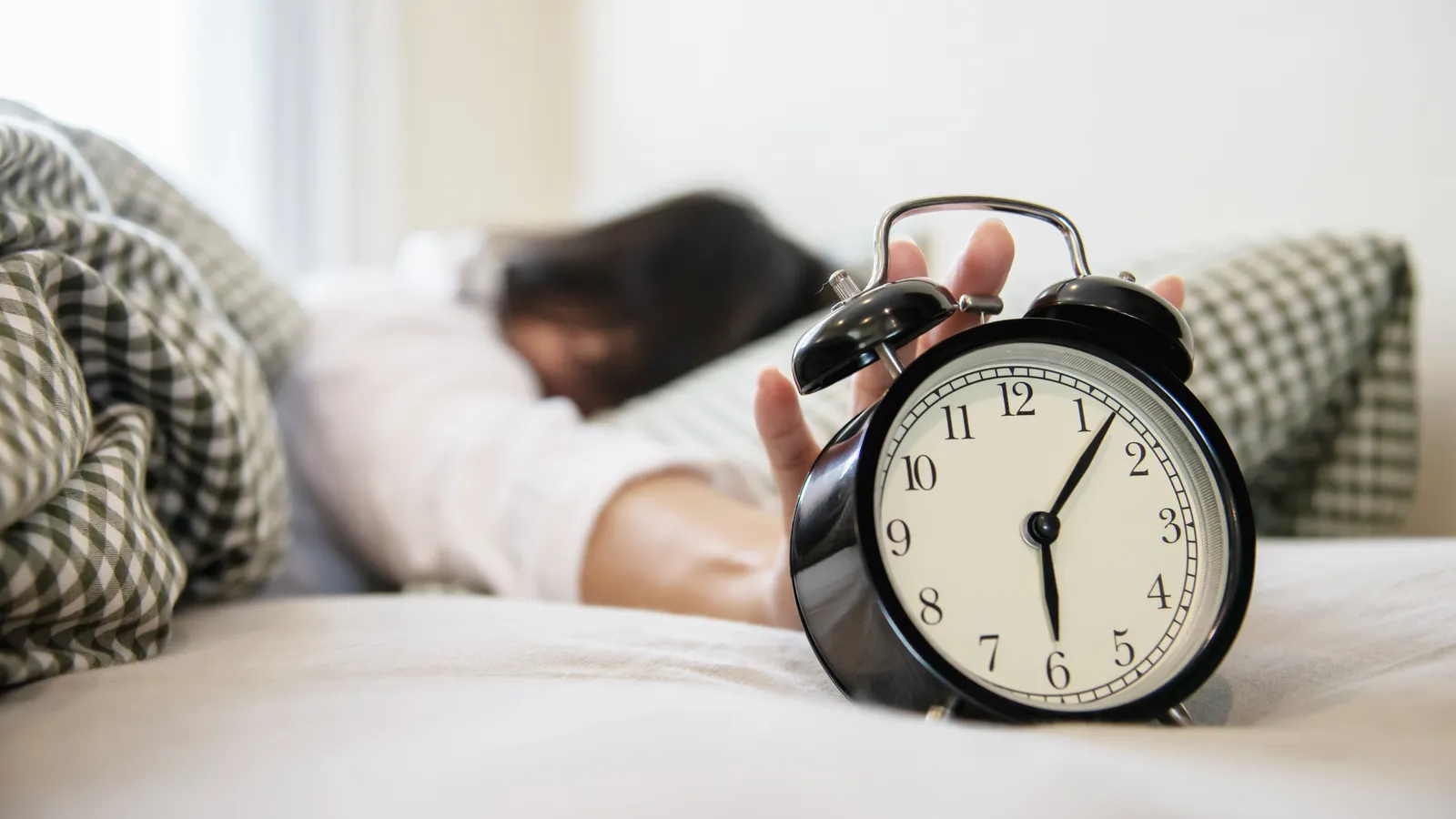
Travel Fatigue: What Causes It and What Helps
It's not just jet lag, travel taxes the body in at least four distinct ways. Here's the playbook.
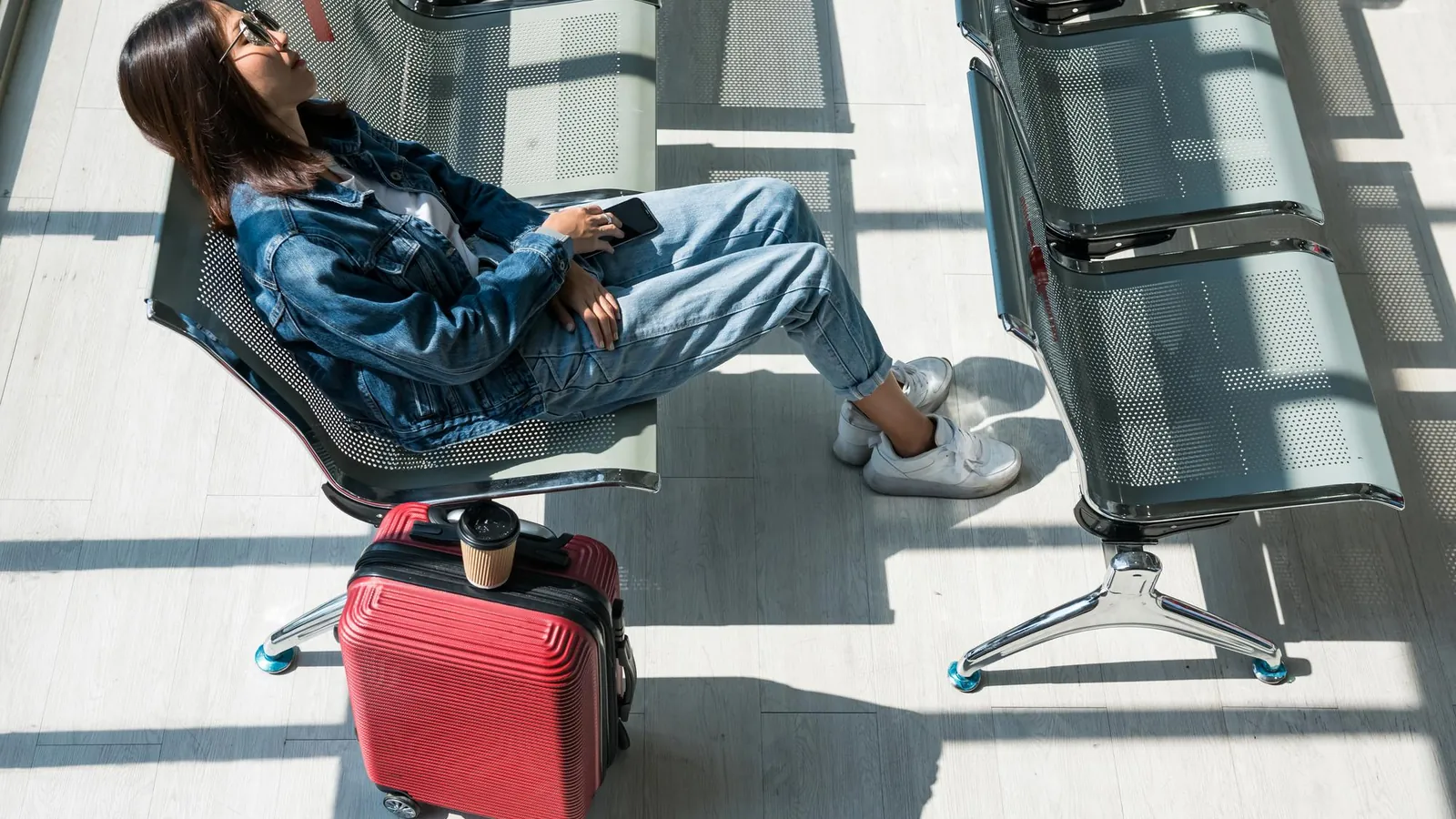
You don't need to cross an ocean to arrive wrecked. Even a two-hour domestic hop can produce the familiar syndrome, heavy head, fitful first night, a day lost to fog. That's because "travel fatigue" is really several problems wearing one trench coat, and only one of them is jet lag.
The four taxes of travel
Dehydration: cabin air is desert-dry, and most travelers drink less than usual while flying, a reliable recipe for headache and fatigue before you've landed. Routine disruption: meals at odd hours, no movement, airport food, compressed sleep the night before an early flight, each small, together substantial. The first-night effect: sleep research shows one brain hemisphere literally sleeps lighter in unfamiliar surroundings, a built-in night-watch that makes hotel night one objectively worse. Circadian misalignment: the true jet lag component, kicking in meaningfully when you cross two or more time zones and your internal clock disagrees with local time about everything from alertness to digestion.
The flight-day basics
Hydrate deliberately, water before, during (roughly a cup per hour aloft), after; go easy on alcohol and coffee, which compound the dryness. Move on long flights: aisle walks and calf raises aren't just clot prevention, they're arrival energy. Eat lightly; heavy airport-and-airplane meals on a disrupted gut are a known regret.
Beating the clock component
For multi-zone trips, light timing is the heavyweight tool. Eastbound (advancing your clock): seek bright morning light at the destination, avoid late-evening light. Westbound: the reverse, embrace evening light. Begin shifting sleep 30–60 minutes toward destination time a few days pre-departure. Low-dose melatonin (0.5 mg near destination bedtime) has decent evidence for eastbound adjustment. And on arrival, sync immediately: local meal times, daylight exposure, no surrender naps beyond 25 minutes.
The arrival protocol
First 24 hours: hydrate, get outside in daylight, eat on local schedule, take a short walk, keep the first evening unambitious, and protect a full night at local time. Travel will always cost something, but the difference between a planned arrival and an improvised one is usually a full functional day.
Sources
- Jet Lag (CDC Yellow Book)
- Circadian Rhythms (NIGMS/NIH)
This article is for informational purposes only and is not a substitute for professional medical advice, diagnosis, or treatment. Always seek the advice of your physician or another qualified health provider with any questions you may have. Read our full medical disclaimer.
Comments (0)
- Be the first to comment.