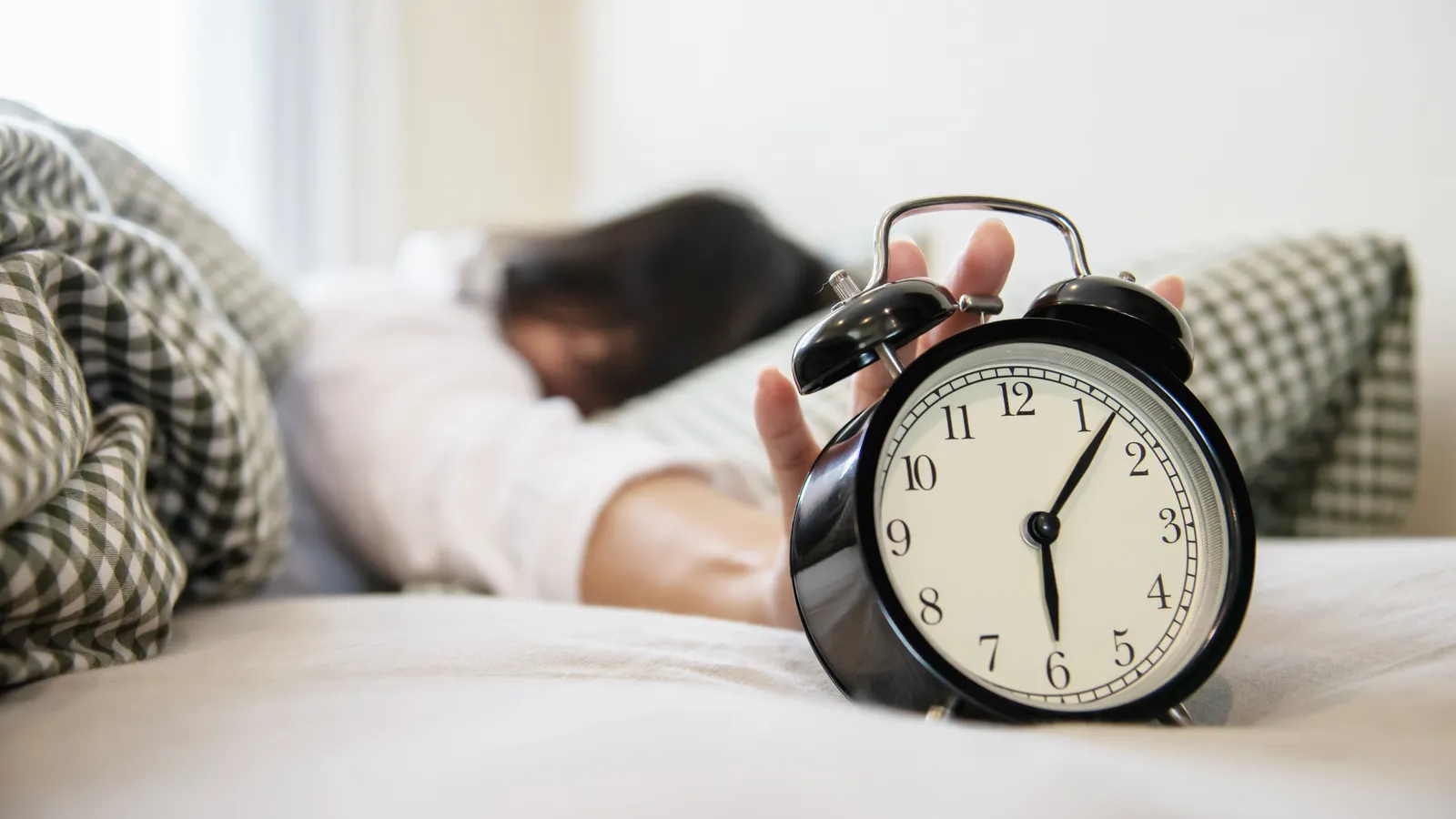
Why Quality Sleep Matters More Than Quantity
Eight broken hours can leave you worse off than seven solid ones. Here's why continuity is king.

Two people sleep eight hours. One wakes restored; the other surfaces groggy and spends the day negotiating with caffeine. The difference usually isn't duration, it's what happened inside those hours. Sleep isn't a tank you fill; it's a structured performance with acts that have to run in order.
The architecture of a good night
Sleep cycles through stages roughly every 90 minutes: light sleep, deep slow-wave sleep, and REM. Deep sleep, concentrated in the night's first half, handles physical restoration: tissue repair, immune housekeeping, growth hormone release. REM, dominant toward morning, consolidates memory and processes emotion. A restorative night needs full, uninterrupted passes through both. Fragmentation is expensive precisely because every awakening resets your position in the cycle: you can spend eight hours in bed collecting mostly light sleep, like watching the first ten minutes of a movie eight times.
The great fragmenters
Three offenders cause most quality problems. Alcohol sedates you into sleep, then disrupts the back half of the night, suppressing REM exactly when it should peak. Late caffeine doesn't just delay sleep, it lightens it, trimming deep sleep even when you nod off fine. Irregular timing keeps your circadian system perpetually mispredicting, so the architecture never settles into rhythm. Add untreated sleep apnea, fragmentation by the hundred, often invisible to the sleeper, and you have the major suspects.
Gauging your own quality
Skip the wearable score anxiety. The honest gauges are subjective and free: Do you wake mostly without the alarm's third snooze? Is mid-morning energy decent without heroic caffeine? Do you crash hard every single afternoon? Quality sleep shows up in the day it precedes.
Upgrading the night
Protect the architecture and quality follows: consistent sleep-wake times (the rhythm's anchor), alcohol away from bedtime, caffeine before noon, a cool dark room, and a wind-down buffer that lets arousal descend before lights-out. If you're consistent for three weeks and still waking unrestored, especially with snoring or gasping, that's a conversation for a doctor, because no hygiene fixes apnea.
Sources
- How Sleep Works (NHLBI)
- Sleep and Sleep Disorders (CDC)
This article is for informational purposes only and is not a substitute for professional medical advice, diagnosis, or treatment. Always seek the advice of your physician or another qualified health provider with any questions you may have. Read our full medical disclaimer.
Comments (0)
- Be the first to comment.