The Wind-Down Routine: Engineering Better Nights
You cannot command sleep, but you can engineer the descent into it. How to build a 30 to 60 minute wind-down routine that works with your biology instead of against it.

Modern evenings end with a hard cut: bright rooms, glowing screens, and active minds until the moment the light switches off, followed by surprise that sleep does not arrive on command. Sleep does not work that way. It is a physiological descent: melatonin rising, core temperature falling, arousal systems standing down, and the descent needs a runway. Building that runway is one of the most reliable upgrades in all of sleep behavior, and it takes engineering, not willpower.
The principles behind the routine
Three systems need to move in the right direction during your last hour. Light: melatonin release requires dimness; bright and especially overhead light delays it. Temperature: sleep onset rides on a falling core temperature, which you can assist. Arousal: mental and emotional activation must drop, which means the hour cannot contain work email, arguments, news rabbit holes, or anything else that spikes the stress system. Every effective wind-down routine is just these three principles wearing different clothes.
A blueprint to adapt
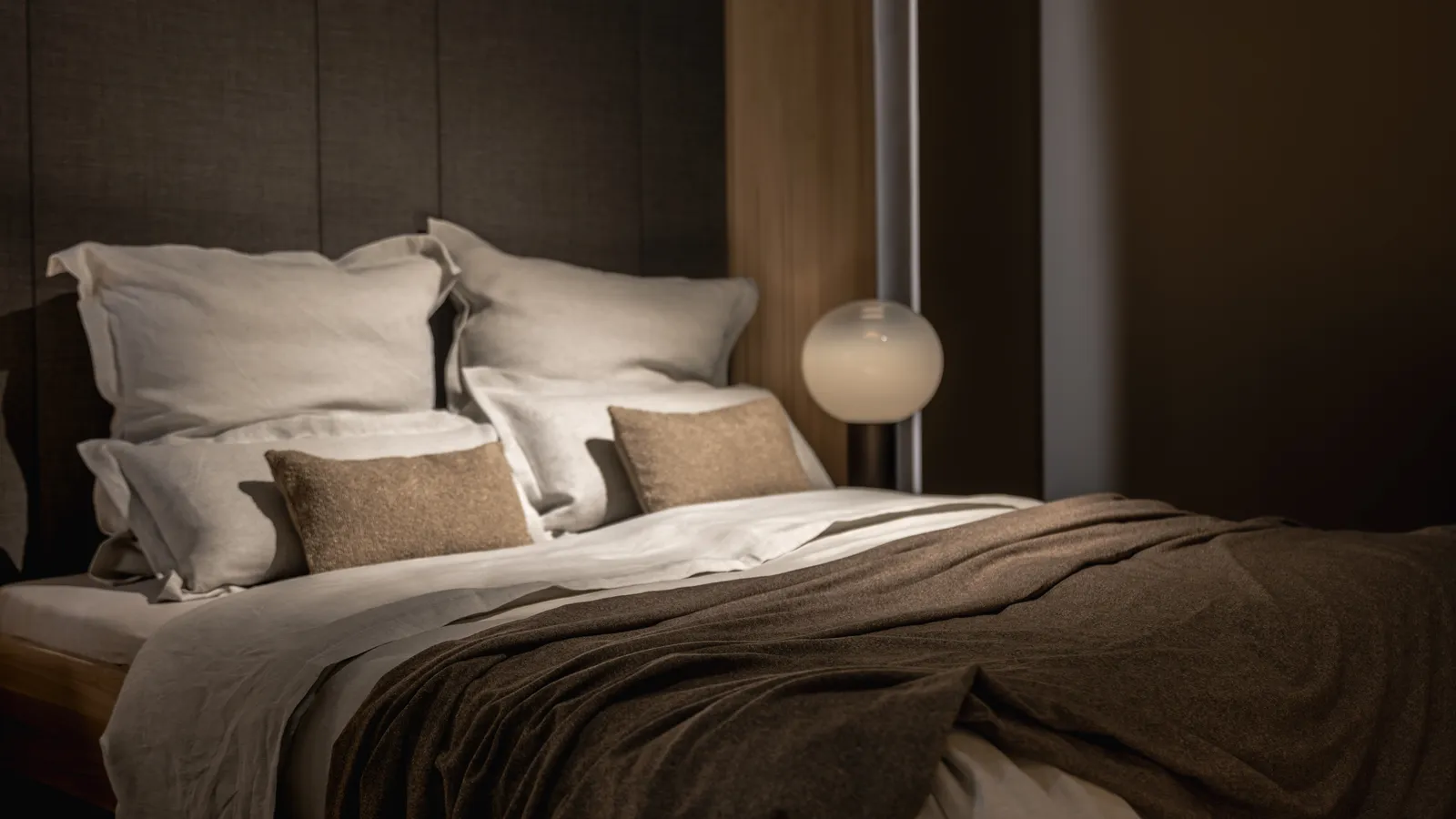
T minus 60: lights down, screens decided. Switch from overhead lights to lamps, warm and low. Decide what happens with screens: the strongest version parks the phone on a charger outside the bedroom now. A workable compromise: no work apps, no feeds, nothing with stakes; passive, calm content on a distant screen is far less disruptive than scrolling at arm's length.
T minus 60 to 45: close the day on paper. Two lists, five minutes: what is on your mind, and what tomorrow's top three are. This is the single best counter to bedtime rumination, and the research behind writing down open loops backs what insomniacs discover by accident: parked thoughts stop circling.
T minus 45 to 20: the warm shower trick. A warm shower or bath 60 to 90 minutes before bed feels paradoxical and works elegantly: the warm water pulls blood to the skin, which then radiates heat away, accelerating the core temperature drop that invites sleep. Studies consistently find it shortens time to fall asleep.
T minus 20 to 0: low-stakes occupation. The final stretch wants activities that occupy the mind gently without engaging it: paper or e-ink reading of something interesting but not gripping, light stretching, quiet music, slow breathing with extended exhales, or an unhurried conversation. The test for any candidate activity: does it make time pass without making your pulse rise?
What to keep out of the hour
- Work in any form. One quick email check reactivates the entire system you spent forty minutes powering down.
- Alcohol as a sleep aid. It sedates the descent and then fragments the second half of the night, trading better-feeling onset for worse-being sleep.
- Heavy food. Digestion and sleep compete; finish substantial eating two to three hours out.
- Clock-watching. Turn the clock away. Arithmetic about remaining hours is arousal in costume.
Conditioning: the compounding effect
The underrated property of a consistent routine is that it becomes a conditioned cue. After a few weeks of the same sequence, the sequence itself starts triggering drowsiness, the way a consistent gym time eventually generates pre-workout readiness. This is also why consistency beats perfection: a 70 percent version performed nightly outperforms a flawless version performed occasionally. Travel tip: the routine is portable, and running even a compressed version in a hotel room imports your sleep cues into a strange environment.
The bottom line
Engineer the last hour and the night mostly takes care of itself: lights low, day closed out on paper, a warm shower that cools you, twenty minutes of something pleasantly dull, and the phone somewhere else. Run the sequence nightly until it runs you, which is the point: descent on rails, every night, no willpower required at the exact hour you have the least of it.
Frequently asked questions
- How long should a wind-down routine be?
- Thirty to sixty minutes covers most people. Shorter than twenty rarely shifts arousal much; longer than ninety becomes hard to sustain. The consistency of the sequence matters more than its exact length.
- Does reading in bed count as winding down?
- Paper or e-ink reading of non-gripping material works well for many people, ideally in a chair rather than bed if you struggle with insomnia, to keep the bed itself associated purely with sleep.
- What if my mind races the moment I lie down?
- Move the racing earlier: a scheduled 10-minute worry-and-plan session on paper in the early evening reliably reduces bedtime rumination. If thoughts still spin in bed beyond 20 minutes, get up, sit in dim light, and return when drowsy.
Sources
- Healthy Sleep (National Heart, Lung, and Blood Institute)
- How Sleep Works (Sleep Foundation)
- About Sleep (Centers for Disease Control and Prevention)
This article is for informational purposes only and is not a substitute for professional medical advice, diagnosis, or treatment. Always seek the advice of your physician or another qualified health provider with any questions you may have. Read our full medical disclaimer.
Comments (0)
- Be the first to comment.