Recovery Strategies for Active Adults
Past 35, recovery isn't optional programming, it is the program. A coach's hierarchy of what works.

In my twenties I could train hard six days a week, sleep five hours, and call a protein shake a recovery plan. Coaching adults in their 40s, 50s, and 60s, and being one, taught me the real rule: as training age and chronological age rise, recovery stops being the thing between workouts and becomes the thing that decides whether workouts work.
What changes with age
Muscle protein synthesis responds less briskly to training and protein (researchers call it anabolic resistance), connective tissue adapts more slowly than muscle, and life adds its own load, careers, caregiving, shorter sleep. The practical translation: the same session that cost you 24 hours at 25 may cost 48 at 50. That's not a stop sign. It's a programming instruction.
Tier one: the non-negotiables
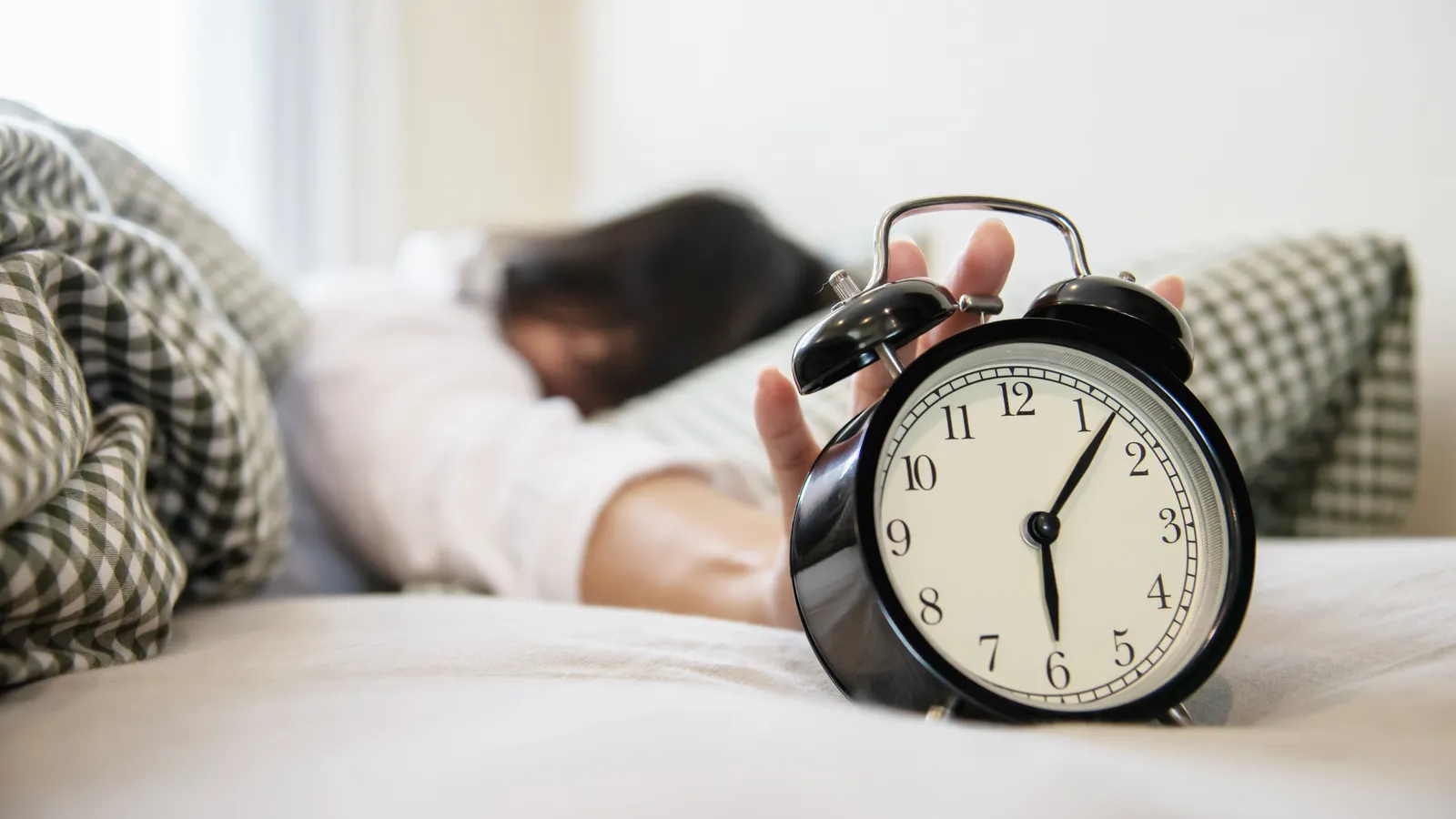
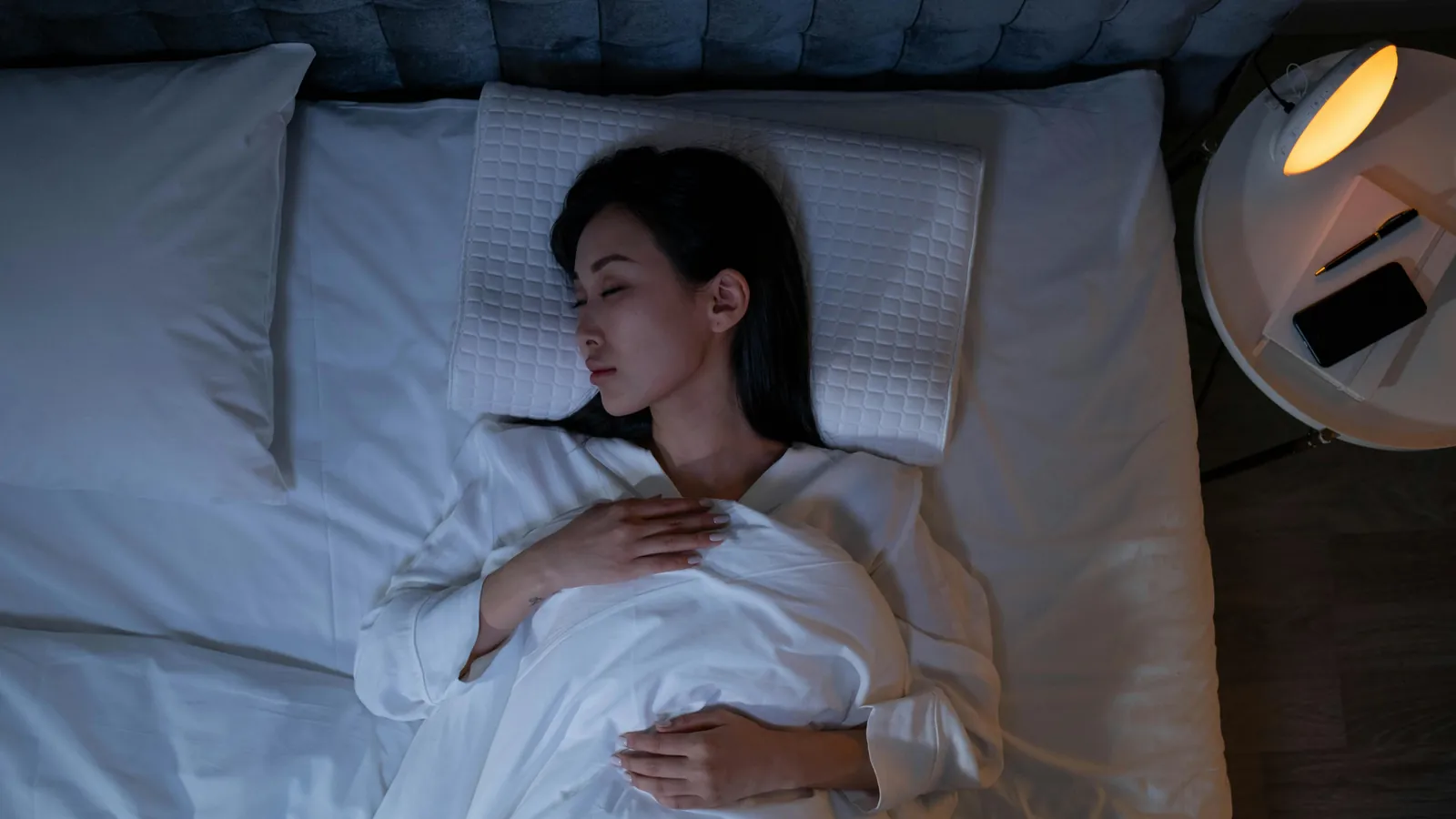
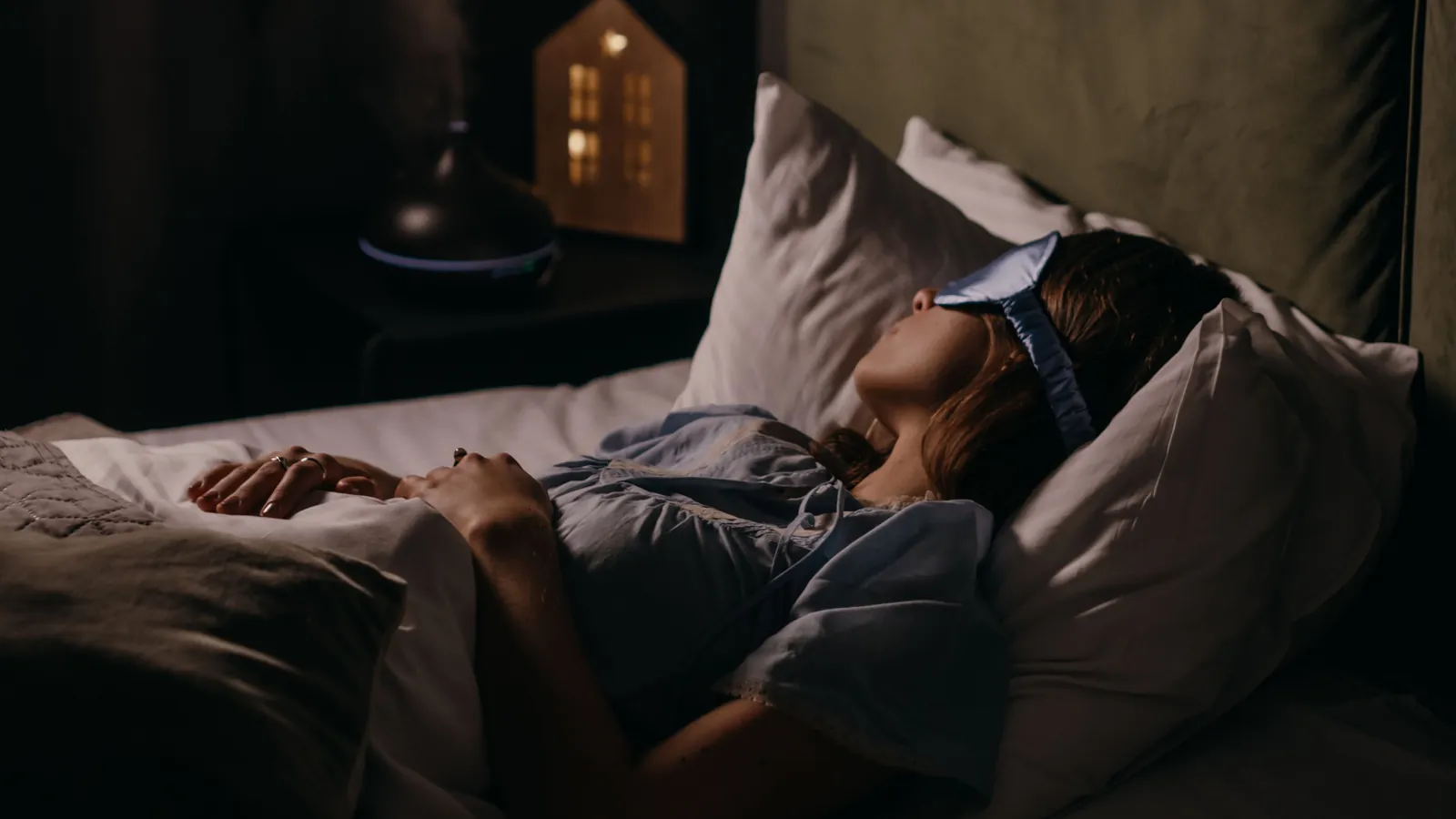
Sleep is where adaptation happens, growth hormone pulses, tissue repair, motor learning consolidation. Chronic short sleep measurably blunts strength gains and raises injury risk; no tool on the market buys back a 6-hour habit. Protein is the raw material: for active older adults, evidence supports roughly 1.2–2.0 g per kg of body weight daily, distributed across meals, not one heroic dinner. Get these two right and you've captured most of what recovery science has to offer.
Tier two: movement and management
Active recovery, easy walking, cycling, swimming, mobility work on off days, consistently beats couch rest for clearing soreness and maintaining readiness; blood flow is the mechanism and gentleness is the dose. Deloads, a planned easier week every 4–8 weeks of hard training, let accumulated fatigue drain before it becomes the unplanned month off. Older athletes typically need them more often, not less.
Tier three: the gadget drawer
Massage guns, cold plunges, compression boots, saunas, the evidence ranges from modest to mostly-placebo, with sauna holding the most interesting data. None are harmful used sensibly; none rescue bad sleep. Buy them for enjoyment, not salvation. The unglamorous truth of masters recovery: eight hours, enough protein, easy movement, and the discipline to back off on schedule beat every device in the catalog.
Sources
This article is for informational purposes only and is not a substitute for professional medical advice, diagnosis, or treatment. Always seek the advice of your physician or another qualified health provider with any questions you may have. Read our full medical disclaimer.
Comments (0)
- Be the first to comment.